

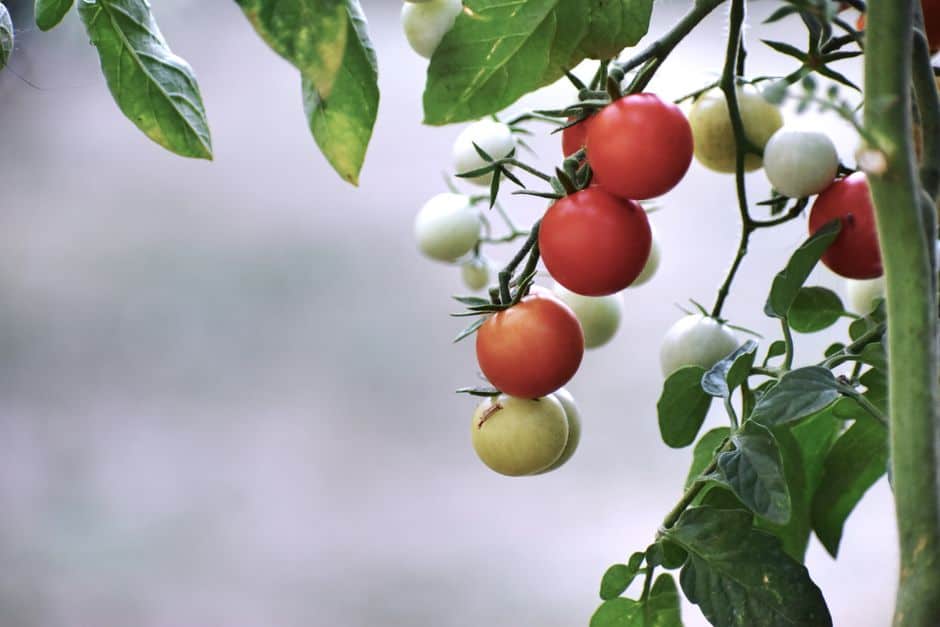
Why Your Tomato Plants Have Blossom End Rot is a question I get almost every summer from fellow Florida gardeners. You spot a gorgeous tomato getting plump and red, then you flip it over and find a sunken, leathery black spot on the bottom. It’s so frustrating, and I’ve been right there with you. Why Your Tomato Plants Have Blossom End Rot is a popular choice for gardeners.
Here’s the good news. Blossom end rot isn’t a disease, and it isn’t contagious. It won’t spread from plant to plant, and you can fix it. Once you understand what’s going on, you’ll know exactly how to keep your tomatoes healthy for the rest of the season.
Why Your Tomato Plants Have Blossom End Rot: The Calcium Story
Blossom end rot happens when the fruit doesn’t get enough calcium while it’s growing. Calcium builds strong cell walls in the tomato, and without it, the tissue at the blossom end (the bottom of the fruit) breaks down. That’s the dark, sunken patch you see.
Here’s the part that surprised me when I first learned it. Most of the time your soil actually has plenty of calcium. The real problem is that the plant can’t move it up to the fruit fast enough.
Calcium travels through the plant with water, so anything that interrupts your water flow can cause trouble. Uneven watering is the number one culprit. The University of Florida’s IFAS Extension has a great rundown on this, and you can read it right here.
The first fruits of the season are usually hit hardest. They grow fast and demand a lot of calcium before the roots are fully settled in. If your first few tomatoes get rot but later ones look fine, don’t panic. That’s really common.
What Causes Blossom End Rot in Florida Gardens
Related article: How to Grow Ground Cherries (physalis Pruinosa): Complete Guide to This Unique Husk Fruit
Florida gardeners have a few extra things working against us. Our sandy soil drains super fast, so water and nutrients wash right past the roots. One day it’s bone dry, the next day we get a big afternoon thunderstorm, and the plant swings between thirsty and soaked.
I learned this the hard way my second summer of growing tomatoes. I’d water deeply on weekends and then forget about them all week. Almost every fruit on my Celebrity plants had rot, and I was so confused because I’d used good soil and fertilizer.
Too much nitrogen can also make things worse. Lots of leafy growth means the plant sends water and calcium to the leaves instead of the fruit. If your plant looks like a jungle but has few tomatoes, go easy on that high-nitrogen fertilizer.
Heat plays a role too. When temperatures climb above 90 degrees, tomatoes lose water through their leaves faster than the roots can keep up. The fruit gets shortchanged, and rot shows up.
Root damage is another sneaky cause. If you dig around your plants with a trowel or cultivate too close, you can nick the fine roots that take up water. I now keep my digging well away from the base of the plant.
How to Fix Tomato Blossom End Rot Fast
First, pick off the affected fruit. I know it hurts, but those tomatoes won’t heal, and removing them lets the plant put its energy into healthy fruit. Toss them in the trash or compost since they’re still safe for your pile.
Next, fix your watering. Tomatoes want about one to two inches of water per week, and the key is keeping it steady. I stick my finger two inches into the soil, and if it feels dry, I water deeply. A drip line or soaker hose on a timer is a game changer for this.
Mulch makes a huge difference in Florida. I spread three to four inches of pine straw or shredded leaves around my plants, and it holds moisture in that fast-draining sand. It also keeps the soil cooler during our brutal summer afternoons.
Should you add calcium? Sometimes, but it’s not a magic fix. If a soil test shows your calcium is low, working in gypsum or crushed eggshells before planting can help. You can learn more about getting your soil tested through your local extension office.
I’d skip those calcium sprays you see in garden stores. Calcium doesn’t move well from the leaves to the fruit, so the results are usually disappointing. Steady watering does way more for your plants.
Preventing Tomato Blossom End Rot Next Season
Prevention starts before you even plant. Test your soil so you know your pH and calcium levels. Tomatoes like a pH around 6.2 to 6.8, and if you’re too acidic, calcium gets harder for the roots to grab.
Container gardeners, listen up. Pots dry out even faster than sandy ground, so blossom end rot hits container tomatoes a lot. I use big pots (at least five gallons) with quality potting mix, and I check them every single morning in summer. Self-watering containers are a lifesaver if you travel.
Pick your varieties wisely, too. Long, pointed tomatoes like Roma and paste types get blossom end rot more often than round ones. If you’ve fought it every year, try smaller varieties like cherry tomatoes, which rarely have the problem. Heat-tolerant types like Heatmaster and Solar Fire also handle our weather better.
Plant at the right time to dodge the worst of the heat. In most of Florida, I start tomatoes in late winter or early spring, and again in late summer for a fall crop. Hitting that sweet spot means your plants set fruit when temperatures are friendlier.
Finally, be patient with yourself. I still get a few rotten tomatoes some summers, even after years of practice. It happens to every gardener, and it’s usually a sign to adjust your watering, not a reason to give up.
Now that you know why your tomato plants have blossom end rot, you’ve got the tools to fix it. Steady water, thick mulch, and a little attention to your soil will solve it for most gardeners. Your next round of tomatoes should come in clean and beautiful.
Keep at it, and don’t let a few spotty fruits discourage you. Understanding why your tomato plants have blossom end rot is half the battle, and you’re already ahead of where I was my first year. Happy growing, friend!
