

Treating Powdery Mildew on Squash and Zucchini Plants is one of those garden chores nearly every grower faces sooner or later. I remember the first time I spotted those chalky white spots on my zucchini leaves. I thought someone had dusted my plants with flour! Treating Powdery Mildew on Squash and Zucchini Plants is a popular choice for gardeners.
The good news is that powdery mildew looks scarier than it is. Your plants can often keep producing while you fight it, and a few simple habits can turn things around fast. Let me walk you through what I’ve learned from my own Florida garden.
Spotting the Problem Early Before It Spreads
Powdery mildew starts as small, white or grayish spots on the tops of older leaves. Those spots grow and merge until the whole leaf looks like it’s covered in talcum powder. You might also see it on stems and the undersides of leaves.
I check my squash plants every few days, and I always flip a few leaves over while I’m at it. Catching it when you only see a couple of spots makes treatment so much easier. Waiting until the whole plant is white is a mistake I made once, and I won’t make it again!
Here’s something that surprises a lot of beginners. Powdery mildew doesn’t need wet leaves to spread the way most fungal diseases do. It actually likes warm days, cooler nights, shade, and crowded plants with poor airflow.
In Florida, that combo shows up a lot, especially in spring and fall when the weather swings between warm days and cooler evenings. Our humidity doesn’t help either. If you grow squash here, expect to deal with it at some point.
Don’t confuse it with normal leaf patterns. Squash leaves often have silvery marbling that is totally natural. Powdery mildew wipes off with your finger like dust, while natural marbling stays put.
My Go-To Methods for Treating Powdery Mildew on Squash and Zucchini Plants
Related article: How to Grow Ground Cherries (Physalis Pruinosa): the Complete Home Gardener’s Guide
My first move is always to remove the worst leaves. I snip off heavily affected ones with clean scissors and drop them in a trash bag, not the compost pile. Composting them can spread the spores around your garden.
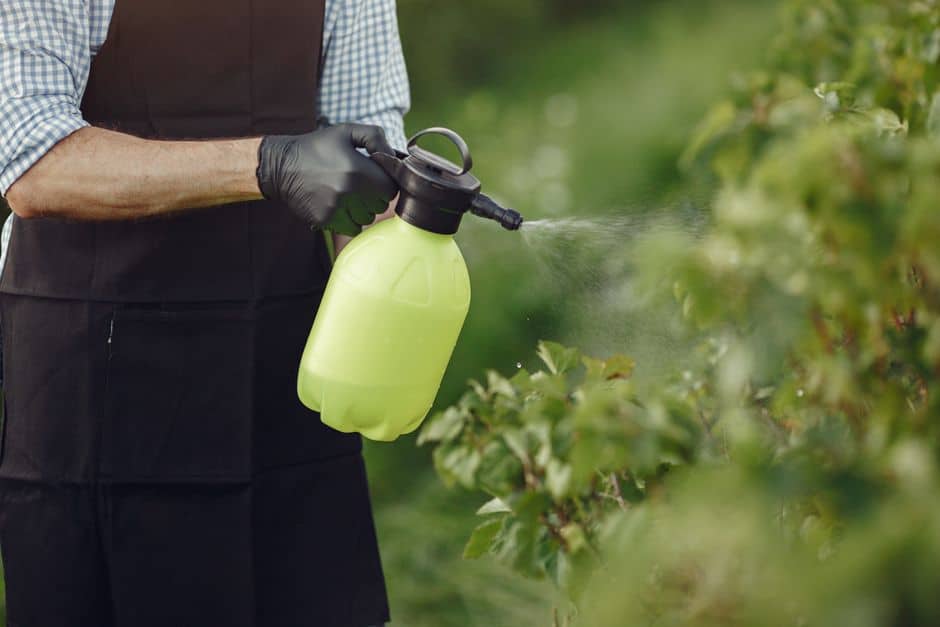
Next, I reach for a homemade spray. My favorite is a baking soda mix of one tablespoon baking soda and one teaspoon of mild liquid soap per gallon of water. The soap helps the spray stick to the leaves.
Another option I love is milk spray. Mix about one part milk with two to three parts water and spray it on in the morning sunshine. It sounds silly, but studies have shown it can work, and my plants have thanked me for it.
Neem oil is also a solid choice, and it’s what I grab when the problem is stubborn. Follow the label directions, and spray in the early morning or evening so the sun doesn’t scorch wet leaves. Test any spray on a few leaves first and wait a day to make sure your plants handle it well.
Prevention Tips That Work in Florida Gardens
Prevention beats treatment every single time. Give your squash plenty of room, because crowded plants trap moisture and block airflow. I space my zucchini about three feet apart, even though those little seedlings look lonely at first.
Sunshine is your best friend here. Squash that gets six to eight hours of direct sun is much less likely to get powdery mildew than plants stuck in shade. If a plant sits in a shady corner, it might be time to move next season’s crop.
Water at the base of the plant, not over the leaves. A soaker hose or drip line works great, and I like to water in the morning so everything dries out during the day. Wet foliage doesn’t cause powdery mildew the way it does other diseases, but dry, healthy leaves are just happier overall.
Choose resistant varieties when you can. Many seed companies label squash and zucchini as powdery mildew resistant right on the packet. The University of Florida’s Gardening Solutions site is a great place to check what grows best in our climate.
When to Call It and Start Fresh
Sometimes the plant just wins. Squash plants tend to get tired late in the season, and powdery mildew often shows up as they wind down. If your plant has produced for a couple of months and the whole thing is covered, it may be time to pull it.
I used to feel guilty about pulling plants, but now I see it as making room for the next crop. Florida’s long growing season means you can often replant. Fresh zucchini planted in a sunny, well-spaced spot will produce again before you know it.
Clean up well when you finish. Remove all the old leaves and plant debris, and don’t leave infected material sitting around the bed. If you want to dig deeper into how the disease works, the Wikipedia page on powdery mildew is a handy overview.
Rotate your squash to a different spot each year if you have the room. It helps break the cycle of problems that build up in the soil and around the garden. Even a small shift makes a difference.
Treating Powdery Mildew on Squash and Zucchini Plants doesn’t have to ruin your harvest. A little attention, a simple homemade spray, and some good airflow go a long way. Don’t be discouraged if your plants get it, because even experienced gardeners deal with it every year.
Keep a close eye on those leaves, act early, and enjoy the zucchini bread that’s coming your way. You’ve got this, and your squash will keep rewarding you for the effort!
