

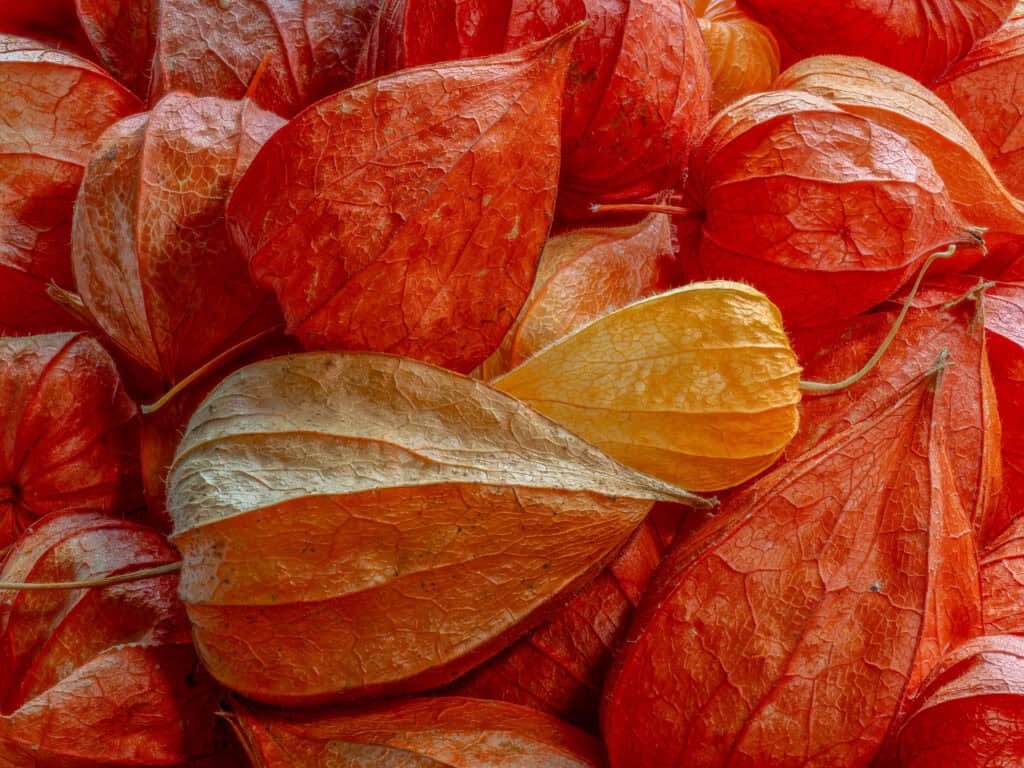
If you’ve been looking for a fun, slightly unusual fruit to add to your garden, learning how to grow ground cherries (Physalis pruinosa) – the complete home gardener’s guide you never knew you needed – is going to seriously excite you. These little gems are wrapped in a papery husk and taste like a cross between a tomato and a vanilla pineapple. Yes, really! How to Grow Ground Cherries (physalis Pruinosa): the Complete Home Gardener’s Guide is a popular choice for gardeners.
I grew my first ground cherries a few years ago after spotting them at a local farmers market, and I was completely hooked after one bite. They’re easy to grow, incredibly productive, and honestly one of the most underrated fruits in the home garden world.
How to Grow Ground Cherries (Physalis Pruinosa): Getting Started the Right Way
Ground cherries are warm-season plants, which makes them a perfect fit for Florida gardens. They love heat, they don’t mind humidity, and they thrive in our long growing season. I start mine as transplants indoors about 6-8 weeks before I plan to put them outside, usually around late January or early February here in Central Florida.
Starting from seed is pretty easy. Press the tiny seeds just barely under the surface of a seed-starting mix, keep them warm (around 70-80°F works great), and you should see sprouts popping up within 7-14 days. They germinate faster than you’d think!
Once your seedlings are a few inches tall and the nighttime temps stay above 50°F, they’re ready to go outside. Space them about 2-3 feet apart because these plants spread out more than you’d expect. I made the mistake of planting them too close together my first year and ended up with a big tangled mess!
For soil, ground cherries aren’t too picky, but they do best in well-draining, slightly acidic soil with a pH around 6.0-6.8. Work in some compost before planting and they’ll be super happy. UF/IFAS Extension has great resources on soil prep for Florida gardeners if you want to dig deeper into that.
Complete Care Guide for Growing Ground Cherries (Physalis Pruinosa) at Home
Also read: How to Grow Lettuce
Once your ground cherry plants are in the ground, they’re honestly pretty low-maintenance. They need full sun, so aim for at least 6-8 hours of direct sunlight each day. In Florida’s intense summer heat, a little afternoon shade can actually help prevent the plants from getting too stressed.
Watering is where a lot of beginners go wrong. Ground cherries like consistent moisture but absolutely hate sitting in soggy soil. I water mine deeply once or twice a week and let the top inch of soil dry out between waterings. During our rainy season here in Florida, I barely need to water at all!
Fertilizing is pretty simple too. Use a balanced vegetable fertilizer when you transplant, then switch to a lower-nitrogen fertilizer once flowers start forming. Too much nitrogen gives you tons of leafy growth but not much fruit, and we’re here for the fruit!
One thing I love about ground cherries is that they’re pretty resistant to pests and disease. You might see aphids or whiteflies occasionally, especially in Florida. A quick spray of neem oil usually handles that without any fuss.
Harvesting and Using Your Ground Cherries: the Home Gardener’s Best Part
Here’s one of the coolest things about ground cherries: they tell you when they’re ready! The husks turn from green to a tan or papery brown color, and the fruits often drop right off the plant when they’re ripe. I literally just walk through my garden and pick up the ones that have fallen to the ground.
The fruits stay fresh inside their husks for several weeks at room temperature, and even longer in the fridge. I’ve kept them for over a month just sitting in a bowl on my counter. That’s pretty amazing for a fresh fruit!
As for eating them, the possibilities are so fun. I love eating them straight off the plant, but they’re also incredible in salsa, jams, and baked goods. Ground cherry pie is a real thing and it is absolutely delicious. You can also dry them like raisins or toss them in salads for a sweet, tangy pop of flavor.
University of Minnesota Extension has some wonderful recipe ideas and additional growing tips if you want even more inspiration for using your harvest.
Troubleshooting Common Problems When Growing Ground Cherries
Even though ground cherries are pretty tough, a few things can trip you up. The most common issue I see is plants that flower but don’t set fruit well. This usually comes down to pollination. Ground cherry flowers pollinate themselves, but they need some vibration to release the pollen. Bees do this naturally, but if you’re not seeing many bees, try gently shaking the branches when flowers are open.
Another issue is plants that get leggy and fall over. Ground cherries can get 2-3 feet tall and wide, and the branches sometimes flop around. I use tomato cages or simple stakes to keep mine upright. It makes a big difference in keeping the garden tidy and the fruit off the ground.
In Florida specifically, watch out for fungal issues during our wet summer months. Good air circulation between plants helps a lot, which is another reason that proper spacing matters so much. If you see yellowing leaves with brown spots, a copper-based fungicide usually clears it right up.
Finally, don’t panic if your plants look a little rough toward the end of summer. They’re annuals, so they naturally wind down after their big harvest push. Just pull them out, add them to your compost, and start planning for next season!
Ground cherries are one of those plants that make you feel like a really clever gardener once you start growing them. They’re productive, delicious, and totally different from anything else in the garden. I hope this guide to how to grow ground cherries (Physalis pruinosa) as a complete home gardener’s resource gives you the confidence to give them a try this season.
Whether you’re in Florida like me or gardening somewhere with a shorter warm season, these little fruits are absolutely worth the space. Happy growing, friends!
