

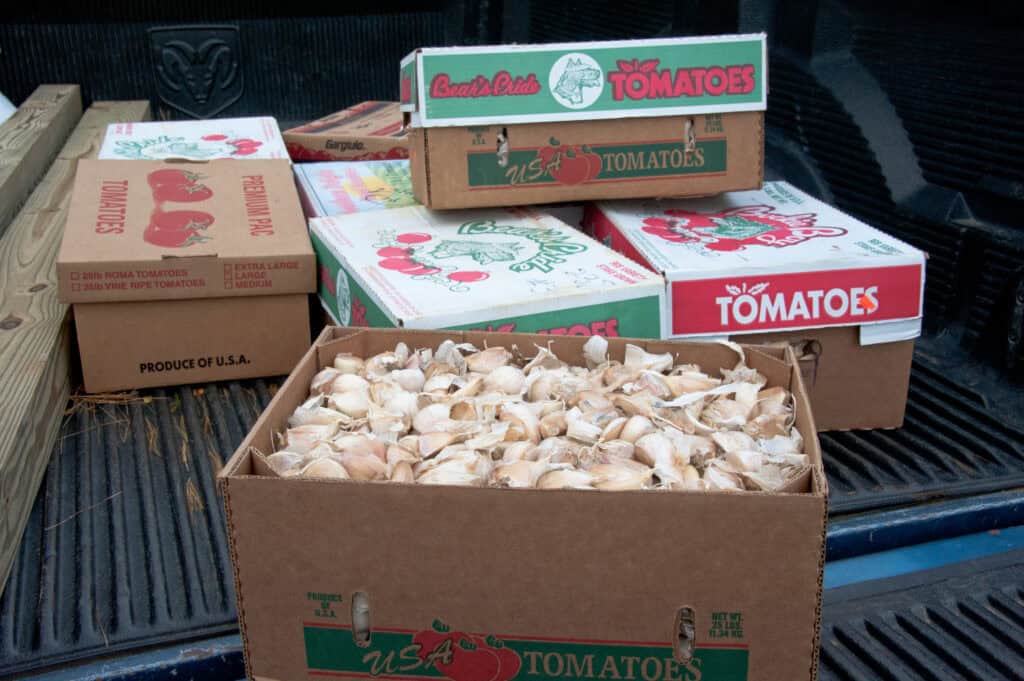
Planting garlic in October is the best time to get bigger bulbs for a summer harvest, and I honestly get so excited when this time of year rolls around! There’s something so satisfying about tucking those little cloves into the ground in fall and knowing you’ll be pulling up beautiful bulbs months later. It feels like a gift you give yourself in advance. Planting Garlic in October: the Best Time to Get Bigger Bulbs for a Summer Harvest is a popular choice for gardeners.
I’ve been growing garlic here in Florida for several years now, and October planting has made a huge difference in the size and quality of my harvest. The timing works with the plant’s natural growth cycle, and once you understand why, it all makes perfect sense.
Why Planting Garlic in October Gives You the Biggest Bulbs
Garlic needs a period of cold (or at least cooler temperatures) to develop properly. This process is called vernalization, and it’s basically what triggers the plant to form those nice, fat bulbs instead of staying thin and weak. When you plant in October, the cloves get that cool-weather exposure through winter before pushing into active growth in spring.
Here in Florida, we don’t get the hard freezes that northern gardeners deal with, but our mild winters are actually enough to do the job. I’m in Zone 9, and October planting gives my garlic about three to four months of cooler nights before things heat back up. That’s plenty of time for good bulb development.
If you’re in a warmer zone like 10 or 11, you can try giving your seed garlic a head start by chilling the cloves in the fridge for a few weeks before planting. Just keep them away from apples and pears, which release a gas that can damage the cloves!
Planting too late, like in December or January here in Florida, means your garlic rushes through its growth cycle when temperatures rise too fast. The result? Smaller bulbs with fewer cloves. October really is the sweet spot.
How to Plant Garlic in October for a Summer Harvest
For more gardening tips, check out: How to Grow and Care for Pothos (Devil’s Ivy)
Start with good quality seed garlic from a reputable garden center or online supplier. I’ve tried using grocery store garlic before, and honestly, the results were disappointing. Grocery store garlic is often treated to prevent sprouting, and many varieties aren’t suited to our climate. For Florida gardens, softneck varieties like Silverskin or Artichoke types tend to do really well since they’re more heat tolerant than hardneck types.
Break your garlic head into individual cloves right before planting. Choose the biggest, firmest cloves for the best results. Bigger cloves equal bigger plants, and bigger plants equal bigger bulbs. It’s a simple rule that really pays off.
Plant each clove about 2 inches deep with the pointy end facing up and the flat root end facing down. Space them about 6 inches apart so each plant has room to grow. I like to plant in raised beds here in Florida because our sandy soil drains really well, which garlic loves. The University of Florida IFAS Extension has some great resources on growing garlic in our state if you want to dig deeper into variety selection.
Caring for Your October Garlic Planting Through the Growing Season
Once your cloves are in the ground, water them in well and then back off a bit. Garlic really doesn’t like soggy soil. I water mine about once a week during the cooler months, and I always check the soil first by sticking my finger in a couple of inches. If it still feels moist, I skip that week’s watering.
Fertilizing is pretty simple too. I work a slow-release fertilizer into the soil at planting time, then give my garlic a nitrogen boost in February when the green shoots are actively growing. This helps build those big, healthy leaves, which is important because the size of your leaves directly affects the size of your bulbs.
You’ll want to watch for a pest called thrips, which can be a real nuisance in Florida gardens. They leave silvery streaks on the leaves. A strong spray of water or an insecticidal soap spray usually takes care of them without too much trouble.
Around late spring, your garlic will send up a curly flower stalk called a scape if you’re growing hardneck varieties. Snip those off! Removing scapes redirects the plant’s energy back into bulb development, which means bigger bulbs at harvest time. Plus, scapes are delicious sauteed in butter, so it’s a total win.
Knowing When Your Garlic Is Ready to Harvest
This is the part everyone gets impatient about, and I completely understand! Your garlic will typically be ready to harvest somewhere between May and June here in Florida. The timing depends on your specific variety and how warm our spring gets.
The signal to watch for is the leaves. When about half of them have turned yellow and started to dry out, it’s time to harvest. Don’t wait until all the leaves are brown, or the outer wrapper around the bulb will start to break down. I’ve made that mistake before and ended up with bulbs that didn’t store as well.
Use a garden fork to gently loosen the soil around the bulbs before pulling them up. Don’t yank them straight out by the tops, or you risk breaking the stem right where it meets the bulb. After harvesting, let your garlic cure in a warm, dry, airy spot for about three to four weeks. The Old Farmer’s Almanac has a helpful guide on curing and storing garlic that’s worth bookmarking.
Once cured, your garlic will keep for several months in a cool, dry spot. Save your best and biggest bulbs to use as seed garlic for next October’s planting!
I hope this gets you fired up to try growing your own garlic this fall. There really is nothing like cooking with homegrown garlic – the flavor is so much richer and more intense than anything from the store. Remember, planting garlic in October is the best time to get bigger bulbs for a summer harvest, so don’t wait too long to get those cloves in the ground. You’ve totally got this, and I can’t wait to hear how your harvest turns out!
