

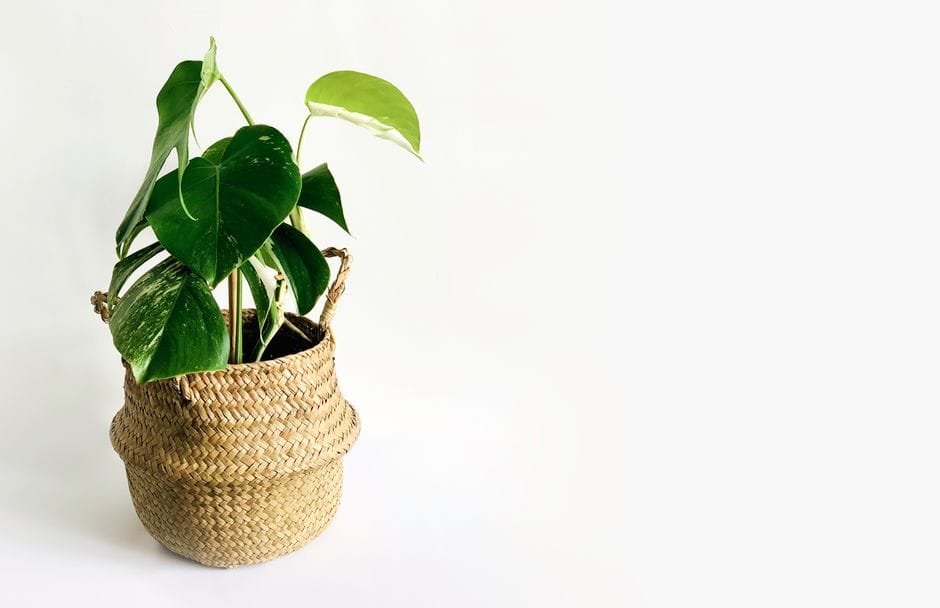
If you’ve been looking for the ultimate Monstera Thai Constellation Care Guide: Light, Watering, and Growth Tips, you’ve come to the right place! I picked up my first Thai Constellation a couple of years ago and honestly fell head over heels for it. Those creamy white and green variegated leaves are just stunning, and there’s nothing quite like watching a new leaf unfurl with those gorgeous splashes of color. Monstera Thai Constellation Care Guide: Light, Watering, and Growth Tips is a popular choice for gardeners.
The good news is that this plant isn’t nearly as fussy as its price tag might suggest. Yes, Thai Constellations can be pricey, but once you understand what they need, they’re actually pretty manageable even for beginners. Let me walk you through everything I’ve learned from growing mine here in Florida.
Monstera Thai Constellation Care Guide: Getting the Light Just Right
Light is honestly the biggest factor in keeping your Thai Constellation happy. These plants need bright, indirect light to really thrive. I keep mine about four to six feet away from a south-facing window, where it gets plenty of brightness without the harsh direct rays hitting those beautiful leaves.
Direct sun is a problem because it scorches the variegated parts of the leaves. The white and cream sections have less chlorophyll, which means they burn way faster than solid green leaves would. I learned this the hard way when I moved mine closer to a window during a bright Florida summer afternoon and ended up with crispy brown patches. Not fun!
Here in Florida, our sun is intense almost year-round, so I’d actually recommend keeping your Thai Constellation indoors where you can control the light. A sheer curtain works great for filtering that strong afternoon sun. If your plant starts leaning heavily toward the window, rotate it every few weeks so all the leaves get even exposure.
If you don’t have a great natural light spot, a grow light works really well for this plant. I’ve had good results with full-spectrum LED grow lights set on a 12-hour timer. The leaves stay vibrant and the plant keeps pushing out new growth even during our cloudier winter months.
Watering Tips from Your Monstera Thai Constellation Care Guide
Related article: Caring for Pothos Plants
Watering is where a lot of people go wrong with Thai Constellations, and I totally get it because the rules feel a little counterintuitive at first. The golden rule is to let the top two inches of soil dry out before you water again. I always do the finger test – just poke your finger into the soil and if it still feels damp, wait a few more days.
Overwatering is the number one killer of this plant. Root rot sets in fast when the soil stays soggy, and by the time you notice the leaves drooping or yellowing, the roots are already in bad shape. I use a pot with drainage holes (non-negotiable!) and I always dump out any water sitting in the saucer after about 30 minutes.
In Florida, our humidity actually helps a lot here. Because the air is naturally moist, the soil doesn’t dry out as fast as it might in a drier climate. During our hot summers, I water about once a week, but in the cooler months I stretch that to every 10 to 14 days. Always check the soil first rather than watering on a strict schedule.
When you do water, water thoroughly until it drains out the bottom. This makes sure the whole root system gets a drink and flushes out any salt buildup from fertilizer. Room temperature water works best – cold water can stress tropical plants like this one.
Growth Tips in This Monstera Thai Constellation Care Guide
Thai Constellations are slower growers compared to regular Monsteras, and that’s completely normal. The variegation actually slows things down because those lighter leaf sections produce less energy from photosynthesis. You might only get a few new leaves every couple of months, so don’t panic if growth feels slow. Each new leaf is worth the wait!
Fertilizing during the growing season (spring through summer) really helps push new growth. I use a balanced liquid fertilizer diluted to half strength about once a month. You can check out UF/IFAS Gardening Solutions for more guidance on fertilizing tropical houseplants in Florida’s climate. I skip fertilizing in fall and winter when the plant naturally slows down.
Humidity is your friend with this plant. Thai Constellations love humidity levels around 60% or higher. In Florida, we’re often naturally in that range outdoors, but indoors with air conditioning running all summer, things can get drier than you’d think. I run a small humidifier near my plant or group it with other tropical plants to keep the moisture levels up.
A moss pole or support stake is a great investment once your plant gets bigger. In the wild, Monsteras climb trees, so giving them something to climb actually encourages larger leaves and faster growth. I added a moss pole to mine last spring and the difference in leaf size has been incredible.
Soil, Potting, and Common Problems to Watch For
Getting the soil mix right makes a huge difference for this plant. Thai Constellations need well-draining soil that still holds some moisture. I mix regular potting soil with perlite and a little orchid bark – roughly 60% potting mix, 30% perlite, and 10% bark. This keeps the roots aerated and prevents the soggy conditions that lead to rot.
Repot your Thai Constellation every one to two years, or when you see roots poking out of the drainage holes. Go up just one pot size at a time – jumping to a much bigger pot means too much soil holding moisture around the roots. Spring is the best time to repot, right when the plant is gearing up for its growing season.
Pests are something to watch for, especially here in Florida where bugs are just part of life. Spider mites, mealybugs, and scale insects are the most common visitors. I check the undersides of leaves regularly and wipe them down with a damp cloth every few weeks. If I spot any bugs, I treat with neem oil spray right away before things get out of hand. The Royal Horticultural Society’s Monstera page has some helpful info on common pests too.
Yellowing leaves usually mean overwatering, while brown leaf edges often point to low humidity or too much direct sun. Brown spots with yellow halos can signal a fungal issue. Good airflow around the plant helps prevent that, so don’t tuck it into a tight corner with no air circulation.
Keeping this plant happy really comes down to bright indirect light, careful watering, and good humidity. Once you dial those three things in, you’ll be rewarded with some seriously stunning new leaves. I always say that the slow growth just makes each unfurling leaf feel like a little celebration!
Whether you’re a total beginner or you’ve been growing plants for years, this Monstera Thai Constellation Care Guide: Light, Watering, and Growth Tips should give you the confidence to keep yours thriving. These plants are absolutely worth the effort, and I promise you’ll be obsessed once you get the hang of it. Happy growing!
