

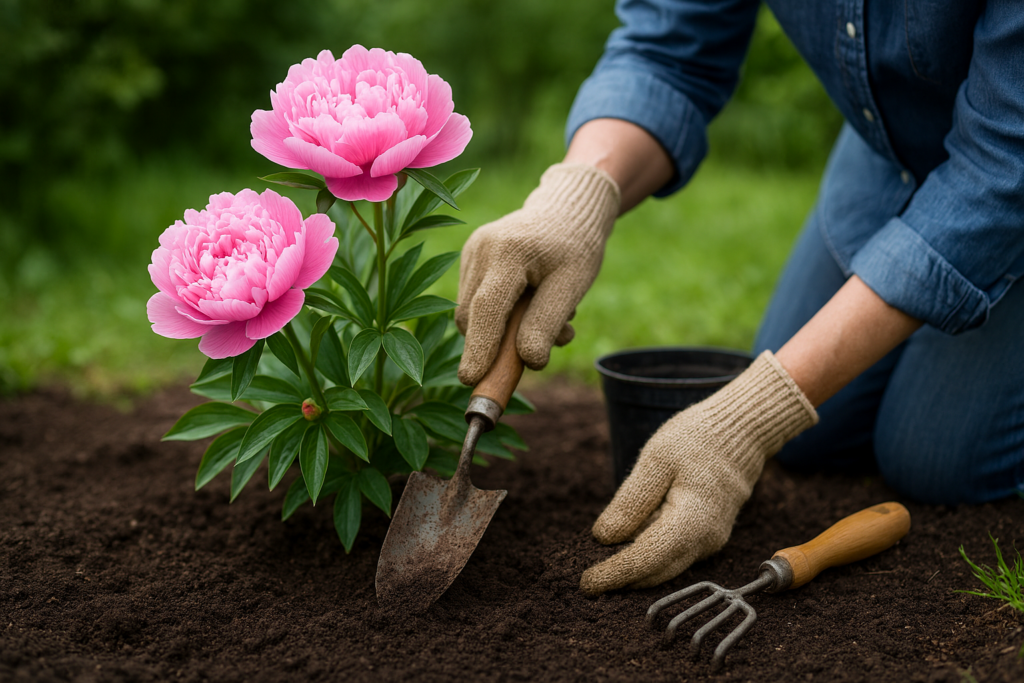
I have to be honest with you about how to plant and care for peonies in spring – it’s not as straightforward here in Florida as it is up north. These gorgeous, ruffled beauties are absolutely stunning when they bloom, but they need some special attention in our warm climate. Don’t let that scare you off though! How to Plant and Care for Peonies in Spring is a popular choice for gardeners.
Peonies are worth the extra effort because their blooms are simply spectacular. When they do flower, you’ll have these massive, fragrant blossoms that look like they belong in a fancy flower shop. I’ve learned some tricks over the years that make growing them much more successful in warmer zones.
Understanding Peony Growing Requirements for Spring Planting
The biggest challenge with learning how to plant and care for peonies in spring is understanding their need for cold weather. These plants actually require a long winter chill period to bloom properly – we’re talking about 500 to 1000 hours below 45°F. In most of Florida, we just don’t get that kind of sustained cold.
However, if you’re in North Florida (zones 8a-8b), you might have better luck than those of us further south. I’ve seen some success with tree peonies in Tallahassee and Gainesville areas. The key is choosing the right varieties and giving them the coolest spot in your garden.
For spring planting, you’ll want to choose a location that gets morning sun but afternoon shade. This helps protect the plants from our intense summer heat. I always recommend planting on the north side of your house or under the canopy of larger trees where they’ll get filtered light.
The soil needs to drain really well because peonies hate wet feet. I mix in plenty of compost and coarse sand to improve drainage. If your soil stays soggy after rain, consider planting in raised beds or large containers instead.
How to Plant Peonies in Spring the Right Way
For more gardening tips, check out: How to Get Rid of Aphids on Tomato Plants Naturally
When you’re ready to plant peonies in spring, timing is everything. I wait until after our last frost date, which is usually mid-March in most of Florida. The soil should be workable and not waterlogged from winter rains.
Dig your planting hole about twice as wide as the root ball but only as deep as the container. This is super important – peonies planted too deep won’t bloom well or at all. The crown (where the stems meet the roots) should sit right at soil level, maybe just slightly above.
I always add a handful of bone meal to the planting hole because peonies are heavy feeders. Mix it well with the existing soil rather than creating a rich pocket that might hold too much moisture. University extension services recommend keeping the soil pH between 6.0 and 7.0 for best results.
After planting, water deeply but then back off on the watering frequency. I learned this the hard way when I killed my first peony by being too generous with the hose. These plants prefer to dry out slightly between waterings, especially in our humid climate.
Spring Care Tips for Healthy Peony Growth
Once your peonies are planted, spring care focuses on encouraging strong root development rather than rushing into bloom mode. I fertilize lightly in early spring with a balanced fertilizer – something like 10-10-10 works great. Don’t go overboard because too much nitrogen creates lots of leaves but fewer flowers.
Mulching is really important here in Florida to keep the roots cool during our hot springs and summers. I use about 3 inches of shredded hardwood mulch, keeping it pulled back from the stem to prevent rot issues. Pine straw works well too and breaks down slowly.
Watch out for fungal problems during our humid spring weather. I’ve dealt with botrytis blight more than once, which shows up as brown spots on leaves and stems. Good air circulation helps prevent this, so don’t crowd your peonies with other plants. If you see any diseased foliage, remove it immediately and throw it in the trash, not your compost pile.
Staking might be necessary if your peony varieties have large, heavy blooms. I use peony cages or simple bamboo stakes with soft ties. Put these in place early in the season before the stems get too tall – trust me, it’s much easier than trying to stake a flopping plant later.
Common Mistakes and Troubleshooting Tips
The biggest mistake I see people make is expecting their peonies to bloom like crazy in the first year. These plants are slow starters and often don’t produce their best flowers until the second or third year. Be patient – I know it’s hard when you’re excited about those gorgeous blooms!
Another common problem is planting varieties that just aren’t suited for our climate. Florida’s IFAS extension suggests trying tree peonies or intersectional peonies rather than the traditional herbaceous types. These tend to handle heat better and need less winter chill.
Overwatering kills more peonies in Florida than anything else. Our clay soils and frequent summer rains create perfect conditions for root rot. If your peony’s leaves start turning yellow and the plant looks generally unhappy, check the drainage around the roots. You might need to relocate it to a better spot.
Don’t be discouraged if your peony doesn’t bloom every year. In marginal climates like ours, they might bloom well one year and skip the next depending on winter temperatures. I’ve learned to appreciate the beautiful foliage even in non-blooming years – the leaves are actually quite attractive and turn nice colors in fall.
Learning how to plant and care for peonies in spring takes some trial and error, especially here in the South. Every garden is different, and what works in my yard might need tweaking in yours. The key is starting with realistic expectations and being willing to experiment with different varieties and locations.
Don’t give up if your first attempt doesn’t work out perfectly. I’ve moved my peonies around the yard more times than I care to admit, and each time I learn something new about what they like and don’t like in our Florida climate!
