

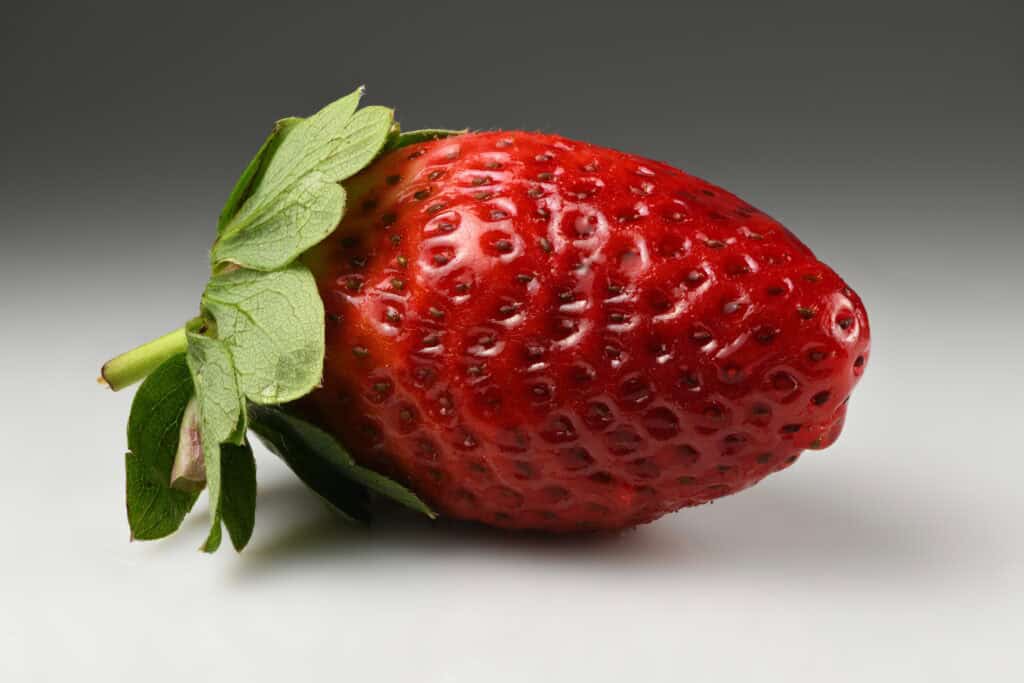
Learning how to grow strawberries is one of the most rewarding gardening adventures you can start! I’ve been growing these sweet little gems in my Florida garden for years, and let me tell you, there’s nothing quite like picking your own sun-warmed berries right off the plant. The taste difference between store-bought and homegrown strawberries is absolutely incredible. How to Grow Strawberries is a popular choice for gardeners.
Strawberries are surprisingly easy to grow once you understand their basic needs. They’re perfect for beginners because they’re forgiving plants that produce fruit relatively quickly. Whether you have a big garden or just a few containers on a patio, you can successfully grow your own strawberry patch.
Getting Started: How to Grow Strawberries in the Right Spot
The first thing I learned about how to grow strawberries successfully is that location matters more than you might think. These plants absolutely love full sun, which means at least 6-8 hours of direct sunlight each day. I made the mistake early on of planting them in a spot that only got morning sun, and my harvest was pretty disappointing that year.
Here in Florida, I actually give my strawberries a little afternoon shade during our brutal summer months. The intense heat can stress the plants and make the berries ripen too quickly. If you’re in a hot climate like me, look for a spot that gets morning sun but has some protection from the harshest afternoon rays.
Soil drainage is absolutely critical for strawberry success. These plants hate wet feet and will develop root rot if the soil stays soggy. I always do the simple water test before planting. Pour a glass of water on the soil and see how quickly it drains. If water is still sitting there after an hour, you’ll need to improve drainage by adding compost or planting in raised beds.
The ideal soil pH for strawberries is slightly acidic, around 5.5 to 6.8. Don’t worry if you don’t have a fancy pH meter though! Most garden soils work just fine, and adding some compost will usually get you in the right range naturally.
Planting and Caring for Your Strawberry Plants
You might also enjoy: How to Grow Herbs in Mason Jars for Kitchen Window Gardens
When you’re ready to plant, timing makes a huge difference in your success. In Florida and other warm climates, fall planting (October through December) works best because it gives the plants time to establish before our hot summers hit. Northern gardeners typically plant in spring after the last frost.
I always buy certified disease-free plants from reputable nurseries rather than trying to grow from seed. Seeds take forever and the results are unpredictable. When planting, make sure the crown (where the leaves meet the roots) sits right at soil level. Too deep and the crown will rot, too shallow and the roots dry out.
Space your plants about 12-18 inches apart to give them room to spread. Strawberries send out runners that create new plants, so they’ll naturally fill in the gaps over time. I learned this the hard way when I planted mine too close together and ended up with an overcrowded mess!
Watering is where many people go wrong with strawberry care. These plants need consistent moisture but not waterlogged soil. I water deeply once or twice a week rather than light daily watering. The goal is to keep the soil evenly moist about 2 inches down. Stick your finger right into the soil to check before watering.
Growing Strawberries Successfully Through the Seasons
Understanding strawberry varieties will help you plan your harvest season better. June-bearing varieties produce one large crop in late spring or early summer, while everbearing types give you smaller harvests throughout the growing season. Day-neutral varieties are my personal favorite because they produce fruit continuously as long as temperatures stay between 35-85°F.
Fertilizing strawberries doesn’t have to be complicated, but timing matters. I feed mine with a balanced fertilizer (like 10-10-10) when I first plant them, then again in early spring before they start flowering. Avoid high-nitrogen fertilizers during fruiting season because they’ll give you lots of leaves but fewer berries.
Mulching around your plants is one of the best things you can do for strawberry health. I use straw (hence the name strawberry!) or pine needles to keep weeds down and maintain soil moisture. The mulch also keeps the berries clean and prevents them from rotting on the ground. Apply about 2-3 inches around each plant, keeping it away from the crown.
Here in Florida, I have to watch out for pests like spider mites and aphids, especially during our hot, dry periods. Regular inspection is key. I check my plants weekly and use insecticidal soap or neem oil if I spot any problems early.
Harvesting and Enjoying Your Homegrown Berries
Knowing when to harvest strawberries is an art that comes with experience. The berries should be fully red with no white or green areas, and they should come off easily when you gently twist them. I always pick in the morning when it’s cool and the berries are at their peak flavor.
Don’t wash your strawberries until you’re ready to eat them, as moisture shortens their storage life. Fresh strawberries will keep in the refrigerator for about a week if you store them properly. I place them in a single layer on a paper towel-lined tray, which prevents bruising and extends freshness.
One of my favorite discoveries has been how productive a small strawberry patch can be. Just 25 plants can yield 20-30 pounds of berries in a good season! That’s enough for fresh eating, freezing, and making jam. I always plant more than I think I’ll need because there’s nothing worse than running out of homegrown strawberries.
Winter care varies depending on your climate zone. Here in Florida, strawberries can produce year-round with the right varieties, though production slows in summer heat. Northern gardeners will need to mulch heavily for winter protection and remove old leaves in spring.
Growing your own strawberries really is easier than most people think, and the payoff is incredible. The combination of sweet flavor, beautiful plants, and that satisfaction of eating something you grew yourself makes every bit of effort worthwhile. Start small with just a few plants this season, and I guarantee you’ll be expanding your strawberry patch next year!
Remember, every gardener learns through experience, so don’t get discouraged if your first attempt isn’t perfect. I’ve been gardening for years and I’m still learning new tricks for growing better strawberries each season.
