

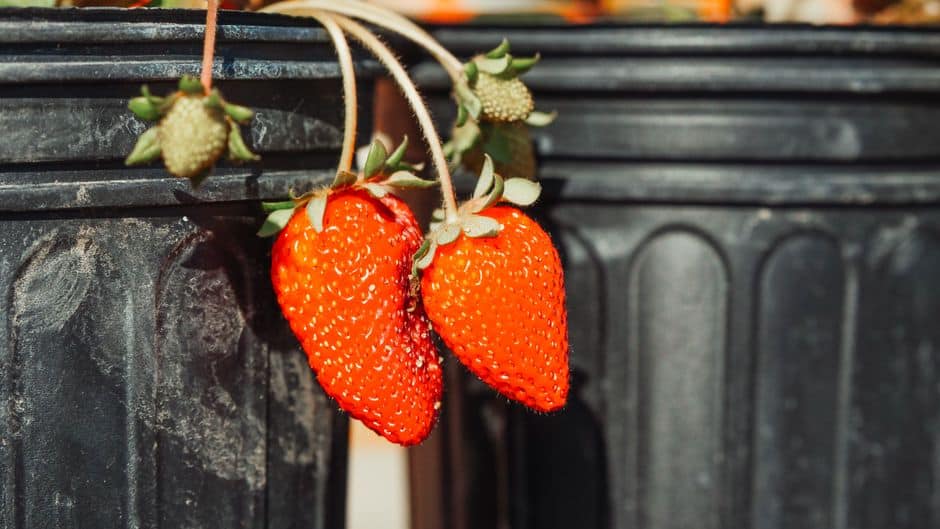
If you’ve ever wanted to know how to grow strawberries in hanging basket containers, I’m here to tell you it’s so much easier than you might think. I started doing this a few years ago when I ran out of garden bed space, and honestly, it’s become one of my favorite ways to grow fruit at home. Fresh strawberries dangling from a pretty basket on your porch? Yes, please! “how to Grow Strawberries in Hanging Basket Containers” is a popular choice for gardeners.
The best part is that hanging baskets are perfect for Florida gardening. We don’t always have a ton of outdoor space, and the heat can be brutal on ground-level plants. Getting your berries up off the ground means better air circulation and fewer pest problems too.
Choosing the Right Strawberries to Grow in Hanging Basket Containers
Not all strawberries are created equal when it comes to container growing. You want to look for what are called “everbearing” or “day-neutral” varieties, because these types produce fruit multiple times throughout the season instead of just once. My personal favorites are Seascape and Albion, which both do really well in warm climates.
For Florida gardeners, timing matters a lot. Our best planting window is October through February, when temperatures cool down enough for strawberries to actually thrive. Strawberries really struggle in intense summer heat, so planting in fall gives you the best shot at a good harvest.
You’ll also want to pick up transplants (little starter plants) rather than growing from seed. Seeds take forever, and transplants give you a huge head start. Most garden centers in Florida carry them starting in the fall, so keep an eye out!
Check out the University of Florida IFAS Extension guide on strawberries for more variety recommendations specific to our state. It’s a fantastic resource.
How to Grow Strawberries in Hanging Basket Containers: Setup Tips
Also read: How to Grow Ground Cherries (physalis Pruinosa): Complete Guide to Planting, Care, and Harvest
Getting the setup right makes a huge difference. First, choose a basket that’s at least 12 inches wide and has good drainage holes. Strawberry roots don’t like sitting in water, and soggy soil is the number one way to kill your plants fast. I learned that the hard way with my first basket!
Fill your basket with a high-quality potting mix, not regular garden soil. Garden soil gets too compacted in containers and doesn’t drain well. I like to mix in some perlite to keep things light and airy. You can fit about 3 plants comfortably in a 12-inch basket without crowding them.
Plant your strawberries so the crown (that little nubby part where the leaves meet the roots) sits right at soil level. Too deep and it will rot. Too shallow and the roots dry out. Right in the middle is the sweet spot!
Water your basket thoroughly right after planting. Then stick your finger about an inch into the soil every day or two. If it feels dry at that depth, it’s time to water again. Hanging baskets dry out faster than pots on the ground, especially in Florida’s heat, so you may need to water daily during warmer months.
Sunlight, Feeding, and Caring for Strawberries in Hanging Baskets
Strawberries love sunshine, and I mean they really love it. Aim for at least 6 to 8 hours of direct sun each day. I hang my baskets on the south-facing side of my porch where they get great morning and afternoon light.
Feeding your plants is where a lot of beginners skip a step. Container plants use up nutrients much faster than plants in the ground, so you need to fertilize regularly. I use a balanced liquid fertilizer every two weeks during the growing season. Once the plants start flowering, I switch to a fertilizer that’s lower in nitrogen and higher in phosphorus to encourage more fruit production.
Keep an eye out for runners, which are those long stringy stems that shoot out from the mother plant. In a hanging basket, you can let them dangle for a pretty cascading effect! But if you want more fruit production, pinch them off so the plant puts its energy into berries instead.
Watch out for common pests like spider mites and aphids, which love Florida’s warm weather. A simple spray of diluted neem oil works really well as a natural deterrent. I spray every couple of weeks as prevention rather than waiting until I have a full infestation.
Harvesting Your Strawberries and Keeping the Basket Going
This is the fun part! Strawberries are ready to pick when they’re fully red all the way around, with no white or green patches. Give them a gentle tug, and if they come off easily, they’re ready. I usually check my baskets every morning because ripe strawberries can go from perfect to overripe pretty quickly in the heat.
Don’t wash your strawberries until right before you eat them. Washing and then storing them makes them go mushy fast. Just pop them in the fridge and rinse when you’re ready to snack.
After a big harvest flush, your plants might slow down for a bit. That’s totally normal! Keep up with watering and fertilizing, and they’ll bounce back. Everbearing varieties will give you multiple rounds of fruit, so don’t pull the plants out after the first harvest.
Most strawberry plants do best for about two to three years before production starts to slow down. When that happens, you can learn more about refreshing your strawberry plants from the University of Minnesota Extension, which has great general tips that apply to container growing too.
Growing fresh strawberries at home is such a rewarding experience, and hanging baskets make it accessible even if you’re working with a tiny balcony or patio. Once you bite into that first berry you grew yourself, you’ll be totally hooked.
If you’ve been curious about how to grow strawberries in hanging basket containers, I hope this gives you the confidence to just go for it. Start with a couple of baskets this fall, follow these tips, and I think you’ll be really happy with what you harvest!
