

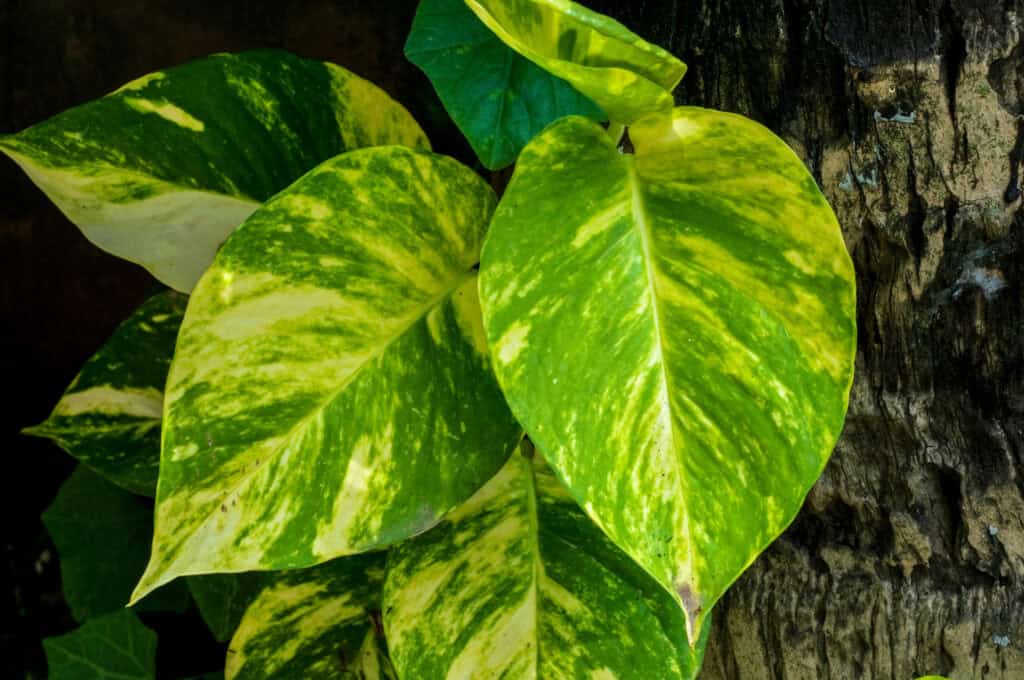
If you’ve ever wondered how to grow pothos (Epipremnum aureum): the complete beginner’s care guide is exactly what you need, and I’m so excited to share everything I’ve learned! Pothos, sometimes called devil’s ivy, is honestly one of my all-time favorite houseplants. It’s gorgeous, grows like crazy, and is incredibly forgiving for beginners. How to Grow Pothos (epipremnum Aureum): the Complete Beginner’s Care Guide is a popular choice for gardeners.
I’ve had pothos plants in my Florida home for years, and they never disappoint. Whether you’re a total plant newbie or just looking to add more green to your space, this plant is a fantastic place to start.
How to Grow Pothos (Epipremnum Aureum): Getting the Light and Soil Right
One of the best things about pothos is how flexible it is with light. It grows happily in low light, bright indirect light, and pretty much everything in between. That said, I’ve noticed my pothos plants look their absolute best when they get a few hours of bright, indirect sunlight each day.
One thing to avoid is direct harsh sun, especially here in Florida where our summer sun is intense. Direct sunlight will scorch those beautiful leaves and leave them looking yellowed and crispy. A spot near a window with a sheer curtain is honestly perfect.
For soil, pothos isn’t picky at all. A basic, well-draining potting mix works great. I usually grab a standard indoor potting mix from my local garden center and maybe mix in a little perlite to help with drainage. Good drainage is really the key here because soggy soil is the enemy of a happy pothos.
You can learn more about choosing the right soil for tropical houseplants from the University of Florida IFAS Extension, which has tons of great resources for Florida gardeners like me!
Watering and Feeding Your Pothos: A Beginner’s Care Guide
Also read: How to Grow Rudbeckia Maxima (Giant Coneflower)
Watering is where most beginners go wrong with pothos, and I totally get it because I made the same mistake when I first started. The trick is to let the soil dry out a bit between waterings. I use the finger test every single time: stick your finger about two inches into the soil, and if it feels dry, it’s time to water.
If the soil still feels damp, just wait a couple more days and check again. Overwatering causes root rot, which can kill your plant pretty quickly. I learned that the hard way with one of my first pothos plants, and it was a sad day in the Barton household!
During Florida summers, I water mine roughly once a week. In the cooler winter months, I cut back to every ten days or so. Your home’s humidity and temperature will affect this, so the finger test is always your best guide.
For feeding, pothos doesn’t need much fertilizer at all. I give mine a balanced liquid fertilizer about once a month during spring and summer. Skip fertilizing in fall and winter when the plant’s growth naturally slows down.
How to Grow Pothos (Epipremnum Aureum): Propagation and Repotting Tips
Here’s one of my favorite things about pothos: it’s incredibly easy to propagate! You can grow brand new plants from cuttings, which means one pothos can turn into ten. I’ve filled my whole house this way, and I still have plenty to share with friends.
To take a cutting, snip a stem just below a leaf node (that’s the little bump where a leaf meets the stem). Your cutting should have at least two or three leaves on it. Then just pop it in a glass of water on a sunny windowsill and watch the roots grow. It usually takes two to four weeks to see good root development.
Once your cutting has a few inches of roots, plant it in a small pot with potting mix and treat it just like a mature plant. It really is that simple, and it never gets old watching those little roots appear!
For repotting, pothos likes to be a little snug in its pot. I repot mine every one to two years, or whenever I see roots poking out of the drainage holes. Go up just one pot size at a time so you don’t overwhelm the roots with too much soil.
Common Problems and Florida-Specific Pothos Growing Tips
Pothos is super tough, but it can run into a few issues. Yellow leaves usually mean you’re overwatering, while brown, crispy tips often mean the air is too dry or the plant needs a drink. In Florida, our humidity is naturally high, which pothos absolutely loves. If you’re growing yours indoors with air conditioning running all day, consider misting the leaves occasionally or setting the pot on a tray of pebbles and water.
Pests can be a problem too, especially in Florida’s warm climate. Keep an eye out for mealybugs and spider mites. If you spot them, wipe the leaves down with a damp cloth or treat with neem oil. Catching pests early makes a huge difference.
One thing I love about growing pothos outdoors here in Florida is that it thrives in our warm, humid conditions. In zones 10 and 11, you can even grow it outside as a ground cover in shaded spots. Just keep it away from full sun and bring it in if there’s a cold snap.
For more detailed information on Epipremnum aureum’s growth habits and varieties, Wikipedia has a solid overview that’s worth a quick read.
Growing pothos is one of the most rewarding things you can do as a beginner plant parent. It’s forgiving, fast-growing, and just plain beautiful trailing down a shelf or climbing up a moss pole.
I hope this guide to how to grow pothos (Epipremnum aureum): the complete beginner’s care guide gives you the confidence to get started. You’ve got this, and I promise your pothos is going to thrive!
