

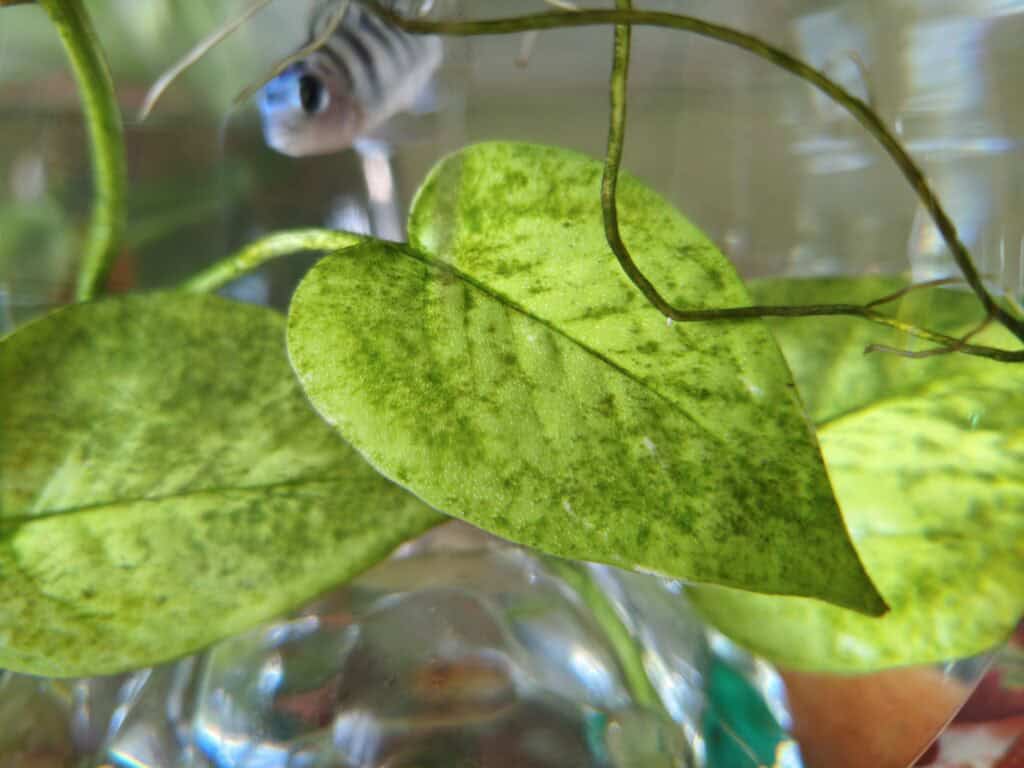
If you’ve ever wanted to know how to grow pothos (devil’s ivy): the complete beginner’s care guide you need is right here, and I promise it’s easier than you think! Pothos is honestly one of my all-time favorite plants because it’s so forgiving, so pretty, and so fast-growing. I’ve had pothos vines trailing across my Florida sunroom for years, and they never stop making me happy. How to Grow Pothos (devil’s Ivy): the Complete Beginner’s Care Guide is a popular choice for gardeners.
What makes pothos so great for beginners is that it practically thrives on a little bit of neglect. You don’t need a green thumb, a fancy setup, or perfect conditions. You just need some basic know-how, and that’s exactly what we’re going to cover today!
How to Grow Pothos (devil’s Ivy): Choosing the Right Spot and Light
One of the best things about pothos is how flexible it is when it comes to light. It can handle low light, medium light, or bright indirect light without complaining much. That said, the happier you make it with light, the faster and fuller it’ll grow.
I keep mine near a north-facing window in my living room, and it does great. Avoid putting it in direct sun though, especially here in Florida where our afternoon sun is intense. Direct sunlight will scorch those pretty leaves and leave them looking pale and sad.
If you want the leaves to stay nice and variegated (that means the yellow or white patterns on the leaves), give it a bit more light. Low light tends to make the leaves go more solid green over time. It still looks lovely, but you’ll lose some of that color variety.
Here in Florida, I sometimes grow pothos outdoors in a shaded spot on my porch during the cooler months. It loves the humidity and warmth! Just bring it back inside before summer heat gets too brutal, because even pothos has its limits.
A Beginner’s Care Guide to Watering and Soil for Pothos (devil’s Ivy)
Related article: Snake Plant Care Guide
Watering is where most beginners go wrong with pothos, and honestly, I made this mistake myself when I first started growing them. The number one mistake is watering too often. Pothos really doesn’t like sitting in soggy soil.
I use what I call the finger test. Stick your finger about two inches into the soil, and if it feels dry, go ahead and water. If it still feels damp, wait a few more days and check again. Simple as that! In Florida’s warm climate, I find I water mine about once a week in summer and every ten days or so in winter.
When you do water, water thoroughly until it drains out the bottom of the pot. Then let it dry out before watering again. Make sure your pot has drainage holes, because sitting in standing water is a fast track to root rot. I lost a beautiful golden pothos that way years ago and learned my lesson!
For soil, a regular well-draining potting mix works perfectly. You can find good options at any garden center. The University of Florida’s IFAS extension actually has some great general guidance on pothos care if you want to dig into even more detail.
How to Grow Pothos (devil’s Ivy) and Keep It Healthy All Year
Pothos is a pretty light feeder, which means you don’t need to fertilize constantly. I give mine a balanced liquid fertilizer about once a month during spring and summer when it’s actively growing. In fall and winter, I skip it entirely because the plant slows down and doesn’t need the extra boost.
Pothos loves humidity, which is one reason it does so well in Florida! The natural moisture in our air keeps it happy. If you live somewhere drier, you can mist the leaves occasionally or set the pot on a tray with pebbles and water to add some moisture around the plant.
Pruning is something I actually enjoy doing with my pothos. If the vines get really long, just snip them back to keep the plant looking full and bushy. And here’s the fun part: those cuttings can become brand new plants! Just pop a cutting with a few leaves into a glass of water, wait for roots to appear (usually two to three weeks), and then plant it in soil.
Pests are pretty rare with pothos, but spider mites and mealybugs can show up occasionally, especially in dry conditions. If you spot any, wipe the leaves down with a damp cloth or use a neem oil spray. Catching problems early makes them so much easier to handle. Pothos (Epipremnum aureum) is naturally pretty resilient, which is another reason it’s such a great beginner plant.
Propagating and Repotting Your Pothos Like a Pro
Once you get comfortable growing pothos, propagating it is one of the most rewarding things you can do. I mentioned the water propagation method above, and it really is that easy. I have little jars of pothos cuttings all over my kitchen windowsill, and it makes me smile every time I see new roots forming.
Repotting is something you’ll want to do every year or two as your plant grows. You’ll know it’s time when roots start poking out of the drainage holes or the plant seems to dry out really fast after watering. Go up just one pot size, so maybe from a four-inch pot to a six-inch pot. Too big a jump and the extra soil holds too much moisture.
Use fresh potting mix when you repot and gently loosen any tightly bound roots before placing the plant in its new home. Water it well after repotting and then let it settle in for a week or two before fertilizing again. It might look a little droopy at first, but don’t panic! That’s totally normal and it’ll perk right back up.
One thing to keep in mind: pothos is toxic to pets and people if eaten, so keep it out of reach of curious cats, dogs, and little ones. It’s still a wonderful plant, just something to be aware of!
Pothos is truly one of those plants that rewards you for even the smallest amount of care and attention. Whether you’re growing it in a hanging basket, trailing it across a shelf, or letting it climb a moss pole, it always looks gorgeous.
If you’ve been looking for a sign to start growing houseplants, this is it! Learning how to grow pothos (devil’s ivy): the complete beginner’s care guide is honestly one of the best places to start your plant journey. You’ve totally got this, and I’m cheering you on every step of the way!
