

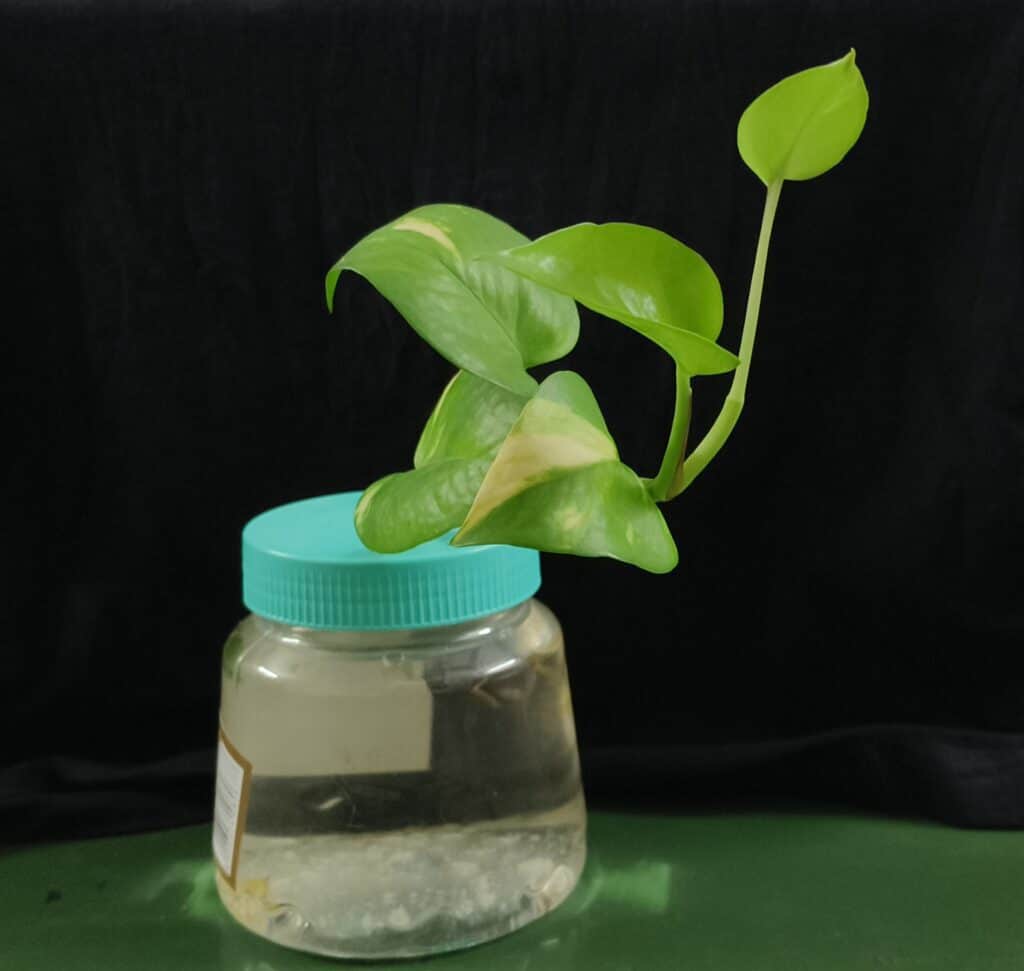
Learning how to grow golden pothos (epipremnum aureum) is honestly one of the best decisions you can make as a plant parent. I’ve been growing these beauties for years, and they never fail to impress me with how forgiving and gorgeous they are. Whether you’re a complete beginner or just want to add some easy greenery to your home, pothos is your friend. How to Grow Golden Pothos (epipremnum Aureum) is a popular choice for gardeners.
These trailing vines are perfect for hanging baskets, climbing up moss poles, or just cascading from a shelf. The heart-shaped leaves with their golden variegation literally brighten up any room. Plus, they’re known as one of the best air-purifying plants you can grow indoors!
Getting Started with Golden Pothos Care
When I first started growing golden pothos, I was amazed at how simple it really is. These plants thrive in bright, indirect light, which means they’re happy near a window but not getting blasted by direct sun. I keep mine about 3-4 feet from my east-facing windows, and they absolutely love it there.
The key thing I’ve learned about light is that too much direct sun will actually bleach out those beautiful golden markings. I made this mistake with my first plant and watched the leaves turn pale and sad. On the flip side, if your pothos is in too dark of a spot, it’ll lose its variegation and the leaves will turn mostly green.
Here in Florida, I can actually grow pothos outdoors in shaded areas year-round. The humidity and warmth make them incredibly happy. If you’re in a cooler climate, don’t worry – they’re perfectly content as houseplants and will grow just as well indoors.
Water is where most people either overthink it or mess up completely. I use the finger test – stick your finger about 2 inches down into the soil, and if it feels dry, it’s time to water. Usually, this works out to watering about once a week, but it really depends on your home’s humidity and temperature.
How to Grow Golden Pothos Successfully
You might also enjoy: How to Grow Strawberries in Florida
The soil situation is pretty straightforward, which is another reason I love these plants. Any well-draining potting mix will work perfectly fine. I usually grab whatever’s on sale at the garden center, as long as it’s not heavy clay or something that holds too much water. Good drainage is really the only non-negotiable here.
I’ve found that pothos aren’t picky about pot size either. They’re actually happier when they’re slightly root-bound, so don’t feel like you need to repot them constantly. I usually wait until I see roots coming out of the drainage holes before I even think about sizing up.
One thing that makes growing golden pothos so rewarding is how fast they grow. We’re talking a foot or more each month during the growing season! I love watching new leaves unfurl – they start out smaller and darker, then develop their full size and variegation as they mature.
Temperature-wise, these tropical plants prefer it warm, ideally between 65-85°F. This makes them perfect for most homes, and here in Florida, they’re comfortable year-round. Just keep them away from air conditioning vents or drafty windows in winter.
Propagating and Training Your Golden Pothos
Here’s where things get really fun – pothos are ridiculously easy to propagate. I’ve probably given away dozens of cuttings over the years because it’s so simple to create new plants. Just cut a 4-6 inch piece that includes at least one node (those little bumps on the vine), and stick it in water.
Within a week or two, you’ll see roots starting to form. Once the roots are about an inch long, you can plant it in soil. I usually keep several cuttings rooting in mason jars on my kitchen windowsill – they look pretty and give me backup plants to share with friends.
If you want your pothos to climb instead of trail, you can train it up a moss pole or trellis. The aerial roots will grab onto the support, and the leaves actually get bigger as the plant climbs higher. I have one that’s been climbing for three years now, and the leaves at the top are twice the size of the ones at the bottom!
You can also pinch back the growing tips to encourage bushier growth. I do this when my hanging baskets start looking a bit sparse at the top. The plant will branch out and create a fuller, more lush appearance.
Common Problems and Solutions
Even though pothos are super forgiving, I’ve definitely made my share of mistakes over the years. The most common issue I see (and experienced myself) is overwatering. If the leaves start turning yellow and mushy, and the soil smells funky, you’ve got root rot on your hands.
The good news is that pothos can often recover from root rot if you catch it early. I trim off any black, mushy roots, repot in fresh soil, and cut back on watering. Usually, the plant bounces back within a few weeks. University extension services have great resources for diagnosing plant problems if you’re not sure what’s going on.
Brown, crispy leaf tips usually mean the air is too dry or you’re using water with too many chemicals. I started using filtered water for my plants, and the difference was noticeable. If your home is dry (especially in winter), try grouping plants together or using a humidifier.
Pest problems are pretty rare with pothos, but occasionally you might see spider mites or mealybugs. I just wipe the leaves down with a damp cloth regularly, which prevents most issues. If pests do show up, a gentle insecticidal soap spray usually takes care of them quickly.
Learning how to grow golden pothos has been such a rewarding experience, and I know you’ll love these plants as much as I do. They’re forgiving enough for beginners but interesting enough to keep experienced gardeners happy. Start with one plant, and I guarantee you’ll end up with several!
The best part about pothos is that they just keep giving. Between the easy propagation and the gorgeous trailing growth, you’ll have plenty of green beauty to enjoy and share. Trust me, once you see how simple and satisfying it is to grow these beauties, you’ll wonder why you waited so long to try!
