

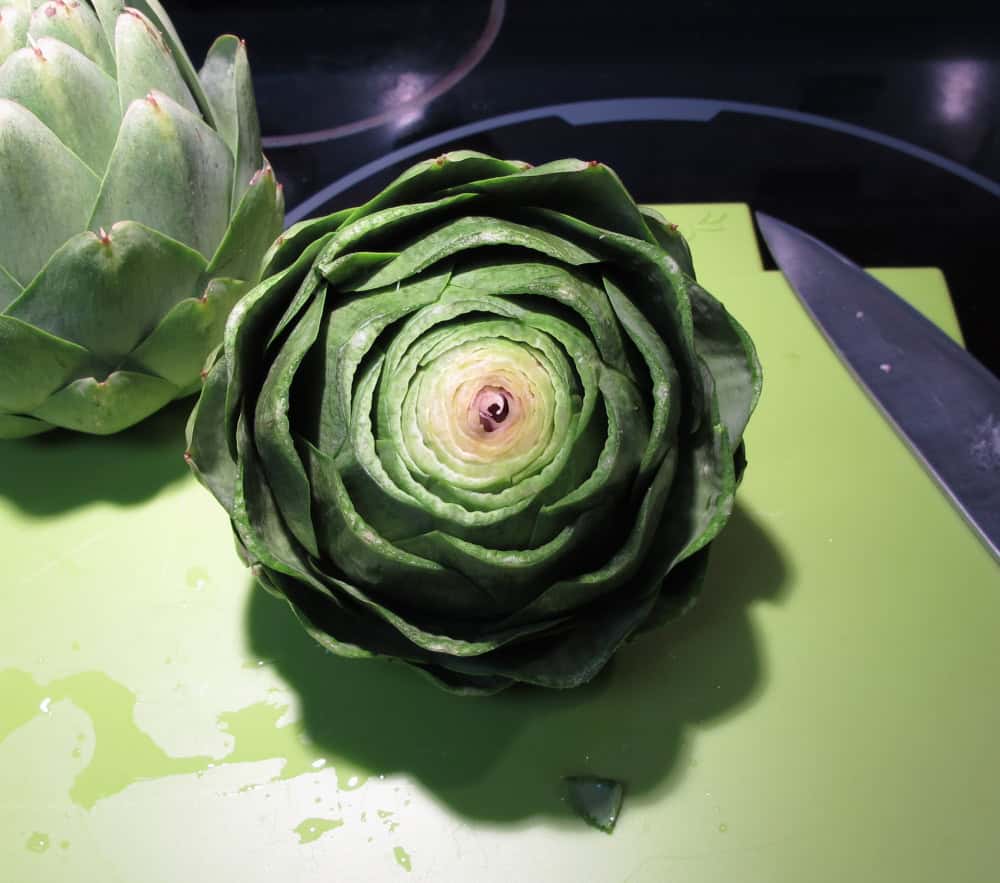
Learning how to grow frozen vegetables is one of the smartest moves you can make as a gardener! I’m talking about growing the same varieties that end up in those freezer bags at the grocery store. These crops are specifically bred to handle processing and freezing while keeping their flavor and nutrition intact. How to Grow Frozen Vegetables is a popular choice for gardeners.
The best part about growing frozen vegetable varieties is that they’re often more forgiving than their fresh-market cousins. They’re bred to be sturdy and productive, which means they can handle a little neglect while still giving you a great harvest. Plus, you’ll save money and know exactly what went into growing your food.
Best Frozen Vegetables to Grow in Your Garden
When I first started learning how to grow frozen vegetables, I was amazed at how many options there are. Peas are probably the easiest place to start because they practically grow themselves. I plant sugar snap peas and English peas in my Florida garden during our cooler months, and they produce like crazy.
Green beans are another fantastic choice for beginners. Bush varieties like ‘Provider’ and ‘Blue Lake’ are perfect because they produce all at once, making it easy to harvest and freeze a big batch. I love that I don’t have to worry about staggered harvesting like with fresh eating varieties.
Broccoli and cauliflower work wonderfully too, though they need cooler weather. In Florida, I plant these in late fall for winter harvest. The heads freeze beautifully and taste so much better than store-bought frozen versions. Brussels sprouts are also excellent for freezing, and they actually get sweeter after a light frost.
Corn is probably my favorite frozen vegetable to grow. Sweet corn varieties like ‘Honey Select’ and ‘Silver Queen’ freeze incredibly well. There’s nothing like having your own frozen corn in the middle of summer when fresh corn season is long over.
How to Grow Frozen Vegetables Successfully
Also read: How to Grow Basil Indoors
The key to success when you grow frozen vegetables is timing your plantings right. Most of these crops prefer cooler weather, so I plant them in fall and early spring here in Florida. Northern gardeners have the advantage of cooler summers, but we can grow these beauties during our mild winters.
Soil preparation is super important for good yields. I always work in plenty of compost before planting because these vegetables are heavy feeders. They need rich, well-draining soil to produce the big harvests you want for freezing. I also add a balanced fertilizer at planting time.
Spacing matters more than you might think. When growing for freezing, you want maximum production, so don’t be tempted to crowd plants together. Give them the space they need to develop fully. Overcrowded plants produce smaller, less flavorful vegetables that don’t freeze as well.
Water consistently but don’t overdo it. Most of these crops like about an inch of water per week. I use drip irrigation or soaker hoses to keep the water off the leaves, which helps prevent disease problems that can ruin your harvest.
Growing Frozen Vegetables: Harvest and Processing Tips
Timing your harvest is critical when you’re planning to freeze vegetables. Most frozen vegetable varieties are best harvested slightly underripe because they’ll continue cooking during the blanching process. I learned this the hard way when my first batch of frozen broccoli turned to mush!
Harvest in the morning when temperatures are cool and plants are well-hydrated. This gives you the best texture and flavor in your frozen vegetables. I always bring a cooler with ice packs to the garden to keep everything crisp until I can get it processed.
The blanching process is where the magic happens. Blanching vegetables before freezing stops enzyme action that would otherwise cause loss of flavor, color, and texture. Each vegetable has a specific blanching time, so don’t guess on this step.
Cool everything down quickly in ice water after blanching. I use a big bowl of ice water and change it out as needed. Once the vegetables are completely cool, drain them well and pack them into freezer bags or containers. Remove as much air as possible to prevent freezer burn.
Common Mistakes and Florida-Specific Tips
The biggest mistake I see people make is trying to grow these crops during the wrong season. In Florida, our hot, humid summers are terrible for most frozen vegetable varieties. I stick to fall, winter, and early spring plantings for the best results.
Pest management is huge here in Florida. Cabbage worms love broccoli and cauliflower, while bean beetles can destroy your green bean harvest. I use row covers early in the season and hand-pick pests when I see them. Bt spray works great for caterpillars if you need something stronger.
Don’t plant everything at once unless you have a lot of freezer space and time for processing. I learned this lesson when I had 20 heads of broccoli ready at the same time! Now I stagger my plantings by a week or two to spread out the harvest.
Another common mistake is harvesting too late. Overripe vegetables don’t freeze well and often become mushy or bitter. Check your plants daily once they start producing, especially in warm weather when things mature quickly.
Growing your own frozen vegetables is incredibly rewarding and surprisingly easy once you get the hang of it. You’ll have delicious, nutritious vegetables all year long, and you’ll save money compared to buying frozen vegetables at the store. Start with just one or two varieties this season and expand from there as you gain confidence.
The satisfaction of opening your freezer and seeing bags of vegetables you grew yourself is hard to beat. Plus, you’ll know exactly how they were grown and what went into producing them, which gives you peace of mind that store-bought frozen vegetables just can’t match.
