

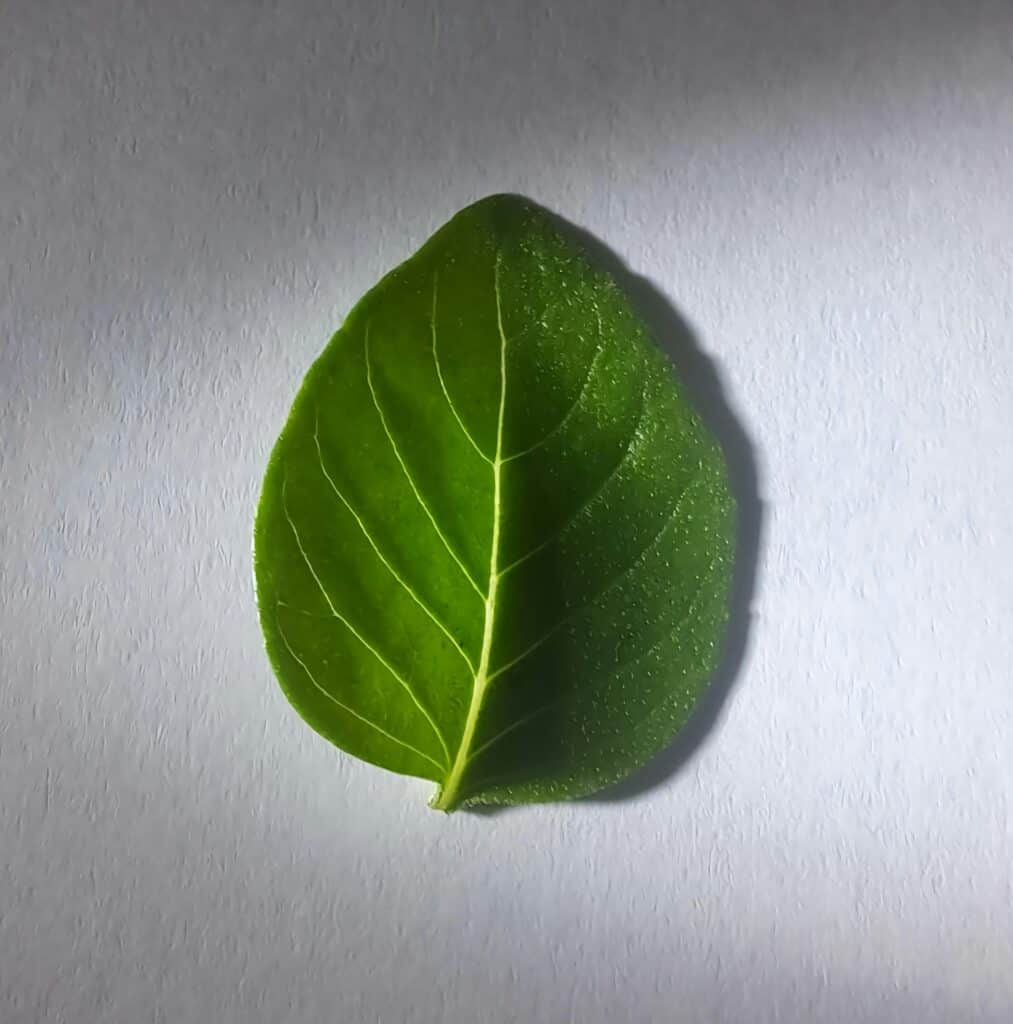
Learning how to grow basil indoors is one of the best decisions you can make as a home gardener! I started growing basil on my kitchen windowsill about five years ago, and now I can’t imagine cooking without fresh basil leaves just steps away from my stove. There’s nothing quite like pinching off a few aromatic leaves for your homemade pizza or pasta sauce. The best part? Basil is incredibly forgiving and grows fast, so you’ll see results in just a few weeks. Whether you’re dealing with Florida’s intense summer heat (like me) or cold winters up north, growing basil indoors gives you fresh herbs year-round. Plus, your kitchen will smell absolutely amazing every time you brush against those fragrant leaves! How to Grow Basil Indoors is a popular choice for gardeners.
Getting Started with Indoor Basil Growing
The first step in how to grow basil indoors successfully is choosing the right variety and setup. I always recommend starting with Genovese basil if you’re a beginner because it’s the most reliable and has that classic basil flavor we all love. You can start from seeds or buy small plants from the garden center. I’ll be honest, when I first started, I went with seedlings because I was impatient and wanted basil immediately!
Your basil needs a pot that’s at least 6 inches deep with drainage holes. I learned this the hard way when my first basil plant died from soggy roots in a decorative pot without drainage. Now I use regular terra cotta pots or plastic containers with saucers underneath. Fill your pot with good quality potting mix, not garden soil, which can be too heavy and doesn’t drain well indoors.
Location is everything for indoor basil. These plants are sun lovers and need at least 6 hours of bright light daily. I keep mine on my south-facing kitchen windowsill where they get morning and afternoon sun. If you don’t have a sunny window, don’t worry! LED grow lights work great for herbs and are much more energy-efficient than they used to be. Position the lights about 6 inches above your plants and run them for 12-14 hours daily.
Daily Care for Your Indoor Basil Plants
Also read: Growing Purple Shamrock Success!
Once you’ve got your setup right, caring for indoor basil becomes pretty straightforward. The key is consistency with watering and not overthinking things. I check my basil plants every morning when I make coffee, and you’ll quickly develop a routine too.
Watering is where most people mess up, myself included in the beginning. Basil likes consistently moist soil but not waterlogged conditions. I use the finger test – stick your finger about an inch into the soil, and if it feels dry, it’s time to water. In my Florida home with air conditioning running constantly, I usually water every 2-3 days. Water thoroughly until you see it draining from the bottom holes, then empty the saucer after 30 minutes so the roots don’t sit in standing water.
Temperature matters more than you might think. Basil is a warm-weather plant that gets stressed in temperatures below 50°F or above 90°F. Inside, this usually isn’t a problem, but keep your plants away from air conditioning vents and heating units. I made the mistake of putting a plant near my AC vent once, and the poor thing looked miserable with droopy, yellowing leaves.
Humidity can be tricky, especially here in Florida where we run AC constantly. Basil prefers humidity around 40-60%, but most homes are drier. I group my herb plants together on a tray with pebbles and a little water to create a humid microclimate. It’s simple but really helps, especially during winter when indoor air gets super dry.
How to Grow Basil Indoors for Maximum Harvest
This is where growing basil indoors gets really fun – the harvesting! The secret to keeping your basil plants productive is regular pinching and harvesting. I know it feels scary to cut your beautiful plant, but trust me, basil actually grows better when you harvest it frequently.
Start pinching leaves when your plant is about 6 inches tall. Always pinch or cut just above a set of leaves, and the plant will branch out from that point, giving you more stems and more basil. I harvest from the top down, which encourages bushy growth instead of tall, leggy plants. Never take more than one-third of the plant at once, though. I learned this lesson when I got overzealous and nearly killed a plant by harvesting too much at once!
Watch for flower buds and pinch them off immediately. Once basil flowers, the leaves become bitter and the plant stops producing new growth. I check my plants every few days and pinch off any flower spikes I see. The flowers are actually pretty, but you want to keep your plant focused on leaf production.
Fertilizing indoor basil is simple – I use a diluted liquid fertilizer every 2-3 weeks during the growing season. A balanced fertilizer works well for most herbs, but don’t overdo it. Too much fertilizer creates lots of leaves with weak flavor. I use about half the recommended strength because indoor plants don’t need as much nutrition as outdoor ones.
Troubleshooting Common Problems
Even with the best care, you’ll probably run into some issues with your indoor basil. Don’t get discouraged – I’ve made every mistake in the book, and my plants still thrive!
Yellowing leaves usually mean overwatering or poor drainage. If the soil feels soggy and smells sour, you’ve got root rot starting. I’ve saved plants by repotting them in fresh, dry soil and cutting back on watering. Sometimes you have to trim off the damaged roots, but basil is surprisingly resilient.
Leggy, stretched-out plants mean your basil isn’t getting enough light. This happens a lot in winter or if your plant is too far from the window. Move it closer to your light source or add a grow light. I also pinch the growing tips more frequently to encourage branching instead of vertical growth.
Pests can be annoying but aren’t usually serious indoors. I occasionally get aphids or spider mites, especially during our hot Florida summers when I move plants between inside and outside. A gentle spray with soapy water usually takes care of small infestations. Check the undersides of leaves regularly – that’s where pests like to hide.
Droopy leaves can mean several things: underwatering, overwatering, or temperature stress. Feel the soil first, check the temperature around your plant, and adjust accordingly. I’ve found that basil is pretty good at bouncing back once you fix the underlying problem.
Growing basil indoors has become one of my favorite gardening activities because it’s so rewarding and relatively foolproof once you get the hang of it. The smell of fresh basil in my kitchen makes cooking so much more enjoyable, and I love being able to add fresh herbs to meals year-round. Don’t be afraid to experiment with different varieties once you master the basics – I’m currently growing lemon basil and Thai basil alongside my regular Genovese, and each one brings something special to my cooking. Remember, every gardener kills a few plants while learning, so don’t get discouraged if your first attempt doesn’t go perfectly. With a little practice, you’ll be growing gorgeous, flavorful basil indoors like a pro!
