

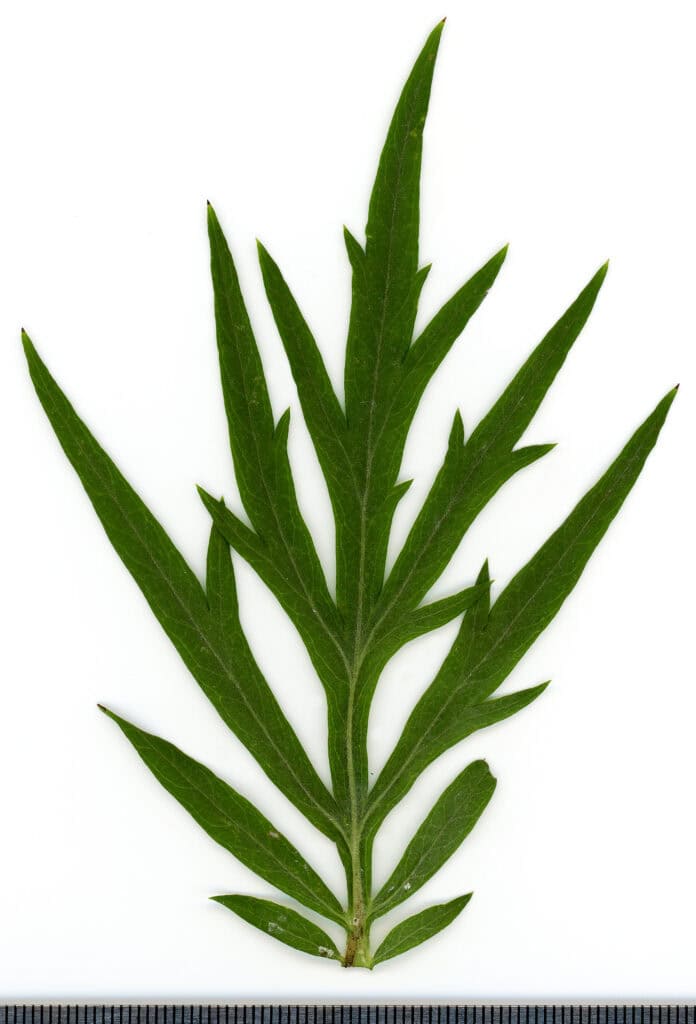
If you’ve been curious about how to grow Artemisia Vulgaris, you’re in for a fun ride with this fascinating herb! Also called mugwort, this silvery-leafed plant has been used in gardens for centuries and honestly looks gorgeous as a backdrop for other plants. I first spotted it at a local plant swap here in Florida and immediately had to try it in my own garden. How to Grow Artemisia Vulgaris is a popular choice for gardeners.
What I love most about mugwort is how tough it is. It can handle conditions that would make other plants throw a fit, which makes it a great choice if you’re still building your gardening confidence.
What You Need to Know Before You Grow Artemisia Vulgaris
Before you get started, there’s one thing I want to be upfront about: mugwort is a vigorous grower. Like, really vigorous. The USDA actually lists Artemisia Vulgaris as an invasive species in many parts of the United States, so you’ll want to plan ahead for containment.
I learned this the hard way when my first patch started creeping into my neighbor’s yard. Now I always grow it in containers or use root barriers if I’m planting in the ground. It spreads through underground rhizomes, which are basically sneaky little roots that travel sideways under the soil.
That said, don’t let that scare you off completely! Grown responsibly, mugwort is a beautiful and useful herb. Just go in with a plan and you’ll be totally fine.
The plant grows in USDA zones 3 through 9, which means here in Florida (zones 8 through 11), those of us in the northern part of the state can grow it more easily than those down south. In South Florida’s intense heat and humidity, it tends to struggle, so keep that in mind if you’re in Miami or the Keys.
How to Grow Artemisia Vulgaris: Soil, Sun, and Water
Related article: How to Grow Ground Cherries (Physalis Pruinosa): the Complete Home Gardener’s Guide
Mugwort is honestly one of the least fussy plants I’ve ever grown when it comes to soil. It’s happy in poor, dry, or average soil and doesn’t need you to amend it with tons of compost or fertilizer. Rich, overly fertilized soil actually makes it grow even MORE aggressively, so skip the extra feeding.
For sunlight, aim for full sun to partial shade. I’ve had great results giving it about 6 hours of direct sun per day. In Florida’s brutal summer heat, a little afternoon shade actually helps keep it from getting too stressed out.
Watering is where a lot of beginners overthink things. Mugwort is drought-tolerant once it gets established, which usually takes a few weeks after planting. I water mine deeply once or twice a week during dry spells and then basically leave it alone. If you’re growing it in a container (which I strongly recommend for Florida gardeners!), check the soil every few days since pots dry out faster than garden beds.
Don’t overwater. Soggy soil is about the only thing that will actually make this plant unhappy. If you see yellowing leaves, chances are the roots are sitting in too much moisture.
Planting and Growing Artemisia Vulgaris From Scratch
You can start mugwort from seeds, divisions, or cuttings, and all three methods work well. I personally prefer starting with a division or a small plant from a nursery because it’s faster and easier, especially for beginners. Seeds can be a little slow to germinate and need a cold stratification period to sprout well.
If you’re planting from seed, mugwort seeds need light to germinate, so don’t cover them with soil. Just press them gently onto the surface of moist potting mix and keep them in a warm, bright spot. You should see sprouts within two to three weeks.
For divisions, dig up a clump in early spring, separate the roots into smaller sections, and replant them right away. This is the easiest way to get a new plant going fast. Space plants about 18 to 24 inches apart if you’re planting multiple.
In Florida, the best time to plant is in early spring or fall when temperatures are cooler. Planting in the middle of summer means your new plant is fighting the heat right from the start, and that’s just not a fair fight.
Keeping Mugwort Happy and Under Control
Once your mugwort is established, it pretty much takes care of itself. The main job you’ll have is keeping it from taking over your entire garden. I trim mine back hard at least twice a year, which keeps it looking tidy and slows down the spreading.
If you’re growing in a container, repot every year or two when the roots start pushing out of the drainage holes. Use a well-draining potting mix and a pot that’s at least 12 inches deep to give the roots room to grow. I like using a sturdy terracotta pot because it helps wick away excess moisture.
Mugwort doesn’t have many pest problems, which is one of the reasons I love it. The strong scent actually helps deter some insects. In Florida, watch out for fungal issues during our super humid rainy season. Good air circulation around the plant helps a lot, so don’t crowd it in with other plants.
One more tip: cut the plants back before they flower if you want to prevent self-seeding. The seeds spread easily, and you really don’t want surprise mugwort popping up all over your yard. Deadheading regularly keeps things manageable.
Learning how to grow Artemisia Vulgaris is honestly pretty straightforward once you understand its personality. It wants to grow, it wants to spread, and your job is just to give it good sunlight, decent drainage, and a little guidance.
If you’re a beginner looking for a low-maintenance herb that looks great and actually thrives with minimal fuss, mugwort is worth trying. Just remember to contain it, and you’ll have a happy, healthy plant for years to come!
