

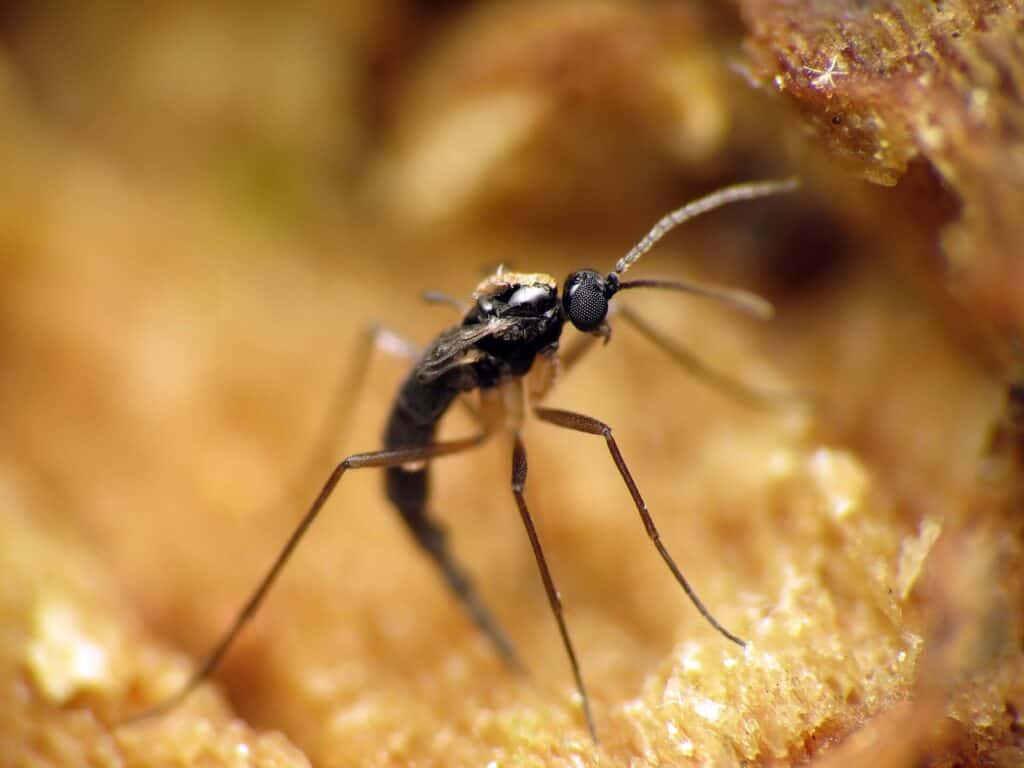
If you’ve ever wondered how to get rid of fungus gnats in houseplants, you are definitely not alone. I’ve been there, standing in my living room watching tiny little flies swarm out of my favorite pothos every time I watered it. It’s honestly one of the most frustrating things that can happen to an indoor plant lover! How to Get Rid of Fungus Gnats in Houseplants is a popular choice for gardeners.
The good news is that fungus gnats are more annoying than truly dangerous, and getting rid of them is totally doable. Once you understand why they show up in the first place, you can knock them out for good.
Why Fungus Gnats Show Up in Your Houseplants
Fungus gnats love wet soil. That’s really the heart of the whole problem. The adult gnats lay their eggs in moist potting mix, and the larvae hatch and feed on the organic matter and fungi in the soil. Sometimes they’ll even nibble on plant roots, which can stress out younger or smaller plants.
Here in Florida, our humidity makes this problem extra sneaky. Our indoor air is already pretty damp, which means soil takes longer to dry out between waterings. I’ve noticed my houseplants are way more prone to fungus gnats during our rainy season from June through September, when everything just stays wet longer.
The adults are those tiny dark flies you see hovering around the soil or flying up when you disturb the pot. They don’t bite, but they’re super annoying. The real damage happens underground where the larvae are living.
Overwatering is the number one reason most people end up with a fungus gnat problem. If you’re watering on a set schedule instead of checking the soil first, that’s probably what’s inviting them in.
How to Get Rid of Fungus Gnats in Houseplants Fast
Also read: How to Care for Monstera Thai Constellation: the Complete Indoor Growing Guide
The very first thing I do when I spot fungus gnats is let the soil dry out completely before watering again. This sounds simple, but it works really well because the larvae can’t survive without moisture. I use the finger test every single time now – I stick my finger about two inches into the soil, and I only water if it feels dry at that depth.
Yellow sticky traps are your best friend for catching the adult gnats. You just poke them into the soil near the plant, and the adults fly right into them. They won’t solve the whole problem on their own, but they cut down the adult population fast and help you see how bad the infestation actually is.
For the larvae in the soil, I love using a product called Bacillus thuringiensis var. israelensis, which you’ll find sold as Mosquito Dunks or Gnatrol. It’s a natural bacteria that kills the larvae without harming your plants, pets, or you. You just mix it with water and use it to water your plants. The University of Florida’s IFAS Extension has great info on using biological controls safely, which I always recommend checking out.
Another option I’ve used with great results is hydrogen peroxide. Mix one part 3% hydrogen peroxide with four parts water and drench the soil. It kills larvae on contact and breaks down quickly without leaving anything harmful behind.
Preventing Fungus Gnats From Coming Back to Your Houseplants
Once you’ve cleared up an infestation, the last thing you want is for them to come right back. The best prevention is honestly just better watering habits. Let your soil dry out more between waterings, and always check before you water instead of going by the calendar.
Switching up your potting mix can also make a big difference. Regular potting soil holds a lot of moisture, which fungus gnats love. I like adding perlite to my mix to improve drainage and help the soil dry faster. A ratio of about 70% potting mix to 30% perlite works really well for most houseplants.
You can also top-dress your pots with a layer of coarse sand or fine gravel. This creates a dry barrier on top of the soil that makes it harder for adult gnats to lay eggs. It looks nice too, which is a bonus!
Michigan State University Extension has a helpful breakdown of the fungus gnat life cycle that really helped me understand why breaking the cycle at multiple stages is so important. Tackling just the adults or just the larvae won’t give you lasting results.
When to Try Stronger Treatments for Stubborn Infestations
Sometimes you do everything right and the gnats just keep coming back. If that’s happening to you, don’t get discouraged! A really stubborn infestation might need a soil drench with neem oil. Mix about two tablespoons of neem oil with a gallon of water and a few drops of dish soap, then water your plant with it. Neem oil disrupts the life cycle of the larvae and works as a natural pesticide.
If the infestation is really severe, you might want to consider repotting entirely. Take the plant out, shake off as much old soil as you can, and pot it up in fresh mix with good drainage. I’ve had to do this with a few plants over the years, and while it’s a bit of a project, it really does reset everything.
For really tough cases, you can also look for a systemic insecticide labeled for fungus gnats, but I always try the natural methods first. Most of the time, the sticky traps plus drying out the soil plus a hydrogen peroxide drench will do the trick without needing anything stronger.
Just make sure you’re treating all your plants, not just the one that looks affected. Fungus gnats move around easily, and chances are if one plant has them, the others are at risk too.
Getting your plants back to a healthy, gnat-free state feels so satisfying once you get there! Learning how to get rid of fungus gnats in houseplants is really just about understanding their life cycle and cutting off what they need to survive. Stick with it and you’ll get there.
I know dealing with pests can feel overwhelming, but I promise you can handle this. Knowing how to get rid of fungus gnats in houseplants is a skill every plant parent picks up eventually, and once you’ve done it once, you’ll know exactly what to do if they ever show up again. You’ve totally got this!
