

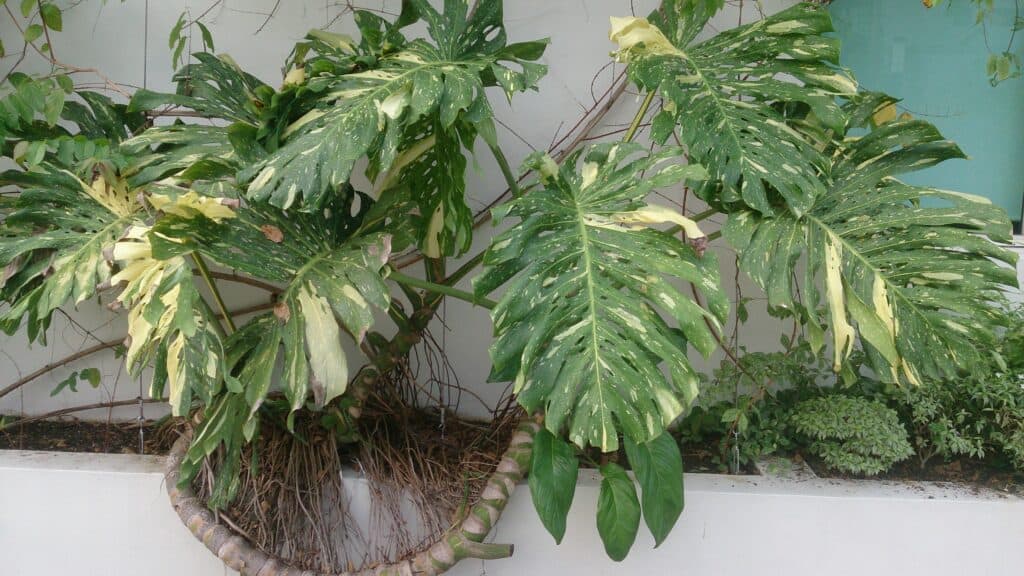
If you’ve been wondering how to care for Monstera Thai Constellation: light, watering, and variegation tips included, you’ve come to the right place! I got my first Thai Constellation a couple of years ago and honestly fell head over heels for it. Those creamy white splashes on dark green leaves are just gorgeous, and I love showing it off in my living room. How to Care for Monstera Thai Constellation: Light, Watering, and Variegation Tips is a popular choice for gardeners.
The Thai Constellation is a lab-cultivated variety of the classic Monstera deliciosa, and its variegation is stable, which means it won’t revert to solid green the way some other variegated plants can. That’s one of the biggest reasons I think it’s worth every penny, even though it does cost more than your average houseplant.
How to Care for Monstera Thai Constellation: Getting the Light Right
Light is honestly the most important thing to get right with this plant. When I first brought mine home, I put it too close to a south-facing window and the leaves started looking washed out. I learned pretty quickly that bright, indirect light is the sweet spot.
You want to aim for a spot that gets plenty of light but stays out of direct sun for most of the day. A few feet back from a bright window works really well. East-facing windows are actually my favorite option because the morning sun is gentle and the plant gets good light without the harsh afternoon rays.
Here in Florida, our sun is seriously intense, especially from spring through fall. If you’re keeping your Thai Constellation near a window, a sheer curtain can make a big difference. It softens the light just enough to keep those beautiful leaves from getting scorched.
One thing I want to mention is that variegated sections of the leaves have less chlorophyll than the green parts. That means they’re a little more sensitive to strong light. Keeping the light bright but indirect protects those creamy patches and helps the whole plant stay healthy and happy.
Watering Tips for Monstera Thai Constellation Care
Also read: How to Grow English Lavender (lavandula Angustifolia) for Drought-tolerant Gardens
Watering is where a lot of people run into trouble with this plant, and I totally get it. I overwatered mine for the first month and noticed the lower leaves starting to yellow. Once I adjusted my routine, the plant bounced right back.
The best approach is to let the top two inches of soil dry out before you water again. I just stick my finger into the soil, and if it still feels damp, I wait a few more days. It’s simple and it works way better than watering on a fixed schedule.
When you do water, water thoroughly until it drains out the bottom of the pot. Then empty the saucer so the roots aren’t sitting in standing water. Root rot is a real problem with Monsteras, and soggy soil is the main cause.
In Florida’s humid summers, I actually water my Thai Constellation less often than I do in winter. The air here holds so much moisture that the soil just doesn’t dry out as fast. Pay attention to your specific conditions rather than following a one-size-fits-all schedule. Your plant will tell you what it needs if you watch closely.
Variegation Tips: Keeping Those Beautiful Markings Bright
The variegation on a Thai Constellation is what makes it so special, and the good news is that it’s genetically stable. Unlike the Monstera albo, you don’t have to worry as much about it reverting to solid green. But there are still things you can do to keep those markings looking their best.
Good light is the biggest factor. When the plant doesn’t get enough light, it tends to produce leaves with less variegation over time. Keeping it in bright, indirect light encourages those creamy splashes to stay vibrant and well-distributed across new leaves.
Fertilizing also plays a role. I use a balanced liquid fertilizer about once a month during spring and summer. A well-fed plant produces healthier leaves, and healthier leaves tend to show off better variegation. I skip fertilizing in fall and winter when growth naturally slows down.
If you want to learn more about how variegation works in plants, Wikipedia has a great overview of plant variegation that explains the science in a really approachable way. It helped me understand why my Thai Constellation behaves the way it does!
Soil, Humidity, and Other Care Essentials
Beyond light and water, getting the soil right makes a huge difference. Thai Constellations need a mix that drains well but still holds a little moisture. I use a combination of potting mix, perlite, and a small amount of orchid bark. It keeps the roots aerated and prevents the soggy conditions that cause rot.
Humidity is something Florida gardeners don’t have to worry about as much as folks in drier climates. Our natural humidity levels are usually high enough to keep this plant happy. If you’re in a drier part of the country, a humidifier or a pebble tray with water nearby can help a lot.
These plants also love to climb. I added a moss pole to my Thai Constellation’s pot and the growth really took off after that. As the plant climbs, the leaves get bigger and develop more of those gorgeous fenestrations (the natural holes and splits that Monsteras are famous for). For more details on Monstera care in general, the University of Florida IFAS Gardening Solutions site has some helpful tropical plant resources worth checking out.
Repot your Thai Constellation every one to two years, or when you see roots poking out of the drainage holes. Go up just one pot size at a time so the plant doesn’t sit in too much soil, which can hold excess moisture and cause problems.
Learning how to care for Monstera Thai Constellation: light, watering, and variegation tips are really the core of keeping this plant thriving. Once you nail those basics, everything else falls into place pretty naturally. It’s one of those plants that rewards you when you pay attention to it.
If you’re just starting out with this plant, don’t stress too much! I made plenty of mistakes with mine and it’s still going strong. With a little patience and the right conditions, your Thai Constellation will grow into something truly stunning. You’ve totally got this!
