

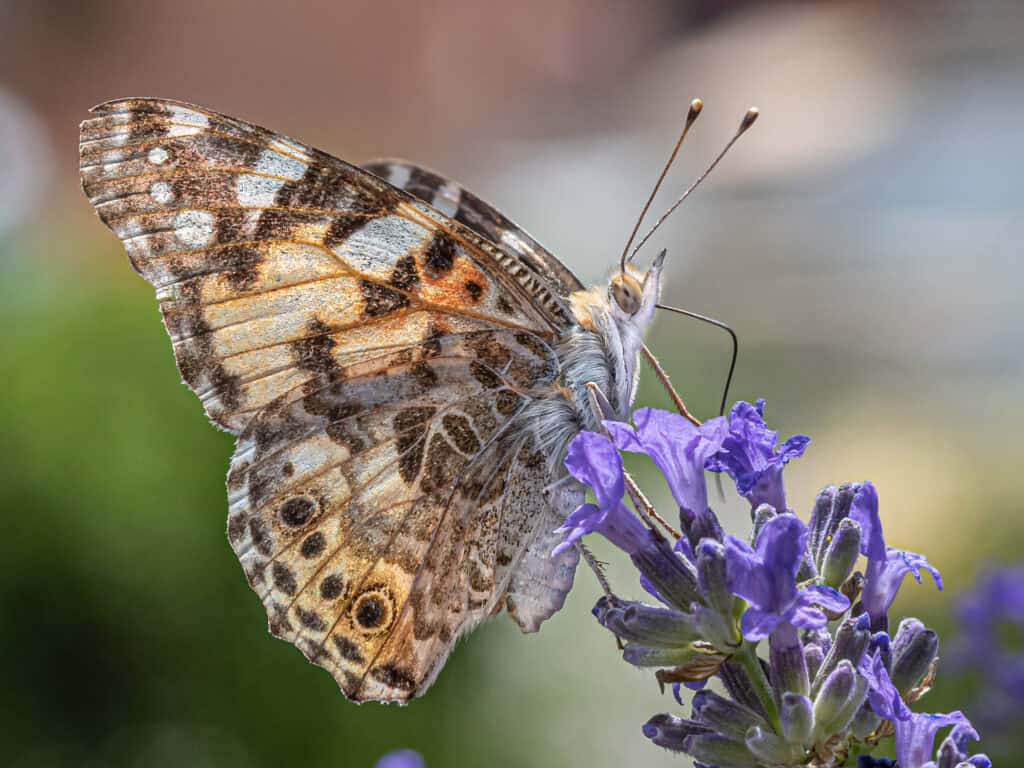
Learning how to grow English lavender (lavandula angustifolia) for drought-tolerant gardens has been one of my favorite gardening discoveries! This gorgeous herb produces those classic purple flower spikes we all love while using incredibly little water once established. I’ve been growing different lavender varieties in my Florida garden for years, and English lavender remains my top pick for beginners. How to Grow English Lavender (lavandula Angustifolia) for Drought-tolerant Gardens is a popular choice for gardeners.
English lavender is perfect for water-wise gardening because it actually prefers dry conditions over wet soil. The silvery-green foliage looks beautiful year-round, and the flowers attract butterflies and bees like crazy. Plus, you can harvest the blooms for cooking, crafts, or just enjoying that amazing scent!
Getting Started with English Lavender in Drought-Tolerant Gardens
When I first started growing English lavender, I made the mistake of treating it like my other garden plants. I watered it regularly and planted it in rich, moisture-retentive soil. Big mistake! The poor thing struggled and barely flowered.
English lavender comes from the Mediterranean, where summers are hot and dry. It’s naturally adapted to sandy, well-draining soil with very little organic matter. In fact, soil that’s too rich will make your lavender produce lots of leaves but fewer flowers.
The key to success is choosing the right location and preparing the soil properly. I always plant my English lavender in the sunniest spot I can find, with at least 6-8 hours of direct sunlight daily. Morning sun is especially important because it helps dry any moisture from the leaves quickly.
For soil preparation, I mix in coarse sand or perlite to improve drainage. If you have clay soil like some areas here in Florida, consider planting in raised beds or containers. The roots absolutely cannot sit in wet soil, or they’ll rot faster than you can say “lavender lemonade!”
Essential Care Tips for Growing English Lavender Successfully
Also read: How to Start a Vertical Garden Indoors
Once your English lavender is established (usually after the first growing season), it becomes incredibly low-maintenance. During the first year, I water mine about once a week during dry spells, but after that, I rarely water unless we’re having an unusually long drought.
The secret is deep, infrequent watering rather than frequent shallow watering. When I do water, I give the plants a really good drink, then let the soil dry out completely before watering again. This encourages the roots to grow deep and makes the plant more drought-tolerant.
Fertilizing is another area where less is definitely more. I learned this the hard way when I over-fertilized my first lavender plants and ended up with huge, floppy bushes that barely bloomed. Now I either skip fertilizer entirely or use a light application of balanced fertilizer once in early spring.
Pruning is probably the most important care task for English lavender. I prune mine twice a year – once in early spring before new growth starts, and again after the first flush of flowers fades. This keeps the plants compact and encourages more blooms throughout the growing season.
Best Planting Practices for English Lavender in Hot Climates
Here in Florida, timing your planting is really important for English lavender success. I always plant in fall or early spring when temperatures are cooler and there’s less stress on the plants. Fall planting gives the roots time to establish before summer heat arrives.
Spacing is another crucial factor that many beginners overlook. English lavender needs good air circulation to prevent fungal problems, especially in humid climates. I space my plants at least 2-3 feet apart, even though they look sparse at first. Trust me, they’ll fill in quickly!
Container growing works wonderfully for English lavender, especially if you have heavy clay soil or want to move plants around. I use terracotta or ceramic pots because they breathe better than plastic. Make sure your containers have drainage holes and use a well-draining potting mix designed for herbs or vegetables.
One thing I’ve noticed in hot climates is that English lavender benefits from some afternoon shade during the hottest part of summer. While it needs full sun to bloom well, a little protection from intense afternoon heat (especially in zones 9-11) helps prevent stress and keeps the plants looking their best.
Common Mistakes and Troubleshooting Tips
The biggest mistake I see people make with English lavender is overwatering. I get it – we want to take good care of our plants! But lavender interprets too much water as a threat, and the plants respond by getting leggy, producing fewer flowers, or developing root rot.
If your lavender looks pale and isn’t flowering well, check your soil drainage first. Dig a small hole next to the plant and fill it with water. If water sits there for more than a few hours, you need to improve drainage or move the plant to a better location.
Another common issue is planting English lavender in shade or partial shade. I’ve tried this hoping to extend the growing season, but it never works well. Research shows that lavender needs full sun to produce the essential oils that give it that amazing fragrance and help it resist pests.
Humidity can be challenging for English lavender, especially during summer in the Southeast. Good air circulation becomes even more important in humid conditions. I make sure my plants aren’t crowded and sometimes use a small fan in my greenhouse to keep air moving around container plants.
If you’re having trouble getting your lavender to bloom, try cutting back on water and fertilizer. Sometimes we kill plants with kindness! A slightly stressed lavender plant often produces more flowers than a pampered one.
Growing English lavender for drought-tolerant gardens has taught me that sometimes the best care is the least care. These tough little plants reward neglect with gorgeous flowers and incredible fragrance. Once you get the hang of their preferences, you’ll wonder why you ever struggled with thirsty plants that need constant attention!
Start with one or two plants to get a feel for how to grow English lavender in your specific conditions. Before you know it, you’ll be planning whole lavender borders and sharing cuttings with all your gardening friends!
