

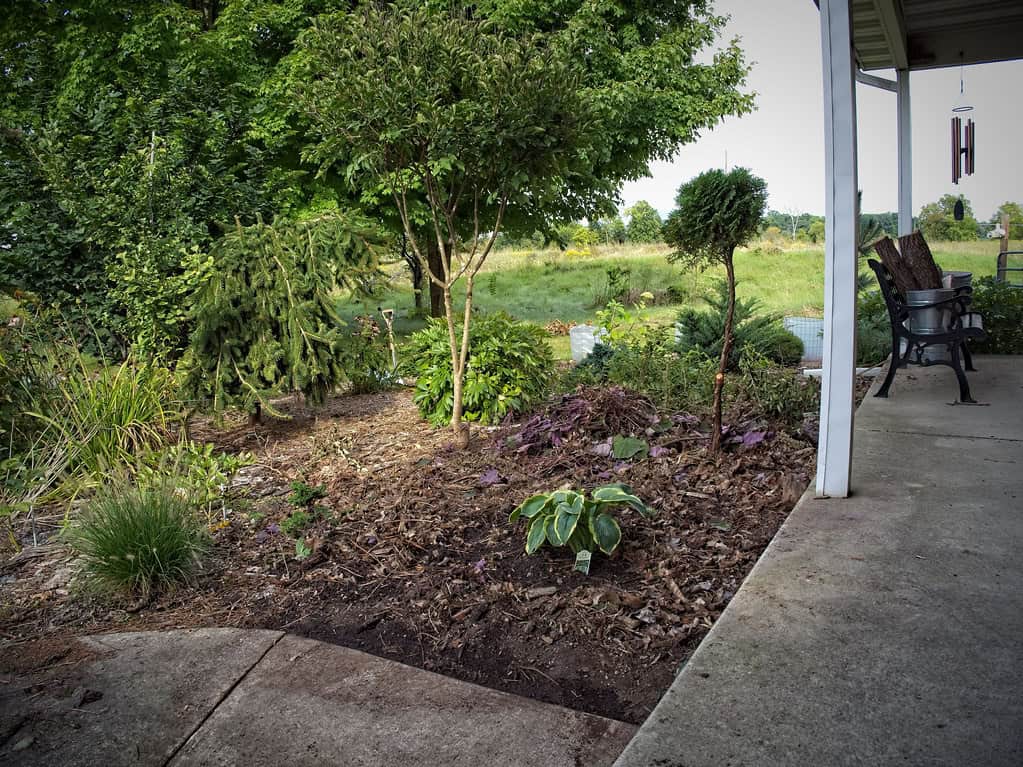
Growing Hostas in Deep Shade: the Complete Guide is something I wish I’d had when I first tried to brighten up the dark corner under my big live oak tree. I planted some cheerful annuals there, watched them struggle for a season, and finally gave up. Then a neighbor suggested hostas, and honestly, it changed everything for me. Growing Hostas in Deep Shade: the Complete Guide is a popular choice for gardeners.
Hostas are one of those plants that actually prefer being tucked away from the sun. While most of us are out here fighting for the sunny spots in our yards, hostas are quietly thriving in the shadiest corners and loving every minute of it.
Growing Hostas in Deep Shade: What These Plants Actually Need
Let’s start with the basics, because hostas are a little different from most plants you might be used to growing. They’re perennials, which means they come back year after year, and they’re famous for tolerating shade that would make most plants give up completely.
Deep shade means less than two hours of direct sunlight per day. Hostas can absolutely handle that, and some varieties actually look better for it. The ones with darker green or blue-tinted leaves tend to do especially well in very low light. Lighter or yellow-leaved varieties need just a little more light to keep their color looking vibrant.
The soil is where a lot of people go wrong. Hostas want rich, well-draining soil with plenty of organic matter mixed in. I always add compost when I’m planting mine, and it makes a huge difference. They don’t like sitting in soggy soil, so if your shady spot tends to collect water, mix in some compost or coarse material to help with drainage.
You can check out the University of Wisconsin Extension’s hosta guide for a really solid breakdown of soil requirements if you want to get into the details.
Growing Hostas in Deep Shade: My Watering and Feeding Tips
Related article: How to Grow Strawberries
Watering hostas in deep shade is actually pretty forgiving compared to sun-loving plants. Because they’re not baking in direct sunlight, the soil stays moist longer. I check mine by poking a finger about an inch into the soil, and I only water when it feels dry at that depth.
That said, don’t ignore them completely! During dry spells, even shady spots can dry out faster than you’d expect. I aim to water deeply about once a week in summer and cut back in fall and winter when the plants slow down.
For feeding, hostas aren’t heavy feeders, but they do appreciate a boost in spring when new growth is coming in. I use a balanced slow-release granular fertilizer once in early spring and that’s usually enough. Avoid over-fertilizing because it can actually make the leaves look washed out and weird.
One thing I’ve noticed is that hostas in deep shade tend to grow a little slower than ones getting filtered light. That’s totally normal, so don’t panic if yours seem to take their time filling out.
Growing Hostas in Deep Shade in Florida: What You Need to Know
Okay, here’s where things get interesting for us Florida gardeners. Hostas are technically cold-hardy plants, and they go dormant in winter. In most of Florida, especially in zones 9-11, our winters aren’t cold enough to give hostas the chill hours they need to truly thrive long-term.
If you’re in northern Florida (zone 8), you actually have a decent shot at growing hostas as true perennials. I’ve seen some gorgeous hosta beds in the Tallahassee area. Further south, they tend to struggle more, especially in our hot, humid summers.
The good news is that deep shade actually helps in Florida because it keeps the plants cooler during our brutal summer heat. If you’re determined to try hostas in central or south Florida, pick a spot with consistent shade and really good airflow to help prevent fungal issues. The UF/IFAS Gardening Solutions site is a great resource for figuring out what works in your specific Florida zone.
I’ll be honest, I’ve had mixed results with hostas here in my part of Florida. Some summers they do great, and some summers they really struggle. But in a well-shaded spot with good soil, they’re worth trying!
Picking the Right Hosta Variety and Dealing With Pests
Not all hostas are created equal when it comes to deep shade performance. Blue-leaved varieties like ‘Halcyon’ and ‘Elegans’ are some of the best choices for really low-light spots. Their color actually develops better without much sun, and they tend to be pretty tough overall.
If you want something with a little more visual interest, look for variegated varieties with white or cream edges. Just know that these need slightly more light than the solid green or blue types to keep their contrast looking sharp.
Now, let’s talk about slugs, because if you grow hostas, you will meet slugs. They love munching holes in those beautiful leaves, especially in moist, shady spots. I use iron phosphate-based slug bait, which is safe around pets and kids. Sprinkling it around the base of the plants every few weeks during wet weather really helps keep them under control.
Deer are another issue if you have them in your area. There’s a common myth that deer won’t eat hostas, but they absolutely will if they’re hungry enough. A good deer repellent spray applied regularly is your best bet. You can learn more about common hosta pests through the American Hosta Society, which has tons of helpful information for growers at every level.
Growing hostas in deep shade is really one of the most rewarding things you can do with a tricky dark corner of your yard. Once they get established, they’re low-maintenance, beautiful, and they come back bigger and better each year.
I hope this guide gives you the confidence to give hostas a try! Whether you’re in northern Florida or somewhere with colder winters, there’s a way to make these plants work for you. Growing Hostas in Deep Shade: the Complete Guide is all about finding the right spot, giving them good soil, and letting them do their thing!
