

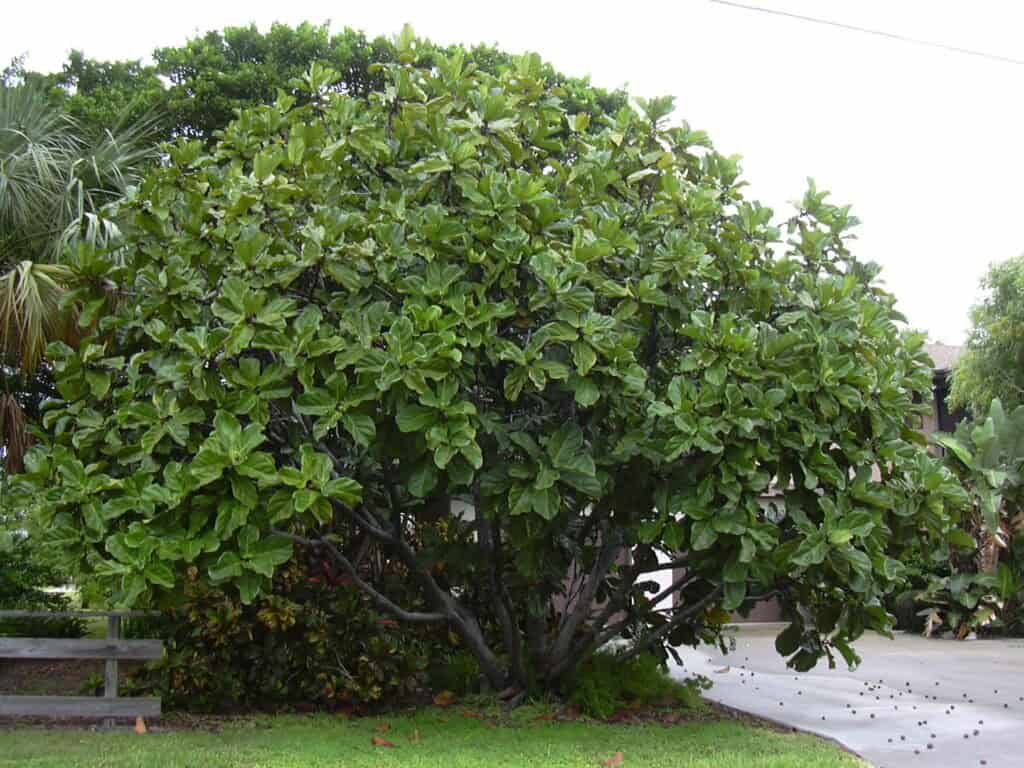
Fiddle leaf fig care is one of those topics that comes up constantly in my gardening community, and honestly, I get why! These plants are absolutely gorgeous with their big, glossy, violin-shaped leaves, and they look amazing in just about any room. But they also have a reputation for being a little dramatic, which scares a lot of people off before they even try.
I’m here to tell you that a fiddle leaf fig is totally manageable once you understand what it actually wants. It’s not about luck – it’s about knowing the right conditions and sticking to a routine. Let me share everything I’ve learned from growing mine here in Florida.
Getting the Light Right for Your Fiddle Leaf Fig
Fiddle leaf fig care starts with finding the perfect spot in your home, and light is the biggest piece of that puzzle. These plants love bright, indirect light. Think a spot near a big window where the sun comes in but doesn’t hit the leaves directly, because direct afternoon sun can actually scorch those beautiful leaves.
In Florida, our sun is seriously intense, especially in summer. I keep mine about three feet back from my south-facing window, and it’s thriving. If you live somewhere with less intense sunlight, you can move it a bit closer to the window.
One thing I learned the hard way is that fiddle leaf figs hate being moved around. Once you find a spot where it’s happy, leave it there! Every time I’ve relocated mine, it threw a little tantrum and dropped a few leaves. Just pick your spot carefully from the start and let it settle in.
You can learn more about how light affects tropical houseplants from the University of Florida IFAS Extension, which has fantastic resources for Florida gardeners specifically.
Fiddle Leaf Fig Care: Watering Without Overwatering
Related article: How to Grow Agapanthus Praecox
Watering is where most people go wrong with fiddle leaf figs, and I completely understand why. It feels like you should water regularly to keep a big plant happy, but these guys really don’t want to sit in soggy soil. Root rot is the number one killer, and it sneaks up on you fast.
I use the finger test every single time. I stick my finger about two inches into the soil, and if it still feels damp, I leave it alone. If it feels dry, I water thoroughly until water drains out the bottom of the pot. Simple as that!
During Florida summers, I water mine about once a week because the heat speeds up evaporation. In winter, I cut back to every ten days or so. Your watering schedule will depend on your home’s temperature and humidity, so always check the soil instead of following a strict calendar.
Make sure your pot has drainage holes. This is non-negotiable! A pot without drainage is basically a recipe for disaster, no matter how careful you are with watering.
Humidity, Fertilizing, and Fiddle Leaf Fig Care in Florida
Here’s one place where living in Florida is actually a big advantage. Fiddle leaf figs love humidity, and we’ve got plenty of it! They prefer humidity levels around 30-65%, and our Florida air naturally hovers in that range for most of the year. If you’re growing yours indoors with heavy air conditioning, though, you might want to run a small humidifier nearby or mist the leaves occasionally.
For fertilizing, I use a liquid fertilizer with a higher nitrogen content during the growing season, which runs from spring through early fall. I fertilize about once a month during that time. In winter, I skip it entirely because the plant isn’t actively growing and doesn’t need the extra nutrients.
Wiping down the leaves every few weeks is something I genuinely enjoy doing. It keeps the leaves dust-free so they can absorb light better, and it gives me a chance to check for pests up close. Spider mites and scale insects love fiddle leaf figs, so catching them early makes a huge difference.
You can find helpful general houseplant pest management tips on the integrated pest management Wikipedia page if you want to learn more about keeping pests under control without harsh chemicals.
Troubleshooting Common Problems and Keeping Your Plant Happy
Even with the best care, fiddle leaf figs will sometimes throw you a curveball. Brown spots on the leaves are the most common complaint, and the cause depends on what the spots look like. Brown spots around the edges usually mean the air is too dry or the plant got cold. Brown spots in the middle of the leaf often point to overwatering or root rot.
Yellowing leaves are usually a sign of too much water, while drooping or curling leaves often mean the plant is thirsty or getting too much direct sun. I know it sounds like a lot to keep track of, but once you’ve watched your plant for a few weeks, you’ll start reading it like a book.
If your plant stops growing new leaves, it might need to be repotted. Fiddle leaf figs like to be a little snug in their pots, but once the roots start circling the bottom or poking out of the drainage holes, it’s time to size up. I usually go up one pot size, not two, to avoid shocking the plant with too much extra soil.
Don’t get discouraged if things aren’t perfect right away. My first fiddle leaf fig dropped half its leaves in the first month, and I thought I’d killed it for sure. But I adjusted my watering, moved it to a better spot, and it bounced back beautifully. These plants are more resilient than their reputation suggests!
Fiddle leaf fig care gets so much easier once you understand the basics and build a little routine. Bright indirect light, careful watering, good humidity, and regular pest checks will take you a long way. Whether you’re growing yours in a sunny Florida home or anywhere else, you’ve absolutely got this!
