

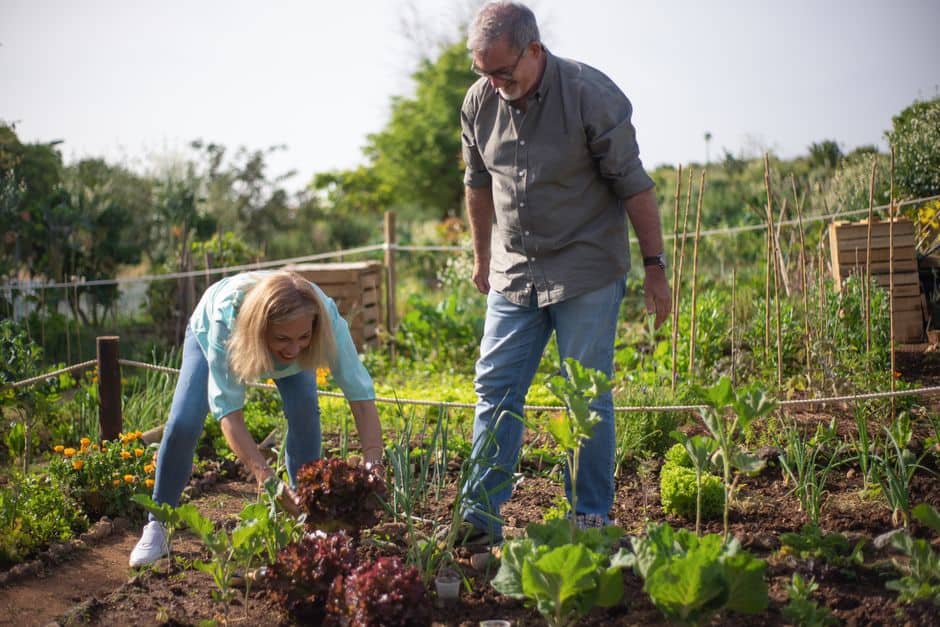
Choosing the right companion plants for cucumbers is one of the easiest ways to get a bigger, healthier harvest. I started doing this years ago after a rough summer of bugs and wilted vines. Now my cucumber patch is surrounded by helpful friends, and the difference is huge. Companion Plants for Cucumbers is a popular choice for gardeners.
The idea is simple. Some plants attract pollinators, some confuse pests, and some just make better use of your garden space. When you pair them with cucumbers, everybody wins.
If you’re gardening in Florida like I am, companions matter even more. Our heat, humidity, and bug pressure can make cucumbers tough to grow, so every little advantage helps.
Why Companion Plants for Cucumbers Work So Well
Cucumbers are hungry, thirsty plants that attract their fair share of trouble. Cucumber beetles, aphids, and whiteflies love them as much as we do. Companion plants help by drawing pests away, hiding the cucumbers from them, or bringing in beneficial insects that eat the bad guys.
Pollination is a big deal too. Cucumbers need bees to move pollen from the male flowers to the female ones. If you’ve ever had vines full of flowers but no fruit, poor pollination was probably the culprit. Flowering companions bring more bees to your garden, and that means more cucumbers.
I noticed this the first summer I planted marigolds nearby. The bees showed up in droves, and my vines started setting fruit like crazy. I wish I’d tried it sooner!
Companion planting isn’t magic, so don’t expect it to solve every problem overnight. Think of it as a helpful boost on top of good watering, sunshine, and rich soil. The University of Florida’s IFAS Extension has great cucumber growing guidance for our local conditions.
My Favorite Flowers and Herbs as Cucumber Companions
Also read: Growing Purple Shamrock Success!
Marigolds are my number one pick. They’re tough, they love Florida heat, and they brighten up the whole garden. Many gardeners plant them to help discourage certain pests, and I always tuck a few around the base of my trellis. Even if the pest-fighting power varies, the bees adore them.
Nasturtiums come next. They’re edible, pretty, and they act like a trap crop for aphids. The aphids go for the nasturtiums instead of your cucumber leaves. I toss the peppery flowers into salads, so it’s a nice bonus.
Dill is another great choice. When it flowers, it attracts beneficial insects like ladybugs and lacewings. Those little helpers eat aphids and other soft-bodied pests. Plus, you’ll have fresh dill ready for homemade pickles.
Borage is worth a try too. Bees go wild for its blue star-shaped flowers, and it grows fast in warm weather. Just give it a little room, because it can get big. Oregano and basil are good low-growing options, and their strong scents may confuse pests looking for your cucumbers.
Best Veggie Companion Plants for Cucumbers
Beans and peas are classic cucumber buddies. They fix nitrogen in the soil, which feeds your hungry cucumber vines. Bush beans work well at the base of a trellis, and in Florida I like yard-long beans for summer. Just keep the roots from competing too much by giving everyone some breathing room.
Corn makes a handy living trellis if you have the space. Cucumber vines can climb up the stalks, and the corn offers a bit of light shade during the hottest part of the day. I tried this once with a short row of sweet corn, and the cukes loved it. It was also a fun way to use vertical space.
Radishes are quick and easy. Plant a few near your cucumbers, and many gardeners say they help distract cucumber beetles. They also grow fast, so you can harvest them before the cucumber vines take over. Lettuce, spinach, and other greens do well in the cooler shade under a trellis too.
Sunflowers make great tall companions. Their big blooms attract pollinators, and the stalks can offer light support. In my yard, the sunflowers draw so many bees that I can hear the buzzing from across the garden. It’s the best kind of background noise.
Plants to Keep Away From Your Cucumbers
Not every plant is a good neighbor. Potatoes are the one I avoid most. They compete for soil nutrients, and both crops can struggle with similar diseases. I’d keep them in separate beds just to be safe.
Strong aromatic herbs like sage can also cause trouble. Many gardeners report that sage stunts cucumber growth, so I give it its own corner of the yard. Melons and squash are tricky too. They’re in the same family as cucumbers, so they share pests and diseases, and planting them close together can cause problems to spread fast.
Here in Florida, spacing matters a lot. Our humidity encourages mildew and fungal diseases, so crowded plants have a hard time drying out. Give your cucumbers good airflow, and use a trellis to lift the vines off the ground. I learned this the hard way when a powdery mildew outbreak wiped out my first planting.
Timing helps as well. In most of Florida, I plant cucumbers in early spring and again in late summer for a fall crop. Companion flowers can go in at the same time, so everything blooms together. For more on what grows well together, the companion planting overview on Wikipedia is a handy starting point.
I hope these ideas help you plan your own cucumber patch. Start small with just a couple of flowers or herbs, and see what works in your space. Every garden is a little different, and that’s part of the fun.
Don’t worry if you make a few mistakes along the way, because I certainly did. Companion plants for cucumbers are a simple, beginner-friendly way to grow healthier vines and bigger harvests. Give them a try this season, and let me know how your cucumbers turn out!
