

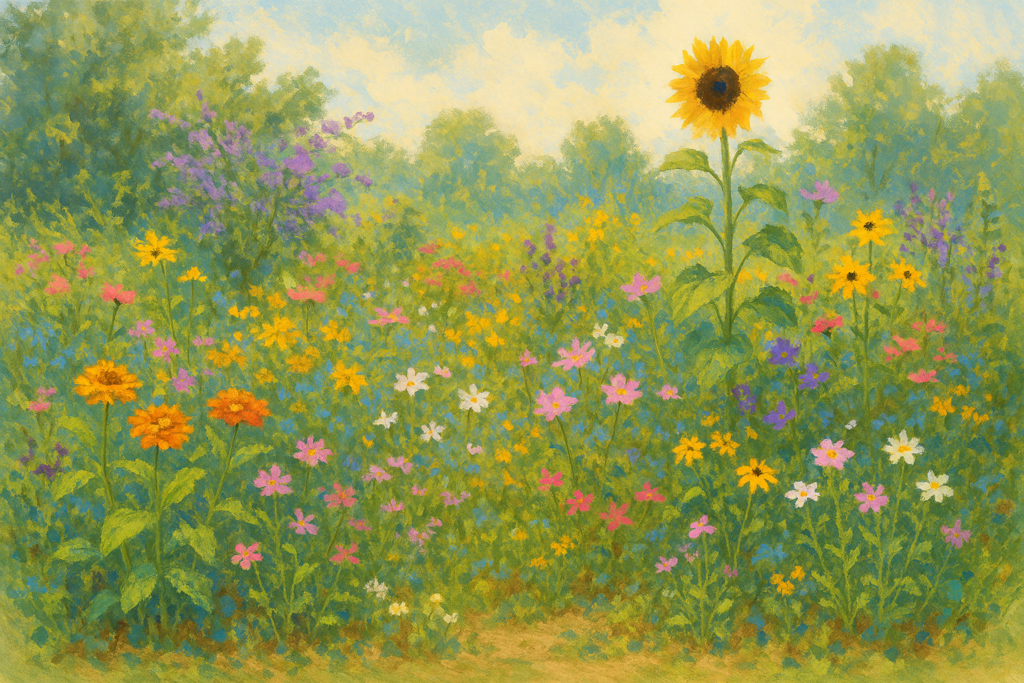
Chaos gardening explained in simple terms is basically letting your garden do its own thing while you sit back and enjoy the surprises. Instead of carefully planning every single plant placement and obsessing over perfect rows, you’re embracing the beautiful unpredictability of nature. I discovered this approach completely by accident when I got too busy to maintain my usual rigid garden schedule, and honestly, it was the best thing that ever happened to my green space!
This wild approach to gardening isn’t about being lazy or careless. It’s about working with nature instead of constantly fighting against it. You’ll be amazed at how creative plants can be when you give them the freedom to grow where they want and reseed naturally.
What Makes Chaos Gardening Different from Traditional Methods
When I first heard about chaos gardening explained by other gardeners, I thought it sounded like an excuse for a messy yard. Boy, was I wrong! Traditional gardening follows strict rules about spacing, timing, and placement. You plant tomatoes here, marigolds there, and everything stays exactly where you put it.
Chaos gardening flips that script completely. You might scatter wildflower seeds in random spots and let them pop up wherever they’re happiest. Plants self-seed and create their own communities. I’ve watched my zinnias migrate across my entire front yard over three seasons, and they look better than any design I could have planned.
The beauty is in the unexpected combinations that emerge naturally. Last summer, I had volunteer sunflowers growing through my butterfly bush, and it created this gorgeous layered effect I never would have thought to plan. My neighbors kept asking who designed that section of my garden!
Here in Florida, this approach works especially well because our growing season is so long. Plants have time to establish, spread, and create those magical surprise combinations that make chaos gardening so rewarding.
Getting Started with Chaos Gardening Techniques
Also read: How to Get Rid of Aphids on Garden Plants Naturally
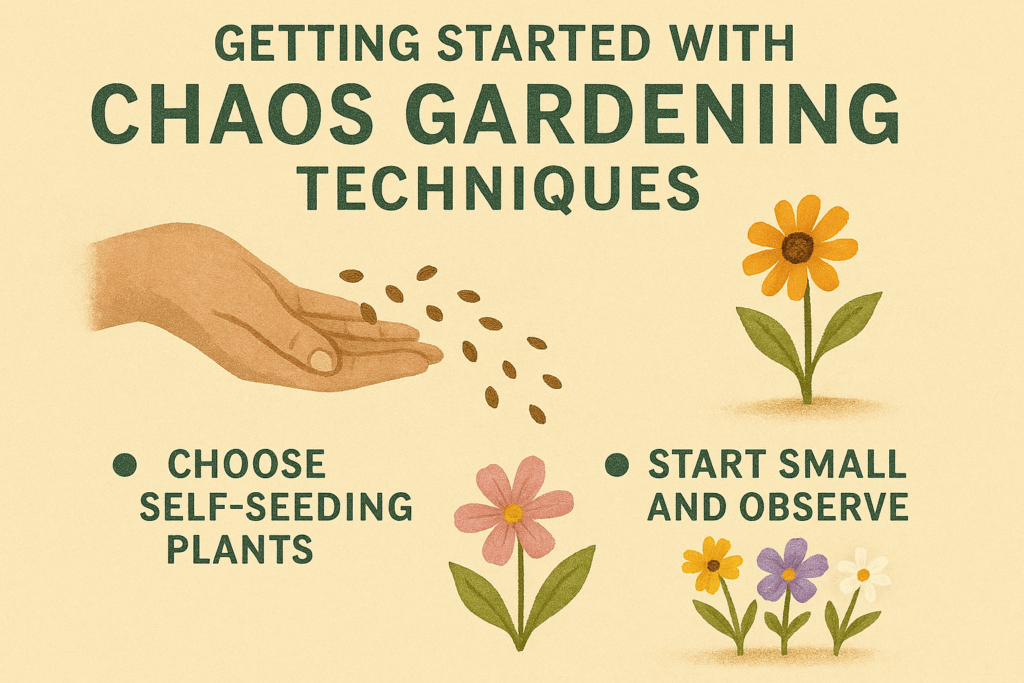
Starting your chaos gardening journey doesn’t mean throwing seeds everywhere and hoping for the best. There’s actually a method to the madness that makes chaos gardening explained much more successful. I learned this the hard way after my first attempt resulted in mostly weeds and very few flowers!
Begin by choosing plants that readily self-seed and play well with others. Cosmos, zinnias, and marigolds are fantastic choices because they drop seeds freely and aren’t aggressive spreaders. In Florida’s climate, I’ve had great success with pentas and vinca, which reseed reliably and handle our heat beautifully.
University extension programs often recommend starting with native plants since they’re naturally adapted to spread and thrive in your local conditions. I scattered some native black-eyed Susan seeds three years ago, and they’ve created the most gorgeous drifts throughout my back garden.
The key is to start small with one section of your yard. I picked a corner that was hard to maintain anyway and let it become my chaos zone. Once you see how it develops over a season or two, you’ll get a feel for how this approach works in your specific space.
Managing Your Wild Garden Space
Even though chaos gardening explained sounds completely hands-off, there’s still some management involved to keep things looking good rather than completely overgrown. The trick is knowing when to intervene and when to let nature handle things. I spend way less time in my chaos garden than my traditional beds, but I do need to make some decisions along the way.
Weeding becomes more of an art form because you’re distinguishing between wanted volunteers and actual weeds. I’ve learned to recognize my favorite self-seeders as tiny sprouts so I don’t accidentally pull them up. Sometimes I’ll find a plant growing in a spot where it’s just not working, and I’ll carefully move it to a better location.
Deadheading is optional but can help direct the energy where you want it. If I want more flowers, I’ll remove spent blooms. If I want the plant to self-seed, I leave some flowers to go to seed. It’s all about what you’re hoping to achieve in each area.
The biggest challenge here in Florida is keeping aggressive plants from taking over completely. I love my Mexican petunias, but they can crowd out everything else if I don’t thin them occasionally. A little selective editing keeps the chaos beautiful rather than overwhelming.
Benefits and Challenges of Unplanned Gardens
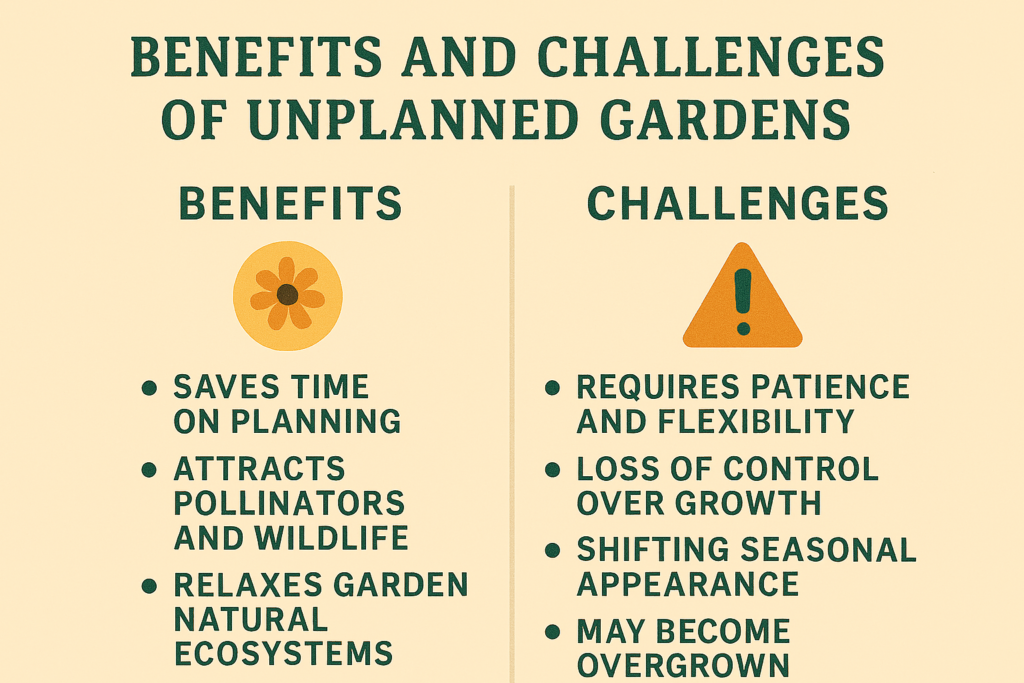
The benefits of this gardening approach go way beyond just saving time on planning. My chaos garden has become a wildlife magnet because the diverse, random plantings create different habitat niches. I see more butterflies, bees, and birds in this section than anywhere else in my yard.
There’s also something incredibly relaxing about not having to maintain perfect order. When a plant dies or gets damaged, it’s not a big deal because something else will likely fill that space naturally. The garden evolves and changes constantly, which keeps it interesting throughout the seasons.
The challenges are mostly about patience and letting go of control. Some years certain plants will dominate while others barely show up. Weather, soil conditions, and pure chance all play roles in what thrives. I’ve had to learn to appreciate the garden for what it is each season rather than what I expected it to be.
USDA gardening resources emphasize that successful gardening often means working with natural processes rather than against them. This philosophy is at the heart of why chaos gardening works so well for many people.
The financial benefits are pretty great too. Once you have plants that self-seed reliably, your garden essentially plants itself each year. I barely buy annual flowers anymore because my volunteers provide most of the color I need.
Chaos gardening explained simply is about embracing the unexpected beauty that happens when you let plants choose their own adventure. It’s not the right approach for every gardener or every space, but it might be perfect for you if you love surprises and want a lower-maintenance way to grow beautiful plants. Give it a try in one small area and see how it develops over time!
