

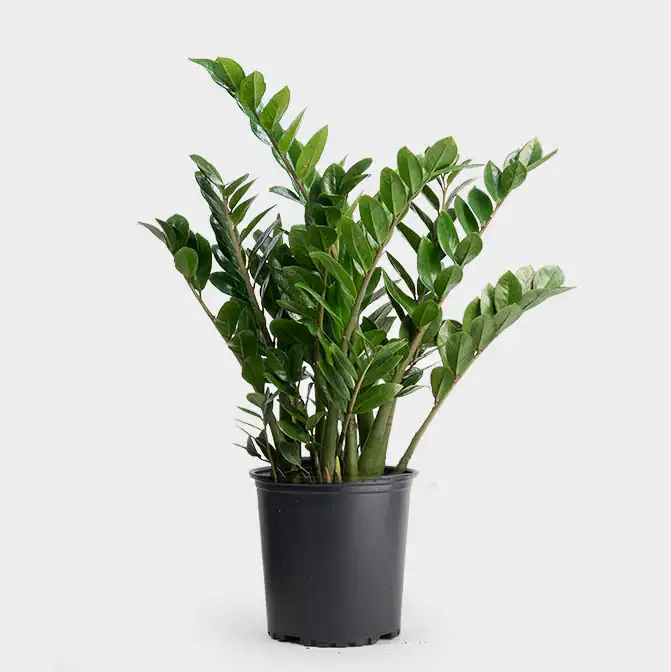
If you’re looking for the perfect Zz Plant Care Guide, you’ve come to the right place! I absolutely love ZZ plants (Zamioculcas zamiifolia) because they’re practically bulletproof houseplants that can handle almost any growing condition. These gorgeous plants have become my go-to recommendation for anyone who thinks they have a “black thumb.” Zz Plant Care Guide is a popular choice for gardeners.
The ZZ plant is originally from eastern Africa, which explains why it’s so tough and drought-tolerant. With its thick, waxy leaves and unique underground rhizomes that store water, this plant was basically designed to survive neglect. I’ve been growing them in my Florida home for years, and they never fail to impress visitors with their glossy, architectural look.
Basic Zz Plant Care Requirements
Let me share what I’ve learned about ZZ plant care over the years. These plants are incredibly forgiving, but understanding their basic needs will help you keep them looking their best. The key is remembering they come from a place with long dry periods followed by heavy rains.
Light is probably the most flexible requirement for ZZ plants. I have them thriving in everything from bright, indirect light near my kitchen window to darker corners of my living room. They’ll grow faster in brighter light, but they honestly don’t mind lower light conditions at all. Just avoid direct sunlight, which can scorch those beautiful leaves.
When it comes to watering, less is definitely more with ZZ plants. I water mine thoroughly when the soil feels completely dry about 2-3 inches down. In Florida’s humidity, that’s usually every 2-3 weeks during summer and maybe once a month in winter. The thick rhizomes store water like little underground tanks, so your plant can go weeks without a drink.
Temperature-wise, ZZ plants are happy in normal household temperatures between 65-75°F. Here in Florida, they do great with our warm temperatures, but they can handle cooler conditions too. Just keep them away from cold drafts and heating vents.
Soil and Potting for Your Zz Plant Care Guide
You might also enjoy: How to Grow Herbs in Mason Jars Indoors
Good drainage is absolutely critical for ZZ plant success. I learned this the hard way when I first started growing them and used regular potting soil. The roots rotted because the soil stayed too wet, and I nearly lost my first plant. Now I always use a well-draining potting mix.
I mix regular potting soil with perlite or coarse sand to improve drainage. You can also buy cactus and succulent potting mix, which works perfectly. The goal is soil that drains quickly but still holds some moisture. If water sits on top of the soil for more than a few seconds, you need better drainage.
Choose a pot with drainage holes – this isn’t negotiable! I prefer terracotta or ceramic pots because they allow the soil to dry out more evenly than plastic. Make sure the pot isn’t too big; ZZ plants actually prefer being slightly pot-bound. A pot that’s 1-2 inches wider than the root ball is perfect.
Repotting is rarely needed since ZZ plants grow slowly. I only repot mine every 2-3 years or when the rhizomes start pushing up out of the soil. When you do repot, be gentle with those thick underground stems – they’re storing all the plant’s water and energy.
Common Problems in Zz Plant Care
Even though ZZ plants are super low-maintenance, I’ve encountered a few issues over the years. The most common problem is overwatering, which leads to yellow leaves and mushy stems. If you see yellowing that starts from the bottom leaves, you’re probably watering too often.
Root rot is the biggest killer of ZZ plants, and it’s almost always caused by too much water or poor drainage. University extension offices often mention this as the top houseplant problem. The stems will feel soft and mushy, and the plant will start collapsing. If you catch it early, you can sometimes save the plant by repotting in fresh, dry soil.
Pests are rarely an issue with ZZ plants, but occasionally I’ve seen spider mites or mealybugs. In Florida’s humidity, good air circulation helps prevent these problems. If you do spot pests, wiping the leaves with a damp cloth usually takes care of small infestations. For bigger problems, insecticidal soap works well.
Brown leaf tips usually indicate low humidity or inconsistent watering. While ZZ plants are drought-tolerant, they appreciate some consistency. I try to water on a regular schedule rather than waiting until the plant looks stressed.
Propagating and Growing Your ZZ Plant Collection
One of the coolest things about ZZ plants is how easy they are to propagate. I’ve had great success with both leaf cuttings and division of the rhizomes. Leaf propagation is slower but really fun to watch – it can take 6-9 months to see new growth, but it’s so rewarding when those tiny shoots appear.
To propagate from leaves, I cut a healthy leaf with about an inch of stem attached. Let it dry for a day or two, then stick it in moist potting mix. Keep the soil slightly moist (not wet!) and be patient. The leaf will develop roots first, then eventually a small rhizome and new shoots.
Division is faster and more reliable. When repotting, you can carefully separate the rhizomes with a clean knife. Make sure each section has some roots and at least one growing point. Arkansas Extension has great information about houseplant propagation techniques that work well for ZZ plants.
The ZZ Raven variety has become really popular lately, and I can see why. It has the same easy care requirements as regular ZZ plants but with gorgeous dark purple-black foliage. I grow both varieties side by side, and they make a stunning contrast in my plant collection.
ZZ plants are perfect for Florida homes because they handle our air conditioning and varying light conditions so well. I’ve given away dozens of propagated plants to friends and family, and they all report the same thing – these plants just keep growing with minimal effort. Whether you’re a complete beginner or an experienced plant parent, a ZZ plant deserves a spot in your home.
Following this Zz Plant Care Guide will help you enjoy these amazing plants for years to come. Don’t overthink it – water when dry, give them decent light, and they’ll reward you with steady growth and gorgeous foliage.
