

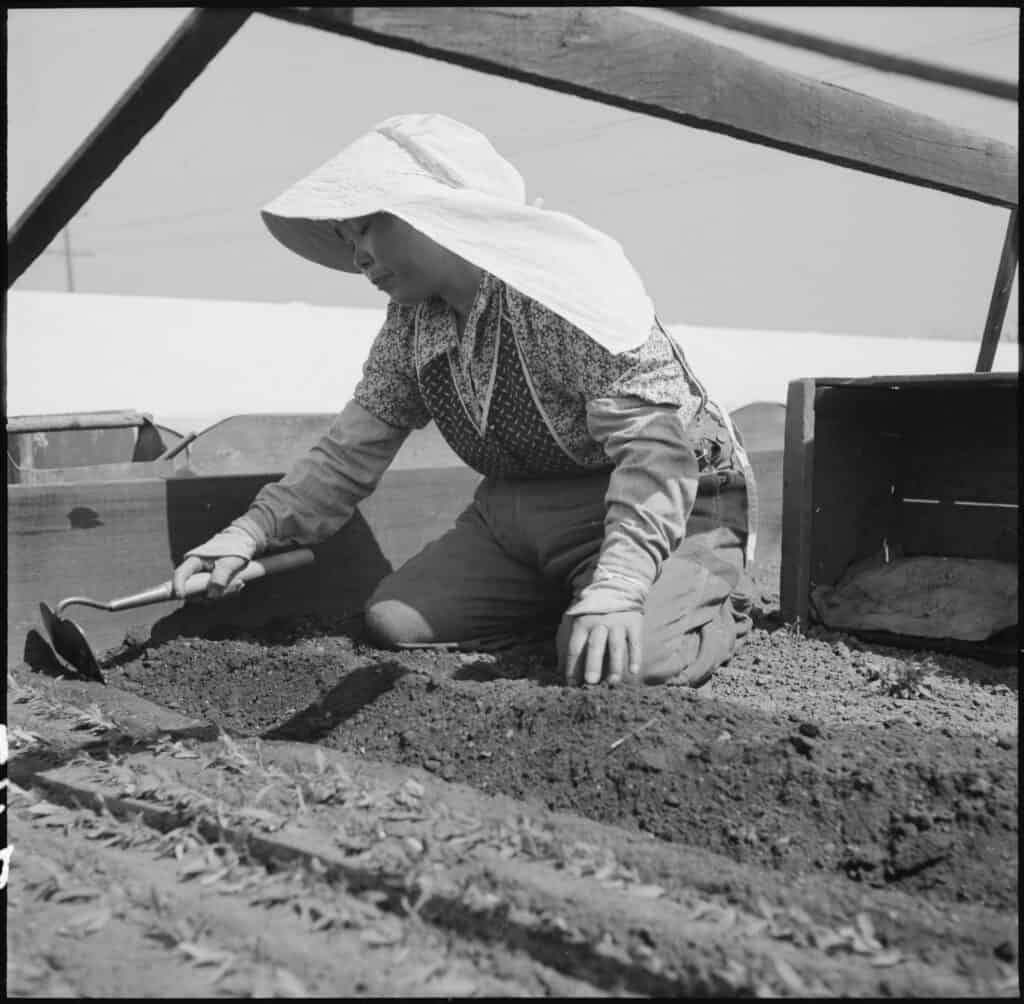
April is such an exciting time for us gardeners! When I see those nighttime temperatures consistently hitting 50°F, I know it’s time to start transplanting tomato and pepper seedlings in April when nighttime temperatures hit 50°f. This magic temperature threshold means our tender seedlings can finally handle life outdoors without getting shocked by cold snaps. Transplanting Tomato and Pepper Seedlings in April When Nighttime Temperatures Hit 50°f is a popular choice for gardeners.
I’ve been gardening in Florida for over a decade, and I still get butterflies when transplant season arrives. There’s something so hopeful about moving those little plants from their cozy indoor spots to the big wide world of your garden beds.
Why 50°F Nighttime Temperatures Matter for Transplanting Tomato and Pepper Seedlings
Here’s the thing about tomatoes and peppers – they’re total wimps when it comes to cold! Both of these warm-season crops originated in tropical and subtropical regions, so they just can’t handle chilly nights. When temperatures drop below 50°F, their growth basically stops, and they can suffer permanent damage.
I learned this lesson the hard way my first year gardening. I got impatient and transplanted my pepper seedlings when nights were still dipping into the mid-40s. Those poor little plants just sat there looking miserable for weeks, turning purple and barely growing at all.
The 50°F rule isn’t just about preventing damage – it’s about giving your plants the best chance to thrive. When nighttime temperatures stay consistently at or above 50°F, your seedlings can focus their energy on growing strong roots and developing healthy foliage instead of just trying to survive.
In Florida, we usually hit this sweet spot in early to mid-April, depending on your exact location. North Florida gardeners might need to wait until late April, while those of us in central and south Florida often get there by early April.
Preparing Your Transplanting Tomato and Pepper Seedlings for the Big Move
Related article: Starting Sweet Potato Slips in February for Spring Planting
Before you rush outside with your seedlings, they need to go through what we call “hardening off.” This is basically plant boot camp – gradually exposing them to outdoor conditions so they don’t go into shock when transplanted.
Start this process about a week before your planned transplant date. I like to put my seedlings outside for just 2-3 hours on the first day, somewhere protected from direct sun and wind. Each day, I increase their outdoor time and gradually expose them to more sun and breeze.
By day seven, your seedlings should be able to handle a full day outside. You’ll notice they look sturdier and their stems get thicker – that’s exactly what we want! Don’t skip this step, even if it feels tedious. I’ve seen too many gardeners lose perfectly healthy seedlings because they rushed this process.
Water your seedlings well the day before transplanting, but don’t soak them. You want the root ball to hold together when you remove it from the pot, but not be so wet that it falls apart in your hands.
The Best Techniques for Transplanting Tomato and Pepper Seedlings in April
Choose a cloudy day or late afternoon for transplanting if possible. Bright, hot sun can stress newly transplanted seedlings, even when nighttime temperatures are perfect. I always check the weather forecast and aim for a day when we might get some light rain afterward.
Dig your holes about twice the width of your seedling’s root ball and just deep enough so the top of the root ball sits level with the soil surface. For tomatoes, you can actually bury part of the stem since they’ll develop roots along it, but peppers should stay at the same depth they were growing in their pots.
Here’s my secret weapon – I add a handful of compost to each planting hole. University extension research shows that organic matter helps newly transplanted seedlings establish faster and stronger root systems.
Gently squeeze the sides of your seedling pots to loosen the root ball, then tip the plant into your palm. If the roots are circling around the bottom (called being “root bound”), gently tease them apart with your fingers. This encourages them to grow outward into their new soil home.
Post-Transplant Care and Common Mistakes to Avoid
The first two weeks after transplanting are critical for your tomato and pepper seedlings. I water mine every other day unless we get rain, keeping the soil consistently moist but not waterlogged. Soggy soil leads to root rot, especially when plants are already stressed from transplanting.
Don’t fertilize immediately after transplanting! This is one of the biggest mistakes I see new gardeners make. Your seedlings need time to recover and establish their roots before they can handle extra nutrients. Wait at least two weeks, then start with a gentle, balanced fertilizer.
Watch for signs of transplant shock – wilting during the heat of the day, yellowing leaves, or just generally looking sad. A little wilting is normal for the first few days, but if it persists, your plants might need some afternoon shade or more frequent watering.
In Florida’s intense sun, I often provide temporary shade for the first week using shade cloth or even old bedsheets. Florida extension specialists recommend protecting newly transplanted vegetables from our harsh afternoon sun until they’re fully established.
Mulch around your transplants with 2-3 inches of organic material like shredded leaves or straw. This helps retain moisture, suppress weeds, and keep soil temperatures more stable during those occasional cool snaps we sometimes get in late April.
Transplanting tomato and pepper seedlings in April when nighttime temperatures hit 50°f is one of my favorite gardening milestones each year. With proper preparation and care, your seedlings will reward you with abundant harvests all summer long. Remember, patience during the hardening off process and gentle care in those first few weeks will set your plants up for success!
