

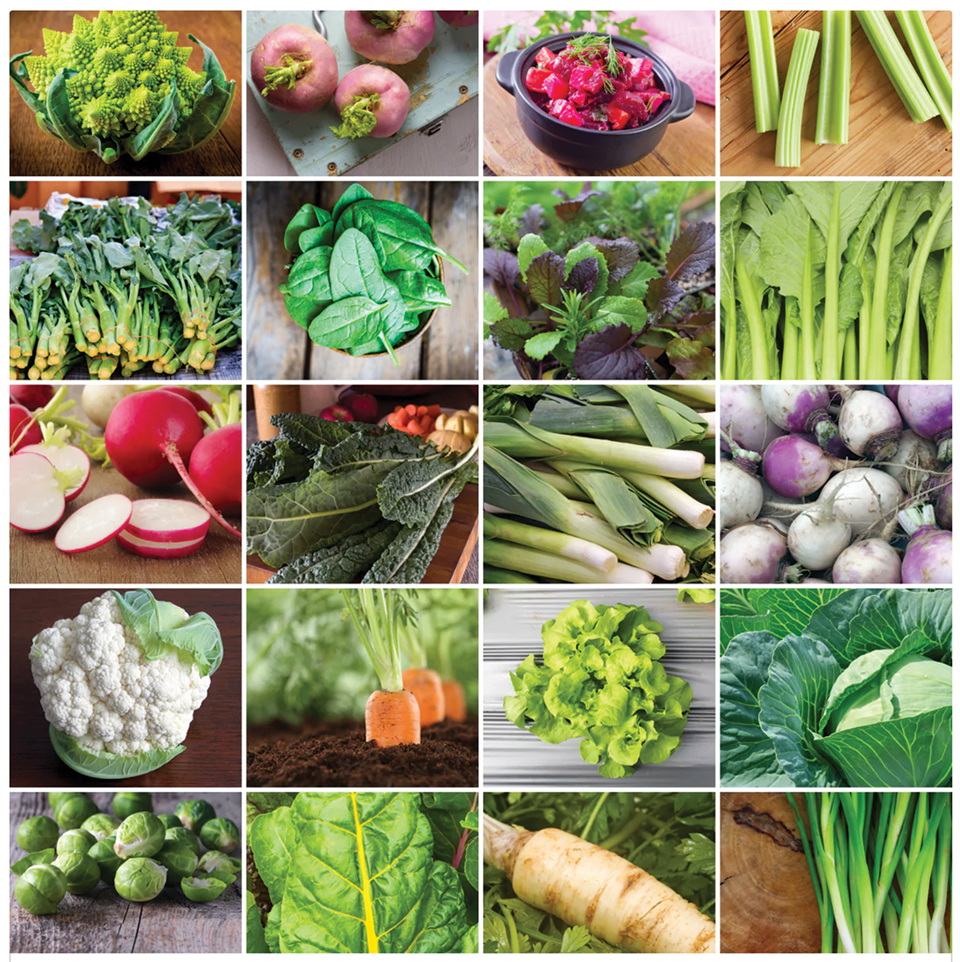
Starting cool-season vegetables indoors in January for early spring harvests is one of my favorite ways to beat the winter blues and get excited about gardening again! While it might be cold outside, there’s something magical about watching tiny seeds sprout on a sunny windowsill when the rest of the world looks dormant. Starting Cool-season Vegetables Indoors in January for Early Spring Harvests is a popular choice for gardeners.
By shifting your growing season indoors during winter, you aren’t just passing the time – you’re ensuring you’ll be the first person on the block harvesting fresh, crisp greens while everyone else is still buying seeds.
I’ve been doing this for years here in Florida, and let me tell you, there’s nothing quite like stepping out to harvest homegrown lettuce in March while my neighbors are just starting to think about planting!
Starting seeds indoors allows you to gain a few precious weeks of growing time, which can make a difference. In warmer regions, starting seeds indoors can allow you to get in an extra round of crops before summer heat stifles growth.
Best Cool-season Vegetables to Start Indoors in January
The key to success is choosing the right vegetables that actually benefit from this early start.
No matter what hardiness zone you’re in, there are vegetables you can sow in January. January may look quiet in the garden, but it’s the ideal time to start vegetables that benefit from a long, steady growing season.
My top picks for January seed starting include broccoli, which is absolutely perfect for this timing.
Broccoli is a cool-season superstar, and it hates the heat. Starting your broccoli seeds indoors in January is the best way to ensure your crop matures during the cool, breezy days of spring, exactly when broccoli tastes its sweetest.
I always choose early varieties like ‘De Cicco’ because they mature faster and give me those delicious side shoots for weeks.
Onions and leeks are made for January sowing – they are classic January crops. Spinach, kale, and lettuce prefer cool conditions and benefit from a steady start. Sowing them in January produces sturdy transplants that handle spring weather better and are less likely to bolt later on.
I love starting these leafy greens early because they grow so quickly once transplanted!
Don’t forget about the brassica family!
Cabbage, broccoli, and cauliflower grow best when they aren’t rushed. Starting these brassicas in January gives them time to develop before summer heat arrives. Strong seedlings lead to better heads and fewer growing issues later in the season.
Essential Seed Starting Equipment for Indoor Growing
For more gardening tips, check out: Grow Purple Shamrock with me!
You don’t need to break the bank to start seeds successfully indoors.
I’d say you absolutely need only 7 things: seeds, a plan, trays, soil mix, labels, a strong seeding light, and grow lights. Things that are nice to have are: seed starting kits, seed packet organizer, pots, heat mats, a watering can, a shelf, a timer, humidity domes, a fan, and fertilizer.
For lighting, I can’t stress this enough – good light makes all the difference!
Many gardeners switch lights on when getting up in the morning and then switch them off when heading to bed, which means they’re on for around 15 to 16 hours. Plants can move from grow lights to outdoors when it’s either warm enough or, for cool-season crops, once the outdoor light levels have improved slightly.
The soil mix is super important too.
Since it lacks certain nutrients and is very dense, you shouldn’t plant your seeds in regular garden soil. A better solution is a potting soil formulated specifically to grow healthy roots. You can also create your own by combining equal parts building sand or perlite and compost with twice as much peat moss.
Temperature control is easier than you think!
Almost every popular crop has a germination temperature that’s in the range you would normally keep your indoor room temperature at. So if you’re keeping your seed trays in your living room, and you don’t have a crazy spouse who likes to keep the house at subarctic temperatures, you’re fine.
I rarely use heat mats because my house stays warm enough naturally.
Timing Your January Seed Starting for Florida Gardens
Here in Florida, we have a huge advantage with our mild winters!
January is one of the best months for gardening in Central Florida. Cooler temperatures, lower pest pressure, and mild days create ideal conditions for growing a wide range of cold-hardy vegetables. If you planted earlier in the fall, many crops are thriving now – and if you’re just getting started, it’s not too late to plant!
For us Florida gardeners, January is actually perfect for direct sowing some crops too.
You can get your veggie garden started by planting cool-season vegetables like broccoli, Brussels sprouts, beets, kale, turnips, cauliflower, celery, snap peas, or lettuce.
But starting indoors gives you even more control and earlier harvests.
These cool-season vegetables are best started indoors in mid-January or about 10-12 weeks before your average last frost date. If you’re in a warmer climate like mine, transplanting these crops too late can lead to poor results. Warm weather makes them bolt – flower prematurely – which means all your hard work could go to waste.
I always check my University of Florida extension calendar to make sure I’m timing everything perfectly for our specific zone. The beauty of living in zones 9-11 is that we can often transplant our January-started seedlings by late February or early March!
Caring for Your Indoor Seedlings
Once your seeds start sprouting, the real fun begins!
Cool-season crops don’t really need as much hardening. Crops such as lettuce, onions, beets, or peas can go straight outside as soon as the ground is ready, meaning that the soil is no longer cold and wet and has reached around 50°F. But warm-season crops such as tomatoes and peppers will need to acclimate.
Watering is probably the trickiest part for new seed starters. I’ve learned that consistency is key – you want the soil moist but never soggy.
Keep the growing medium moist at all times during this period. Dry air and spring breezes can result in rapid transpiration.
I use a spray bottle for the tiniest seedlings and switch to gentle watering as they grow.
One trick I love is the “finger test” – stick your finger about an inch into the soil, and if it feels dry, it’s time to water. This simple method has saved me from both overwatering and underwatering disasters!
Humidity domes are helpful during germination because they retain warmth and moisture. Remove them as soon as seedlings emerge to prevent fungal issues and improve airflow.
I learned this the hard way after losing a whole tray of lettuce seedlings to damping off disease because I left the dome on too long.
The best part about starting cool-season vegetables indoors in January is watching your little seedlings grow stronger each day while you plan out your spring garden.
In just 4 to 6 weeks, you’ll have plants that you can move out to the garden, some even before the threat of frost has passed. I hope this inspires you to order your seeds and get some plants started indoors right away. You’ll be so glad you did when you’re snipping your first leaf harvest.
There’s something so satisfying about nurturing these tiny plants through the winter months, knowing that come spring, you’ll have the most beautiful, healthy transplants ready to fill your garden with fresh, homegrown vegetables. Trust me, once you try starting cool-season vegetables indoors in January, you’ll never want to wait for spring to start gardening again!
