

Starting cool-season seeds indoors in January for spring garden success is one of the smartest moves you can make as a gardener! While everyone else is still dreaming about warmer weather, you can get a serious head start on the growing season. I’ve been doing this for years here in Florida, and let me tell you – there’s nothing better than harvesting fresh lettuce and kale while your neighbors are just buying their first transplants. Starting Cool-season Seeds Indoors in January for Spring Garden Success is a popular choice for gardeners.
The key is understanding that cool-season crops actually love the mild temperatures we get in January.
Even if the last thing you’re thinking about in January or February is the garden, it’s actually a great time to start seeds indoors for frost-hardy leafy greens and for slow-to-get-started herbs.
These plants need time to develop strong root systems before they face the heat of late spring and early summer.
Why Starting Cool-season Seeds Indoors in January Works So Well
The timing couldn’t be better for starting cool-season seeds indoors in January.
One tried and true trick to jump-start a spring veggie garden is to start the seeds indoors during winter. By shifting your growing season indoors and seed starting under glass while the ground is still frozen, you aren’t just passing the time, you’re ensuring you’ll be the first person on the block harvesting fresh, crisp greens while everyone else is still buying seeds.
Cool-season crops like broccoli, kale, and lettuce actually perform better when they mature during cooler temperatures.
Broccoli is a cool-season superstar, and it hates the heat. If your broccoli is still maturing when the first heatwave of June hits, there is a risk the heads will bolt (open into yellow flowers) and turn bitter overnight. Starting your broccoli seeds indoors in January is the best way to ensure your crop matures during the cool, breezy days of spring, exactly when broccoli tastes its sweetest.
Here in Florida, we have an advantage because our zones 8-11 climate means we can start these seeds even earlier than gardeners up north.
Florida is in 8, 9 and 10 USDA plant hardiness zones. Florida on average has approximately 330 days between the last and first frost.
This gives us a much longer growing window, but it also means we need to time our cool-season crops carefully before the heat arrives.
Essential Cool-season Seeds to Start Indoors in January
Related article: My Top 5 Beginner House Plants
Let me share my favorite cool-season seeds for starting indoors in January. These are the ones that consistently give me the best results and earliest harvests.
Broccoli thrives in the spring’s cool temperatures, so it’s a good idea to get your seedlings started on time. We begin sowing broccoli indoors on January 31st or about 4 to 5 weeks before transplanting out. You can transplant broccoli about a month before your last frost, but don’t transplant too early!
I love growing varieties like ‘De Cicco’ because they produce one main head followed by lots of smaller side shoots.
Kale is another winner for January seed starting.
Kale is a plant that you could wait and direct sow in the garden as soon as your soil is workable. However, I’m usually itching to start harvesting kale leaves for my morning smoothies as soon as the weather warms a bit, so I like to get a jump start on the kale growing season. Starting kale seeds indoors in early winter is the way to go. These plants are fairly frost tolerant (some varieties more so than others), and should last you from early spring to late fall if you live in a colder climate, and year round if you live in a warmer climate.
Cabbage and cauliflower also benefit from January indoor starting.
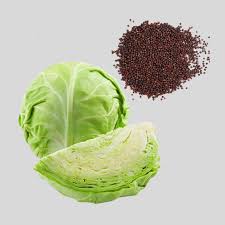
Cabbages are a wonderful, hardy spring crop. We sow successions of cabbages for months, starting January 31st. Sow your first cabbages about 4 to 6 weeks before you plan to transplant them.
The key is giving them enough time to develop strong plants before transplanting.
Dill and cilantro grow pretty quickly from seed. Parsley, at least in my experience, is a little bit more of a slow grower. So if you had to pick one to prioritize, give your parsley more space indoors. Seeds for these annual herbs need to go into the garden or into some soil starting mix right away, with emphasis on the parsley because it takes the longest.
Setting Up Your Indoor Seed Starting Space
Creating the right environment for starting cool-season seeds indoors in January doesn’t have to be complicated. The main things you need are proper temperature control, adequate lighting, and good air circulation.
Now, if you’re starting these indoors in January like I’m telling you to, you’ll need a heat mat. If these plants feel like it’s below 60°F, they decide it’s not their time to grow yet. They worry there might still be a chance of frost, and they don’t want to die. Adjusting the temperature is our way of telling these plants, “No, it’s okay. It’s spring. You can do your thing now.” You have to trick these seeds into thinking it’s warm, even when it’s actually very cold out.
Spaces in homes often do not have enough light, warmth and humidity for starting seeds, and heating mats, domes and grow lights are often necessary.
I use a simple setup with seed starting trays, a heat mat, and a basic LED grow light. The heat mat keeps soil temperature around 65-70°F, which is perfect for most cool-season seeds.
For lighting, you don’t need anything fancy.
Many gardeners switch lights on when getting up in the morning and then switch them off when heading to bed, which means they’re on for around 15 to 16 hours. Or, you could put your grow lights on a timer.
I keep mine on for about 14-16 hours a day, positioning them just 2-3 inches above the seedlings.
The humidity dome is your friend during germination.
Humidity domes are helpful during germination because they retain warmth and moisture. Remove them as soon as seedlings emerge to prevent fungal issues and improve airflow.
Once those first leaves appear, off comes the dome to prevent any fungal problems.
Timing and Transplanting Your January-Started Seeds
Getting the timing right is what separates successful gardeners from those who struggle with their indoor seed starting. Most cool-season crops need about 4-8 weeks to reach transplant size when started indoors.
You won’t be able to set out the plants when they first germinate, but you can let them sprout and grow inside from January through March, then set them out in April. Not every seed can be started in winter, but for those that can, the rewards are immense.
This gives you a huge advantage over direct seeding, especially here in Florida where our spring can be short.
January is the last month where you can plant out cool-season crops that take longer to mature such as broccoli, cauliflower, brussel sprouts and cabbage. It is also the perfect time to get a head start on your start your long-season, heat loving crops like tomatoes and peppers. These can be started indoors this month so that they will be ready for transplant in the middle of February and beginning of March as the temperatures begin to warm up.
The hardening off process is really important.
Before transplanting your seedlings to the garden, they should be hardened off, or given time to become accustomed to outdoor conditions, such as full sun, wind and fluctuating temperatures.
I start this process about a week before transplanting, gradually exposing the seedlings to outdoor conditions for longer periods each day.
Starting cool-season seeds indoors in January for spring garden success has been one of my favorite gardening activities for years. There’s something magical about nurturing tiny seeds under grow lights while it’s still winter outside, knowing that in just a few weeks you’ll have strong, healthy plants ready for the garden. The key is getting started now – don’t wait until February or March when everyone else is scrambling for supplies. Your future self (and your taste buds) will thank you when you’re harvesting fresh, homegrown vegetables weeks ahead of schedule!
