

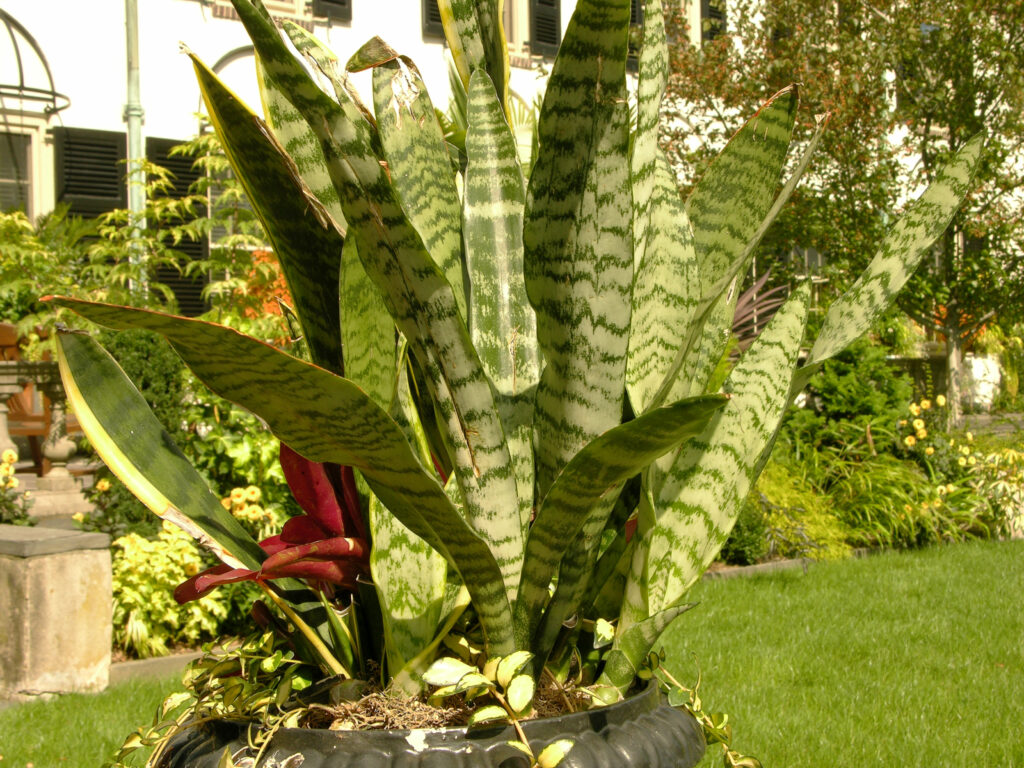
If you’re looking for the perfect Snake Plant Care Guide, you’ve come to the right place! These gorgeous plants (also called Sansevieria or mother-in-law’s tongue) are honestly some of my absolute favorites for beginners. They’re practically indestructible and look stunning in any room. Snake Plant Care Guide is a popular choice for gardeners.
I’ve been growing snake plants in my Florida home for years, and they’ve never let me down. Whether you’re a complete newbie or just want to make sure you’re doing everything right, this guide will help your snake plants thrive with minimal effort.
Why Snake Plants Are Perfect for Your Snake Plant Care Guide
Snake plants are incredible because they tolerate neglect better than almost any other houseplant. I remember when I first started gardening, I was so worried about killing everything that I barely watered my plants. My snake plant was the only one that actually seemed to prefer this approach!
These plants have thick, sword-like leaves that store water, which means they can go weeks without a drink. The leaves grow straight up in beautiful patterns, and some varieties have gorgeous yellow edges or silvery markings. They’re like living sculptures that happen to clean your air too.
Here in Florida, I keep mine indoors because they make such great houseplants. The humidity doesn’t bother them at all, and they handle our air conditioning like champs. Plus, they’re one of those plants that actually prefer to be a little root-bound, so you won’t be repotting constantly.
What really sold me on snake plants is how forgiving they are. You can forget to water them for a month, and they’ll still look amazing. Try that with most other plants and you’ll have a crispy mess on your hands!
Essential Snake Plant Care Requirements
Related article: How to Grow Basil Indoors
The beauty of snake plant care is how simple it really is. These plants prefer bright, indirect light but will tolerate almost any lighting condition except complete darkness. I have one in my bathroom with just a small window, and it’s been happy there for three years.
Watering is where most people mess up, but it’s actually super easy once you get the hang of it. I water mine about once every 2-3 weeks during our hot Florida summers, and even less in winter. The trick is to let the soil dry out completely between waterings.
I use regular potting soil mixed with some perlite or sand for better drainage. Snake plants hate sitting in wet soil, so good drainage is key. If you’re using a pot without drainage holes, you’re asking for trouble. Trust me, I learned this the hard way with my first snake plant!
Temperature-wise, these plants are happy anywhere between 60-80°F, which makes them perfect for most homes. They don’t need any special humidity requirements either, though they don’t mind our muggy Florida air at all.
Common Snake Plant Care Mistakes to Avoid
The biggest mistake I see people make is overwatering their snake plants. These plants would rather be too dry than too wet, and soggy soil will kill them faster than anything else. If the leaves start turning yellow or feeling mushy, you’re probably watering too much.
Another common error is using pots that are too big. Snake plants actually like being a bit crowded, and a pot that’s too large holds too much moisture around the roots. I usually only go up one size when repotting, and I only repot when the plant is literally bursting out of its current pot.
University extension services often mention that people worry too much about fertilizing snake plants. Honestly, I barely fertilize mine at all. Maybe once or twice during the growing season with a diluted houseplant fertilizer, and that’s it.
Don’t stress about humidity levels or misting the leaves either. Snake plants don’t need extra humidity, and misting can actually cause problems if water gets trapped between the leaves. Just leave them alone and let them do their thing!
Propagating and Troubleshooting Your Snake Plants
One of the coolest things about snake plants is how easy they are to propagate. You can divide the whole plant when you repot, or you can cut a healthy leaf into sections and root them in water or soil. I love giving away little snake plant babies to friends because they’re such great starter plants.
If you notice brown tips on the leaves, don’t panic. This usually happens from inconsistent watering or fluoride in tap water. I just trim off the brown parts with clean scissors, and the plant keeps growing just fine. Using filtered water can help prevent this issue.
Pests are rarely a problem with snake plants, but occasionally you might see spider mites or mealybugs. I just wipe the leaves down with a damp cloth regularly, and that usually prevents any issues. The thick, waxy leaves don’t appeal to most pests anyway.
If your snake plant stops growing or looks a bit sad, it probably needs more light. Try moving it closer to a window, but avoid direct sunlight which can actually burn the leaves. These plants grow slowly anyway, so don’t expect rapid changes even when they’re perfectly happy.
Snake plants are honestly the perfect choice if you want a beautiful, low-maintenance houseplant that can handle whatever life throws at it. I’ve moved mine around the house, forgotten to water them for weeks, and they just keep looking gorgeous. Once you get the hang of basic snake plant care, you’ll probably want to collect different varieties like I have!
Start with one snake plant and see how easy it is to keep happy. I guarantee you’ll be hooked on these amazing plants in no time!
