

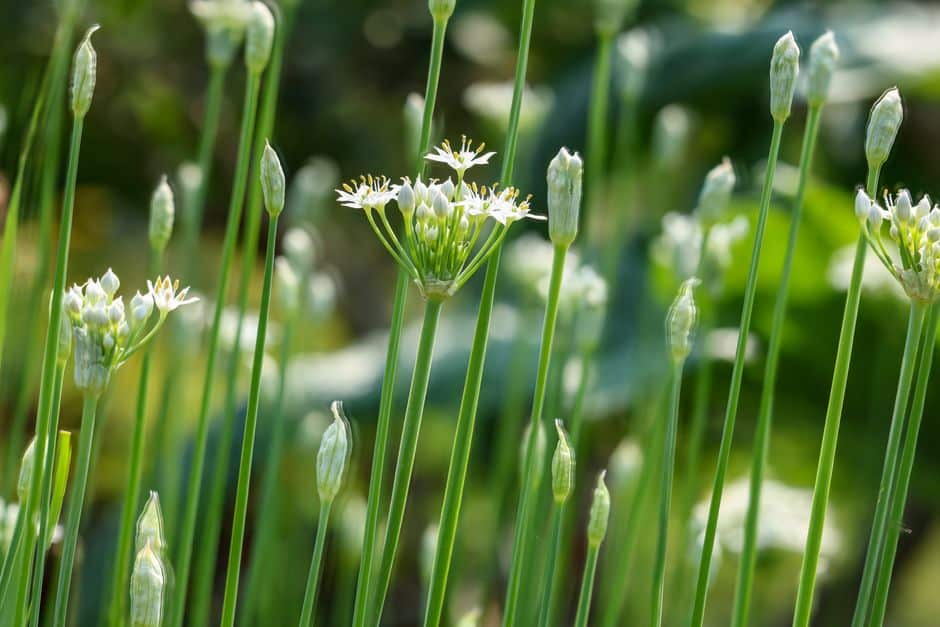
Planting and Caring for Garlic in Fall for a Summer Harvest is one of my favorite gardening projects. You tuck a few cloves into the ground when the weather cools, mostly forget about them for months, and then pull up real bulbs the following summer. It feels like a little bit of garden magic. Planting and Caring for Garlic in Fall for a Summer Harvest is a popular choice for gardeners.
I’ll be honest, my first garlic attempt in Florida was a flop. I planted grocery store garlic in a hot, humid spot and ended up with tiny, sad bulbs. Since then I’ve learned what Florida garlic actually needs, and my harvests have gotten so much better.
If you’ve never grown garlic before, don’t worry. It’s one of the most forgiving crops out there, and the payoff is huge. Fresh homegrown garlic tastes sweeter and stronger than anything you’ll find at the store.
Choosing the Right Garlic for Planting and Caring for Garlic in Fall for a Summer Harvest
Here’s the thing that surprised me most. Not all garlic likes Florida. Hardneck varieties need a long stretch of cold weather to form good bulbs, and most of Florida just doesn’t deliver that.
Softneck garlic is the way to go for us. It handles mild winters much better, and it also stores longer, which is a nice bonus. Look for varieties like Creole types, Artichoke, or Silverskin.
I buy my garlic from seed companies or local nurseries instead of the grocery store. Store garlic is often treated to stop sprouting, and it may not be suited to your area. Seed garlic is meant to grow, and it shows in the results.
When your garlic arrives, break the bulb into individual cloves just before planting. Keep the papery skin on each clove. Pick the biggest, plumpest cloves for planting, since bigger cloves grow bigger bulbs.
Fall Planting Tips for a Summer Garlic Harvest in Florida
Also read: Chaos Gardening Explained
Timing matters a lot here. In most of Florida, I plant garlic from late October through December. North Florida gardeners can start in October, while folks down in central and south Florida do better waiting until November or even December when the nights cool off.
Garlic wants full sun, which means at least six hours a day. It also wants loose, well-draining soil. Florida’s sandy soil drains great, but it doesn’t hold much food, so I mix in a few inches of compost before planting. If you have heavy soil or a soggy spot, a raised bed works wonders.
Plant each clove pointed end up, about two inches deep. Space them four to six inches apart, with rows about a foot apart. I like to press the soil down gently and water well right away.
Then I add a layer of mulch, about two to three inches of straw or pine straw. Mulch keeps the soil cooler, holds in moisture, and cuts way down on weeds. In our warm climate, this one step makes a big difference.
Caring for Garlic Through the Cooler Months
Once your cloves are in the ground, the hard part is over. Garlic grows roots first, then sends up green shoots a few weeks later. Seeing those little green spikes poke through the mulch makes me smile every single year.
Water is where most people go wrong. Garlic likes steady moisture, but it hates sitting in soggy soil. I water about once a week if we haven’t had rain, and I use the finger test. If the top inch of soil feels dry, I give it a drink.
Feeding helps too. I side-dress with a balanced organic fertilizer or a bit of blood meal in late winter when the plants are growing fast. Garlic loves nitrogen early in the season, but I stop feeding by early spring so the plants can focus on making bulbs.
Keep an eye out for weeds, because garlic doesn’t compete well. I pull them by hand since the roots are shallow and easy to disturb. For more details on garlic growing basics, the University of Florida IFAS Extension has great local resources.
If you see yellowing leaves or spots, don’t panic right away. A little yellowing is normal near the end of the season. Mushy bulbs or white fuzzy mold usually mean the soil stayed too wet.
Harvesting and Curing Your Garlic Crop
You’ll know it’s almost harvest time when the lower leaves turn brown and start to dry out. In Florida this usually happens in late spring to early summer, roughly May or June. I stop watering about two weeks before I plan to dig so the bulbs can firm up.
The trick is not to wait too long. If the tops die back completely, the bulb wrappers can split and the cloves won’t store well. I dig when about half to two thirds of the leaves have turned brown.
Use a garden fork or trowel to loosen the soil, then gently lift each bulb. Don’t yank it by the stalk, or you’ll snap the stem. I brush off loose dirt but never wash the bulbs, since moisture is the enemy during curing.
Curing is what makes garlic last. I tie the plants in small bunches and hang them in a shady, airy spot like a covered porch or garage for two to three weeks. Florida humidity can make this tricky, so I run a fan nearby if the air feels damp.
Once the necks are dry and papery, trim the roots and cut the stems. Store your garlic in a cool, dry place with good airflow. A mesh bag or open basket works great, and softneck types can last six months or more.
Always save your biggest, best bulbs to replant in fall. This way you’ll build a stash of garlic that’s adapted to your own yard. You can read more about garlic’s history and growth habits on Wikipedia if you’re curious.
Planting and Caring for Garlic in Fall for a Summer Harvest really is one of the most rewarding things you can do in a Florida garden. It takes little space, little fuss, and just a bit of patience. By summer you’ll have a pantry full of fragrant bulbs you grew yourself.
Give it a try this fall, even if you only plant a handful of cloves. Mine didn’t turn out perfect the first time either, and now I can’t imagine a year without it. Happy planting, friends!
