

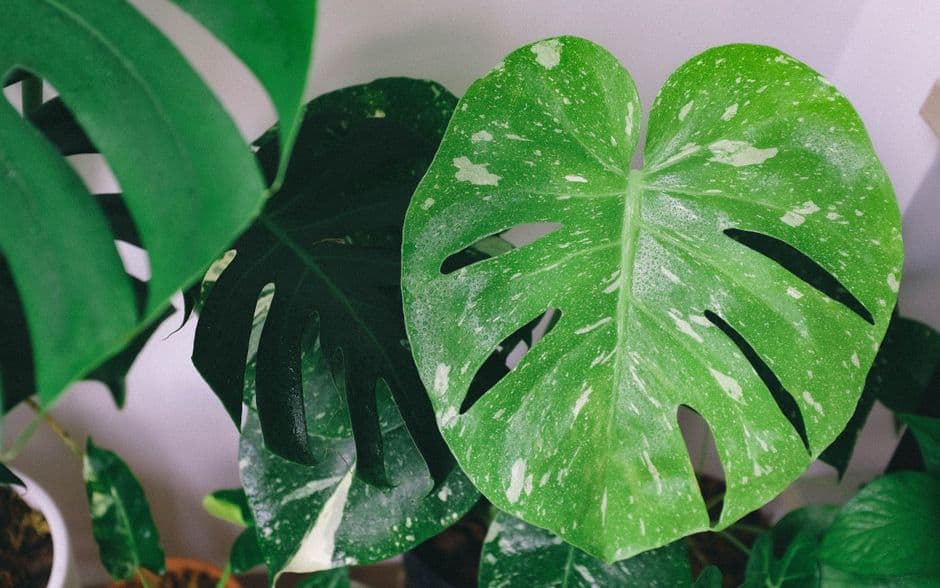
If you’ve been searching for a Monstera Thai Constellation Care Guide: Light, Watering, and Growing Tips, you’re in the right place! I got my first Thai Constellation a couple of years ago and completely fell in love with it. Those creamy white and green speckled leaves are just gorgeous, and honestly, they look amazing sitting in my living room. Monstera Thai Constellation Care Guide: Light, Watering, and Growing Tips is a popular choice for gardeners.
The Thai Constellation is a lab-cultivated variety of Monstera deliciosa, which means it was developed in tissue culture labs in Thailand. That’s actually where the “constellation” name comes from – those creamy splashes on the leaves look like stars scattered across a night sky. Because it’s lab-grown rather than found in nature, it tends to grow a little slower than a regular Monstera, but trust me, it’s absolutely worth the wait.
Monstera Thai Constellation Care Guide: Getting the Light Right
Light is probably the biggest thing to get right with this plant, and I learned that pretty quickly after bringing mine home. Thai Constellations need bright, indirect light to really thrive. Think of a spot near a window where the sun doesn’t hit the leaves directly, because direct sun will scorch those beautiful variegated patches fast.
The white and cream parts of the leaves don’t have as much chlorophyll as the green parts. That means the plant can’t photosynthesize as efficiently as a regular Monstera, so it actually needs MORE light to compensate. I keep mine about three to four feet from a south-facing window, and it’s been really happy there.
Here in Florida, our sun is intense, especially in summer. I always use a sheer curtain to filter the light, which protects the leaves while still giving the plant plenty of brightness. If you notice the leaves looking pale or the variegation fading, try moving it a little closer to the window.
Low light is really not an option with this plant. Without enough light, growth slows down dramatically and the leaves lose that gorgeous contrast. Aim for at least six hours of bright, filtered light each day and your Thai Constellation will reward you with stunning new growth.
Watering Tips in This Monstera Thai Constellation Care Guide
For more gardening tips, check out: How to Grow Tomatoes in Containers: Complete Guide for Beginners
Watering is where a lot of people go wrong with Thai Constellations, and I’ll be honest – I overwatered mine in the beginning. The roots on this plant are really susceptible to rot if they sit in soggy soil, so less is definitely more when it comes to watering.
I always use the finger test before I water. Stick your finger about two inches into the soil, and if it still feels damp, leave it alone for another day or two. If it feels dry at that depth, it’s time to water. During our hot Florida summers, I end up watering about once a week, but in winter I cut back to every ten to fourteen days.
When you do water, water thoroughly until it drains out the bottom of the pot. Then let the pot drain completely before putting it back in its spot. Never let it sit in a saucer full of water – that’s basically an invitation for root rot.
Good drainage is non-negotiable. I use a chunky, well-draining potting mix with added perlite and a little orchid bark. The University of Florida IFAS Extension has great guidance on houseplant soil mixes if you want to dig deeper into that topic. The goal is soil that holds some moisture but never stays waterlogged.
Growing Tips: Soil, Humidity, and Fertilizing Your Thai Constellation
Beyond light and water, there are a few other things that make a big difference in how well your Thai Constellation grows. Humidity is a big one, especially because this plant is originally from tropical rainforests. It loves humidity levels around 60% or higher, which is actually pretty easy to achieve here in Florida since our air is naturally humid most of the year.
If you’re growing yours indoors in a drier climate or during winter when heating dries out the air, a small humidifier near the plant works really well. I’ve also had good luck grouping plants together, since they naturally release moisture and create a little humid microclimate around each other.
For fertilizing, I feed my Thai Constellation with a balanced liquid fertilizer about once a month during spring and summer. I skip fertilizing in fall and winter when the plant’s growth naturally slows down. You don’t want to push it to grow when it’s not ready, because that can actually stress the plant.
Temperature is another thing to keep in mind. Thai Constellations like it warm, between 65 and 85 degrees Fahrenheit. Here in Florida, that’s easy to manage indoors year-round. Just keep the plant away from cold drafts near air conditioning vents, which can stress it out and slow growth.
Common Problems and How to Fix Them
Even with the best care, you might run into a few issues with your Thai Constellation. The most common one I see is yellowing leaves, which usually means overwatering. If the lower leaves are turning yellow and the soil feels wet, ease up on watering and make sure your pot has drainage holes.
Brown, crispy leaf edges usually point to low humidity or too much direct sun. Move the plant away from harsh light and try boosting the humidity around it. I’ve fixed this problem many times just by moving my plant a foot or two away from the window.
Pests can also be an issue, especially spider mites, mealybugs, and thrips. I check my plants every week or so when I water them. Monstera deliciosa and its cultivars like the Thai Constellation can attract these pests when the air is too dry or the plant is stressed. If I spot any bugs, I wipe the leaves down with a damp cloth and treat with neem oil spray.
Slow growth is something people worry about a lot with this variety, but try not to stress over it. Thai Constellations are naturally slower growers than regular Monsteras. As long as you’re seeing at least a few new leaves each growing season, your plant is doing just fine.
I hope this Monstera Thai Constellation Care Guide: Light, Watering, and Growing Tips gives you the confidence to bring one of these beauties home! They’re not the easiest plant out there, but they’re not impossibly hard either. With the right light, careful watering, and a little patience, yours will absolutely thrive.
If you’re just starting out with tropical houseplants, Clemson University’s Home and Garden Information Center has some fantastic beginner resources too. You’ve got this, and I’m cheering you on every step of the way!
