

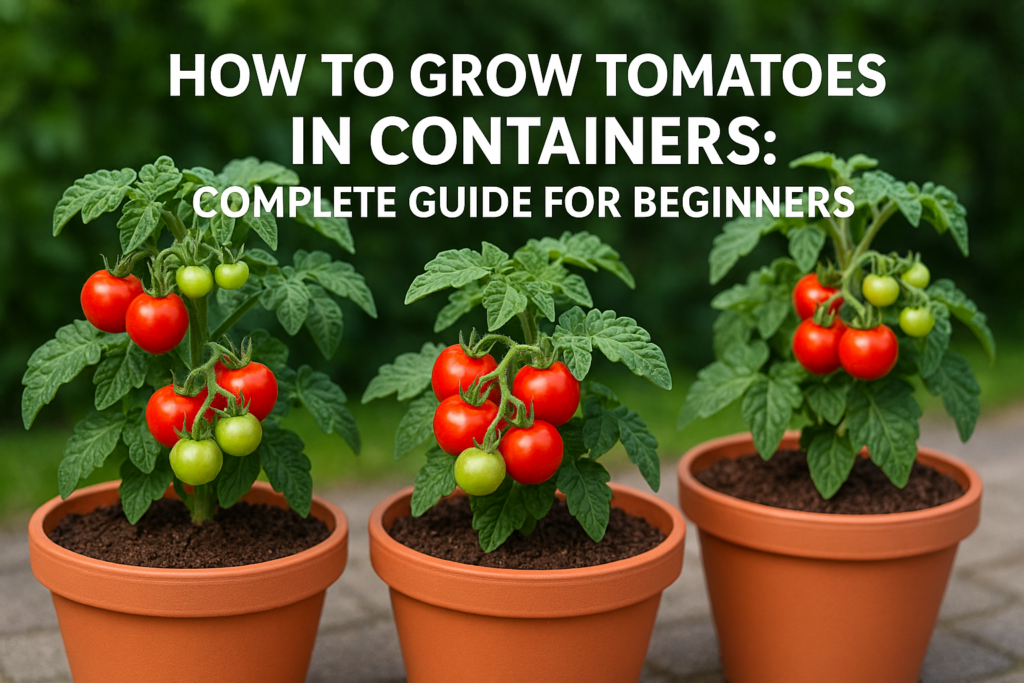
Learning how to grow tomatoes in containers as a complete guide for beginners is one of the most rewarding gardening adventures you can start! I absolutely love container tomato gardening because it lets you grow fresh, juicy tomatoes even if you don’t have a big yard. Plus, you can move your containers around to catch the best sun or protect them from harsh weather. Here in Florida, I’ve been growing tomatoes in pots for years, and let me tell you, there’s nothing quite like picking a sun-warmed tomato right off your own plant. Container growing also gives you complete control over the soil quality and drainage, which means healthier plants and better harvests. Whether you’re dealing with poor soil, limited space, or just want the flexibility of portable gardening, growing tomatoes in containers is perfect for beginners. How to Grow Tomatoes in Containers: Complete Guide for Beginners is a popular choice for gardeners.
Choosing the Right Container and Soil for Growing Tomatoes
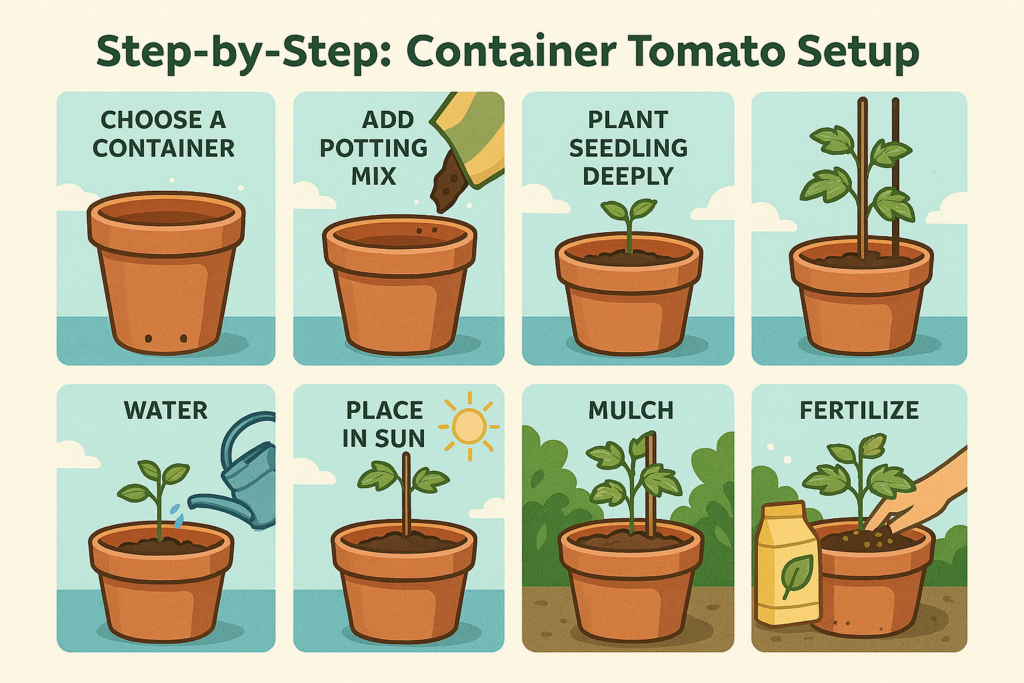
The container you choose makes a huge difference in your tomato growing success. I learned this the hard way when I first started and used containers that were way too small. Your tomato plants need at least a 20-gallon container, but I actually prefer 30-gallon pots for indeterminate varieties. The bigger the better because tomatoes have extensive root systems and need room to spread out. Make sure your container has drainage holes in the bottom because soggy soil will kill your plants faster than anything else.
For soil, never use regular garden dirt in containers because it gets too compacted and doesn’t drain well. I always use a high-quality potting mix designed for containers. You can find great options at any garden center, or you can make your own by mixing equal parts peat moss, vermiculite, and compost. The key is having soil that drains well but still holds moisture. I like to add some slow-release fertilizer to my potting mix right from the start because tomatoes are heavy feeders.
Here in Florida, I also add extra perlite to my soil mix because our humidity can make containers stay too wet. Good drainage is absolutely critical in our climate. Trust me, investing in quality soil and the right size container will save you so much frustration later!
Best Tomato Varieties for Container Growing
For more gardening tips, check out: How to Get Rid of Aphids on Tomato Plants Naturally
Not all tomatoes are created equal when it comes to container growing! I’ve tried dozens of varieties over the years, and some definitely perform better in pots than others. Determinate varieties are fantastic for beginners because they stay more compact and produce all their fruit at once. Some of my favorite determinate varieties for containers include ‘Patio Princess’, ‘Bush Early Girl’, and ‘Roma’. These plants typically stay under 4 feet tall and don’t need as much staking.
If you want to try indeterminate varieties, which keep growing and producing all season, go for smaller cherry tomatoes like ‘Sweet 100’ or ‘Surefire Red’. I love these because they’re more forgiving and produce tons of fruit. ‘Celebrity’ is another great choice that works well in large containers and produces medium-sized tomatoes perfect for sandwiches and salads.
For Florida gardeners, I always recommend heat-tolerant varieties like ‘Phoenix’, ‘Heatmaster’, and ‘Stupice’. These handle our intense summer heat much better than standard varieties. You can find these through University of Florida extension resources which have excellent information about tomato varieties for our climate. Cherry tomatoes also tend to handle heat stress better than large slicing tomatoes, so they’re perfect for beginners in warm climates.
Watering and Feeding Your Container Tomatoes
Container tomatoes need consistent watering, but not too much! This is where most beginners struggle, and I definitely had my share of overwatered plants when I started. The key is checking your soil daily by sticking your finger about 2 inches down into the potting mix. If it feels dry at that depth, it’s time to water. During hot Florida summers, I sometimes need to water my containers twice a day, especially the smaller ones.
When you water, do it slowly and deeply until you see water coming out the drainage holes. This ensures the entire root system gets moisture. I like to water early in the morning so the plants have time to dry off before evening, which helps prevent disease problems. Avoid getting water on the leaves because wet foliage can lead to fungal issues, especially in humid climates like ours.
Feeding container tomatoes is super important because they can’t send their roots out to find nutrients like garden plants can. I use a balanced liquid fertilizer every two weeks, and I also side-dress with compost monthly. Once the plants start flowering, I switch to a fertilizer that’s lower in nitrogen and higher in phosphorus and potassium to encourage fruit production. Calcium is also crucial for preventing blossom end rot, so I add crushed eggshells or calcium supplements to my containers.
Supporting and Caring for Your Tomato Plants
Even compact tomato varieties need some kind of support once they start producing fruit. I learned this lesson when my first container tomato plant toppled over from the weight of its tomatoes! For determinate varieties in smaller containers, a simple tomato cage works great. Just make sure to get a sturdy one because those flimsy wire cages from the store won’t hold up.
For indeterminate varieties, I prefer using tall stakes or even building a simple trellis system. The key is getting your support system in place early, before the plants get too big. I usually install my cages or stakes when I transplant my seedlings. This way, I don’t damage the roots later by trying to shove supports into the soil around established plants.
Regular pruning also helps keep container tomatoes healthy and productive. I remove the suckers that grow between the main stem and branches, and I also trim off any yellow or diseased leaves. This improves air circulation and helps prevent disease problems. In Florida’s humid climate, good air circulation is especially important for preventing fungal issues.
Keep an eye out for common pests like aphids, whiteflies, and hornworms. I check my plants every few days and remove any pests I find by hand. For larger infestations, insecticidal soap works well and won’t harm beneficial insects. The USDA organic guidelines provide excellent information about safe pest control methods for edible plants.
Growing tomatoes in containers might seem intimidating at first, but it’s honestly one of the most satisfying things you can do as a beginner gardener! Start with one or two plants this season and see how it goes. I promise you’ll be amazed at how much you can harvest from just a few containers. The key is choosing the right container size, using quality potting soil, and staying consistent with your watering and feeding schedule. Don’t get discouraged if your first attempt isn’t perfect because every gardener learns through experience. Before you know it, you’ll be enjoying fresh, homegrown tomatoes right from your patio or balcony. Happy gardening, and remember that this complete guide for beginners will have you growing delicious container tomatoes in no time!
