

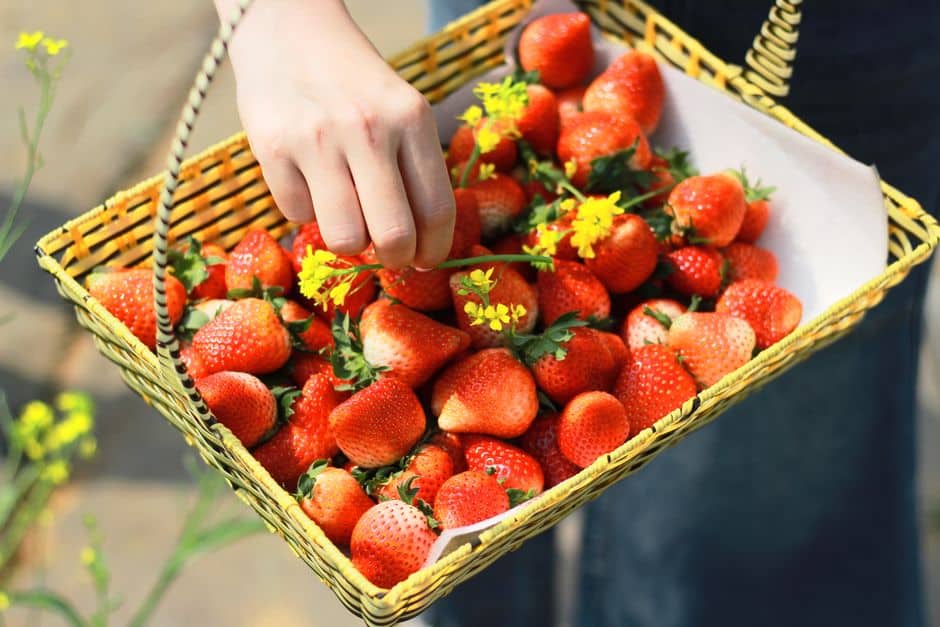
If you’ve ever wanted to know how to grow strawberries in hanging baskets, you are in for such a treat. I started doing this a few years ago when my backyard was getting too crowded for traditional garden beds, and honestly, it changed everything. Fresh strawberries hanging right off my porch? I was completely hooked from the very first harvest. “how to Grow Strawberries in Hanging Baskets” is a popular choice for gardeners.
The best part is that hanging baskets are actually perfect for strawberries. The plants naturally send out little runners that drape over the sides, so they look gorgeous AND produce fruit. Plus, keeping them off the ground means fewer pests and no worrying about soil-borne diseases getting to your berries.
Choosing the Right Basket and Variety to Grow Strawberries in Hanging Baskets
The basket you pick really does matter. I’d go with something at least 12 inches wide and deep enough to hold a good amount of soil. Coco coir-lined wire baskets are my personal favorite because they drain really well and let air get to the roots. Plastic hanging pots work too, just make sure they have plenty of drainage holes at the bottom.
For strawberry varieties, everbearing types are your best friend for hanging baskets. Varieties like Albion, Seascape, or Quinault keep producing berries throughout the season instead of all at once. In Florida, I’ve had great luck with day-neutral varieties because they handle our warmer temperatures without getting too stressed out.
If you’re in Florida zones 8-10, look for varieties that do well in mild winters. Our growing season is actually October through March, which is the opposite of what most gardening guides will tell you. I learned that the hard way my first year when I planted in summer and got almost nothing! Check out the University of Florida IFAS Extension strawberry guide for Florida-specific variety recommendations.
How to Grow Strawberries in Hanging Baskets: Soil and Planting Tips
Related article: How to Create a Thriving Herb Garden in Small Containers
Getting the soil right is probably the most important step. Regular garden soil is way too heavy for hanging baskets and will compact over time, which suffocates the roots. I use a high-quality potting mix and mix in some perlite to help with drainage. A slightly acidic mix with a pH around 5.5 to 6.5 is what strawberries really love.
When you’re ready to plant, tuck 3 to 4 plants into each 12-inch basket. Give them enough space so the crown of each plant sits right at soil level. Planting too deep is a really common mistake that causes the crown to rot, so be careful with that one.
After planting, give everything a good drink of water and hang your basket somewhere it’ll get at least 6 hours of sunlight a day. South-facing spots are usually great for this. In Florida, I actually move mine to a spot with a little afternoon shade during the hottest summer months because that intense heat can stress the plants out.
Watering and Feeding Your Hanging Strawberry Basket
Hanging baskets dry out fast, especially here in Florida where the sun is intense. I check mine every single day during the warm months. The easiest way to tell if it’s time to water is to stick your finger about an inch into the soil. If it feels dry, water thoroughly until it drains out the bottom.
Strawberries are thirsty plants, but they absolutely hate sitting in soggy soil. Finding that balance is key. I water deeply but then let the top inch dry out before watering again. Getting a self-watering hanging basket can be a game changer if you tend to forget, which I definitely used to do!
For feeding, strawberries need regular nutrients to keep producing. I use a balanced liquid fertilizer every two weeks during the growing season. Once the plants start flowering, I switch to a fertilizer that’s a little lower in nitrogen and higher in potassium to encourage more fruit production. The University of Minnesota Extension has a really helpful breakdown of strawberry nutrition if you want to get into the details.
Keeping Your Plants Healthy and Productive All Season
One thing I love about growing strawberries in baskets is that pest pressure is so much lower than in ground beds. But you still need to keep an eye out for spider mites and aphids, especially in dry weather. I spray mine down with a gentle stream of water every week or so, which knocks most pests right off without any chemicals.
Pinch off the first set of flowers when you plant new strawberries. I know it feels painful, but letting the plant focus on establishing strong roots first means way more berries later in the season. It’s worth the wait, I promise!
Remove any dead leaves or spent runners regularly to keep air flowing around the plants. Good airflow really does help prevent fungal issues, which can be a problem in Florida’s humidity. I do a quick tidy-up every week when I’m watering, and it takes maybe five minutes.
Strawberry plants tend to slow down after about two to three years. When production drops, it’s time to replant with fresh starts. I usually grab new plants from a local nursery in October to get my Florida fall planting going strong.
Growing strawberries in hanging baskets is one of those things that looks impressive but is actually pretty beginner-friendly once you get the basics down. You don’t need a big yard or fancy equipment. Just a good basket, the right soil, and some consistent watering.
If you want to know how to grow strawberries in hanging baskets and actually get a real harvest, just start with one basket this season and see how you do. I think you’ll be pleasantly surprised at how quickly those little red berries start showing up. Happy growing, friends!
