

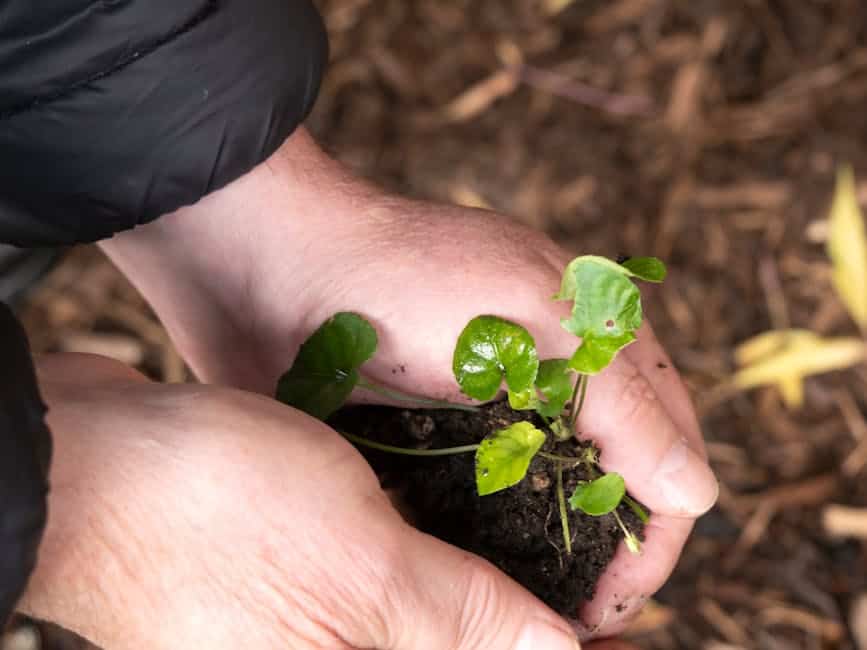
I’ve been fascinated with learning how to grow real wasabi (wasabia Japonica) at home ever since I first tasted authentic wasabi at a Japanese restaurant. That incredible, complex heat is nothing like the green-dyed horseradish most of us know as “wasabi.” Real wasabi is one of the world’s most challenging plants to grow, but don’t let that scare you away. How to Grow Real Wasabi (wasabia Japonica) at Home is a popular choice for gardeners.
Growing authentic wasabi at home is totally possible with the right setup and patience. I won’t lie to you though – this isn’t a beginner plant, and it took me three attempts before I got it right. But when you finally taste that freshly grated rhizome, you’ll understand why wasabi sells for hundreds of dollars per pound!
Understanding What Makes Real Wasabi So Tricky to Grow
Wasabia japonica is native to the cool, shaded mountain stream beds of Japan, which tells us everything we need to know about its growing requirements. In the wild, it grows alongside rushing water with constant moisture, cool temperatures, and filtered light. These conditions are pretty much the opposite of what most home gardens offer.
I learned this the hard way when my first wasabi plants died within weeks. I was treating them like regular herbs, giving them bright light and letting the soil dry out between waterings. Big mistake! Wasabi needs consistent moisture without being waterlogged, temperatures between 46-68°F, and only about 80% shade.
The plant grows incredibly slowly too. We’re talking 18-24 months from seedling to harvest, which means you need serious commitment. But here’s what makes it worth it – every part of the plant is edible, from the famous rhizome to the leaves and flowers.
In Florida’s heat, growing wasabi outdoors is basically impossible unless you have a climate-controlled greenhouse. I grow mine indoors with very specific environmental controls, and even then it’s challenging during our hot summers.
Creating the Perfect Environment for Growing Wasabi at Home
Also read: Caring for Pothos Plants
The key to success with wasabi is mimicking those Japanese mountain streams as closely as possible. I use a hydroponic setup in my air-conditioned spare room, but you can also grow it in containers with the right soil mix and watering system.
For soil growing, I mix equal parts sphagnum peat moss, perlite, and fine orchid bark. This creates excellent drainage while holding moisture – exactly what wasabi roots need. The pH should be slightly acidic, around 6.0-7.0, which the peat moss helps achieve naturally.
Temperature control is absolutely critical. I keep my growing area between 55-65°F year-round using a small air conditioning unit. Any higher than 70°F and the plants start to stress and become susceptible to rot. Here in Florida, this means my wasabi room runs the AC constantly from April through October.
Humidity needs to stay around 90-95%, which I maintain with ultrasonic humidifiers and by keeping water trays around the plants. The lighting should be very dim – I use LED grow lights at about 25% intensity, positioned 18 inches above the plants. Think deep forest shade, not bright kitchen windowsill.
Daily Care and Maintenance for Your Wasabi Plants
Watering wasabi is more like maintaining a constant moisture level than traditional watering. I check my plants twice daily and mist them if the growing medium feels even slightly dry on top. The water should be cool and ideally filtered or distilled, as wasabi is sensitive to chlorine and mineral buildup.
I’ve found that bottom watering works best – I place the pots in trays of water and let them wick up moisture as needed. This prevents the crown of the plant from getting too wet, which can lead to rot. The water level in the trays should never touch the bottom of the pots directly.
Fertilizing is tricky because wasabi doesn’t like strong nutrients. I use a very diluted liquid fertilizer (quarter strength) once a month during the growing season. University extension guides recommend low-nitrogen fertilizers to prevent soft growth that’s prone to disease.
Air circulation is super important but needs to be gentle. I use small computer fans on low speed to keep air moving without creating drafts that could stress the plants. Good airflow helps prevent the fungal issues that love wasabi’s humid environment.
Common Problems and How I Learned to Solve Them
Root rot killed my first two attempts at growing wasabi, and it’s probably the biggest challenge you’ll face. The symptoms start with yellowing lower leaves and a musty smell from the growing medium. Once I learned to use better-draining soil and improved my watering technique, this became much less of an issue.
Aphids love wasabi plants, especially in the warm, humid conditions they need. I check under every leaf weekly and use insecticidal soap at the first sign of trouble. Neem oil works too, but I dilute it to half strength since wasabi leaves are sensitive.
Temperature fluctuations will stress your plants quickly. I learned to use a min/max thermometer to track temperature swings in my growing area. Even brief spikes above 75°F can set the plants back for weeks, so consistent climate control is worth the investment in electricity costs.
Slow growth used to frustrate me until I realized it’s completely normal. My healthiest wasabi plants only put out 2-3 new leaves per month. If you’re seeing steady new growth, even if it’s slow, your plant is probably doing fine. Patience is definitely required for this crop!
Growing real wasabi at home is challenging but absolutely doable with the right setup and commitment. I’ve been harvesting small amounts from my plants for the past year, and the flavor is incredible compared to store-bought alternatives. The key is creating that cool, humid, shaded environment and maintaining it consistently.
Don’t get discouraged if your first attempt doesn’t work out perfectly. I consider wasabi my “advanced gardening challenge,” and each plant teaches me something new about creating the perfect microclimate. Once you master how to grow real wasabi (wasabia Japonica) at home, you’ll have bragging rights and the world’s most expensive condiment growing in your spare room!
