

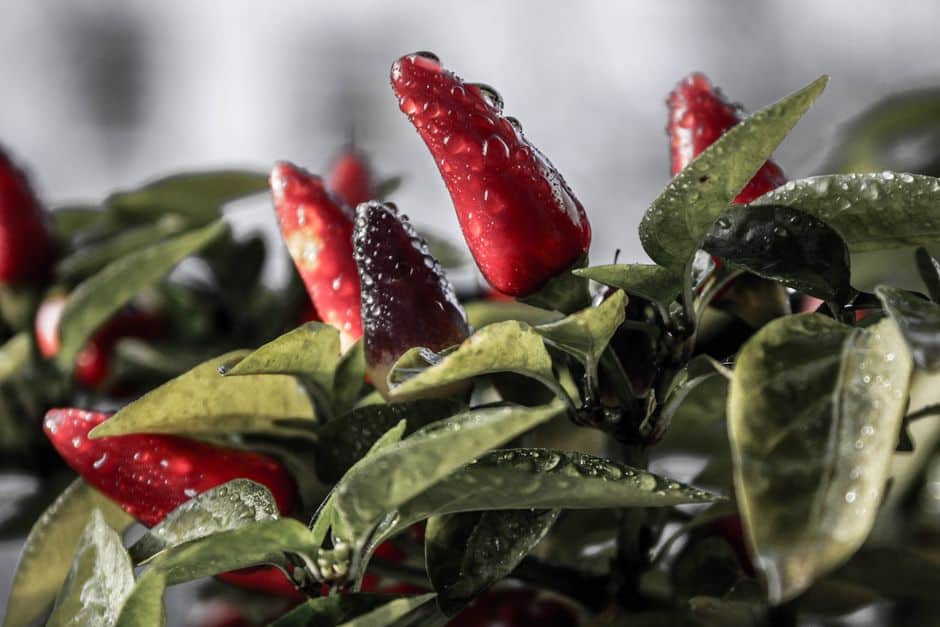
Learning how to grow peppers in self-watering containers on small balconies changed my whole gardening life. I used to think you needed a big backyard to grow real food, but my little third-floor balcony proved me wrong. Now I pick fresh peppers right outside my sliding door. How to Grow Peppers in Self-watering Containers on Small Balconies is a popular choice for gardeners.
The best part is how forgiving self-watering pots are. Florida summers can dry out a regular container in a single afternoon, and I lost more than a few plants that way. A built-in water reservoir keeps the soil evenly moist, so you can skip the daily panic watering.
If you’re new to this, don’t worry. My first pepper plant dropped every flower it made, and I had no idea why. We’ll cover all of that, plus the simple setup that finally worked for me.
Why Self-watering Containers Work So Well for Peppers on a Small Balcony
Peppers like steady moisture but hate sitting in soggy soil. A self-watering container solves both problems at once. The plant pulls water up from the reservoir through the soil as it needs it, so the roots stay happy instead of swinging between bone dry and flooded.
Balconies are tough on pots, especially in Florida. Concrete floors and railings soak up heat and bounce it right back at your plants. On the hottest days, my regular pots needed water twice daily, but my self-watering ones just kept going.
Size matters more than you’d think. Look for a container that holds at least 5 gallons for one pepper plant. Hot peppers like jalapenos can get by in slightly smaller pots, while bell peppers do better with the full 5 gallons or more.
You can buy a ready-made self-watering planter, or you can build one from a bucket. I made my first one from a food-grade 5-gallon bucket, a smaller pot set inside, and a piece of PVC pipe for filling. It cost me less than a fancy coffee, and it worked great.
Choosing Peppers and Soil for Your Self-watering Setup
You might also enjoy: Chaos Gardening Explained
Pick varieties that stay compact if your balcony is tiny. Some of my favorites are jalapenos, banana peppers, mini sweet peppers, and Thai chilies. They produce lots of fruit without taking over your whole space.
Bell peppers are wonderful, but they can struggle in Florida’s heat. They often stop setting fruit once nighttime temperatures stay above 75 degrees. If you love bells, plant them in late winter or early fall and try varieties bred for hot weather.
Soil is where many beginners go wrong, and I certainly did. Never use heavy garden soil in a self-watering pot, because it packs down and blocks the water from wicking upward. Use a light, high-quality potting mix instead, ideally one with perlite mixed in.
Peppers also like soil that drains well but holds a little moisture. I mix in a handful of compost for extra nutrients and a scoop of crushed eggshells for calcium. The University of Florida’s Gardening Solutions pepper guide has great advice on pepper varieties that do well in our state.
Sunlight, Heat, and Water Tips for Growing Peppers on a Small Balcony
Peppers want at least 6 to 8 hours of sun, so a south or west facing balcony is ideal. That said, Florida afternoon sun can be brutal in July and August. If your leaves look scorched or droopy at 3 PM, try a bit of shade cloth or move the pot where it gets morning sun and afternoon shade.
Fill the reservoir whenever it runs low, and check it every few days at first. In summer I top mine off about twice a week. The first time you plant, water the soil from the top for a week or two so the roots can find the reservoir below.
Wind is something I didn’t think about before my first balcony garden. Upper floors can get gusty, and a strong breeze will snap pepper stems or tip over your pots. I tie my plants loosely to a small stake or tomato cage, and I keep the pots tucked against the wall.
Pollination can be tricky on a balcony because fewer bees stop by. If your plants flower but don’t set fruit, gently tap the flowers or use a soft paintbrush to move pollen around. This simple trick finally got my jalapeno plant producing, and it felt like magic.
Feeding, Pest Control, and Harvesting Your Container Peppers
Peppers are hungry plants, and potting mix runs out of nutrients fast. I start with a slow-release fertilizer mixed into the soil at planting time. Then I add a diluted liquid feed every couple of weeks once the plants start flowering.
Go easy on nitrogen, though. Too much of it gives you a big, leafy plant with hardly any peppers. A balanced fertilizer or one a bit higher in phosphorus and potassium keeps the flowers and fruit coming.
Florida pests love peppers just as much as we do. Aphids, spider mites, and whiteflies show up on my balcony every year, so I check the undersides of leaves weekly. A strong spray of water knocks most of them off, and insecticidal soap handles the rest. The UF/IFAS pepper production guide explains common problems in more detail.
Harvest time is the most fun part. Pick peppers when they reach full size, and don’t be shy about cutting them off with scissors instead of pulling. Regular picking tells the plant to keep making more. Most peppers also turn sweeter and spicier if you let them ripen to red, orange, or yellow, so wait if you can.
You can grow a surprising amount of food on even the tiniest balcony. Self-watering containers take the guesswork out of watering, and peppers reward you with months of fresh harvests. Start with one plant, learn what it likes, and add more as your confidence grows.
I hope this guide on how to grow peppers in self-watering containers on small balconies gives you the push to try it. Mine didn’t work perfectly at first, and yours might not either, but that’s part of the fun. Grab a pot, find a sunny spot, and get growing!
