

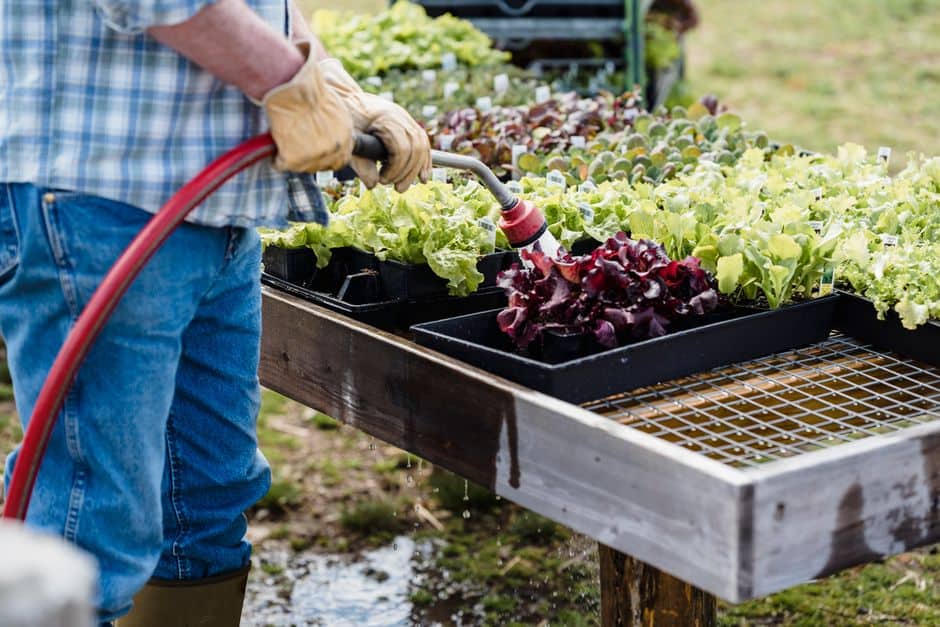
If you’ve ever wanted fresh salad greens just steps from your kitchen, learning how to grow lettuce in small containers year-round is honestly one of the best decisions you’ll make as a gardener. I started doing this a few years ago on my little back patio in Florida, and I haven’t bought bagged lettuce from the grocery store since. It’s that good. “how to Grow Lettuce in Small Containers Year-round” is a popular choice for gardeners.
The best part? You don’t need a big yard or a fancy garden bed. A few containers, some good potting mix, and a sunny spot are all you really need to get started. Let me walk you through everything I’ve learned!
Choosing the Right Container to Grow Lettuce Year-round
When it comes to how to grow lettuce in small containers year-round, the container choice matters more than most people think. Lettuce has shallow roots, so you don’t need anything super deep. A container that’s about 6 to 8 inches deep works perfectly. Wide and shallow beats tall and narrow every time for lettuce.
I personally love using window boxes because you can fit a bunch of different lettuce varieties in one long planter. They look great on a porch railing too! You can also use fabric grow bags, plastic pots, or even repurposed colanders with good drainage holes. Just make sure whatever you pick has drainage, because lettuce sitting in waterlogged soil is a recipe for root rot.
For potting mix, skip the regular garden soil and go with a light, high-quality potting mix instead. I like to add a little extra perlite to help with drainage. The University of Florida IFAS Extension has great guidance on container gardening for vegetables if you want to dig deeper into soil recommendations.
One more thing: dark-colored containers absorb heat like crazy here in Florida. I switched to light-colored or white pots and my lettuce thanked me for it. Cooler roots mean happier plants!
How to Grow Lettuce in Small Containers Year-round in Florida’s Heat
For more gardening tips, check out: What to Plant in July for a Fall Harvest: Starting Brassicas Like Broccoli and Cauliflower Now
Okay, here’s where Florida gardening gets a little tricky. Lettuce is a cool-season crop, which means it prefers temperatures between about 60 and 70 degrees Fahrenheit. When it gets too hot, lettuce “bolts,” which means it shoots up a flower stalk and turns bitter. Not fun.
In Florida, our best lettuce-growing seasons are fall through spring, roughly October through April. But here’s the secret to growing it year-round: you can absolutely grow lettuce in summer, you just need to be smart about it. Move your containers to a spot that gets morning sun but afternoon shade. That afternoon shade makes a huge difference when temps are pushing 90 degrees.
I also keep a few containers near my back door where I can easily slide them under the overhang when we get those intense summer afternoon thunderstorms. Container gardening gives you that flexibility that in-ground beds just can’t. It’s one of my favorite things about growing in pots!
For summer growing, look for heat-tolerant varieties like ‘Jericho,’ ‘Summer Crisp,’ or ‘Black Seeded Simpson.’ These guys handle the warmth much better than your average butterhead lettuce.
Watering, Feeding, and Light for Container Lettuce Year-round
Lettuce loves consistent moisture, but it doesn’t want to sit in soggy soil. I check my containers every single day during summer because they dry out so fast in the Florida heat. My go-to method is the finger test: stick your finger about an inch into the soil, and if it feels dry, it’s time to water. Simple and reliable!
In cooler months, you can back off a bit and water every couple of days. Morning watering is always better than evening watering because it gives the leaves time to dry out, which helps prevent fungal issues. Florida humidity is already working against us, so we don’t need to make it worse!
For sunlight, lettuce needs about 6 hours of sun per day. In spring and fall, full sun is great. In summer, filtered light or morning sun only will keep your plants from stressing out. I’ve had great luck placing containers under a shade cloth during the hottest months.
Feeding is pretty simple. Lettuce is a light feeder, so I use a balanced liquid fertilizer about once every two to three weeks. The University of Georgia Extension has helpful info on fertilizing container vegetables if you want specific numbers. Don’t over-fertilize though, because too much nitrogen can make the leaves taste bitter.
Harvesting and Keeping Your Lettuce Coming Back
This is honestly my favorite part of container lettuce growing: the “cut and come again” method. Instead of pulling the whole plant out, you just snip the outer leaves with scissors when they’re big enough to eat, usually when they’re about 3 to 4 inches long. The plant keeps growing new leaves from the center, and you get multiple harvests from the same plant!
I usually start harvesting about 30 days after planting for loose-leaf varieties. Head lettuces take a little longer, closer to 60 to 80 days. I prefer loose-leaf types for container growing because they’re faster and more forgiving.
To keep fresh lettuce going all year, I practice succession planting. Every three to four weeks, I start a new small container of seeds. That way, when one batch starts to bolt or slow down, the next batch is ready to go. It sounds fancy but it’s really just starting a new pot regularly!
For seeds, I love shopping at specialty seed companies that carry heat-tolerant varieties, especially for our Florida summers. Having the right variety makes such a big difference.
Learning how to grow lettuce in small containers year-round has honestly changed how I cook and eat at home. There’s nothing better than walking outside and snipping fresh greens for dinner!
If you’re just starting out, don’t stress too much. Your first batch might bolt or get a little leggy, and that’s totally okay. Mine did too! Just replant and try again. Once you get the hang of how to grow lettuce in small containers year-round, you’ll have more fresh salads than you know what to do with. Happy growing, friends!
