

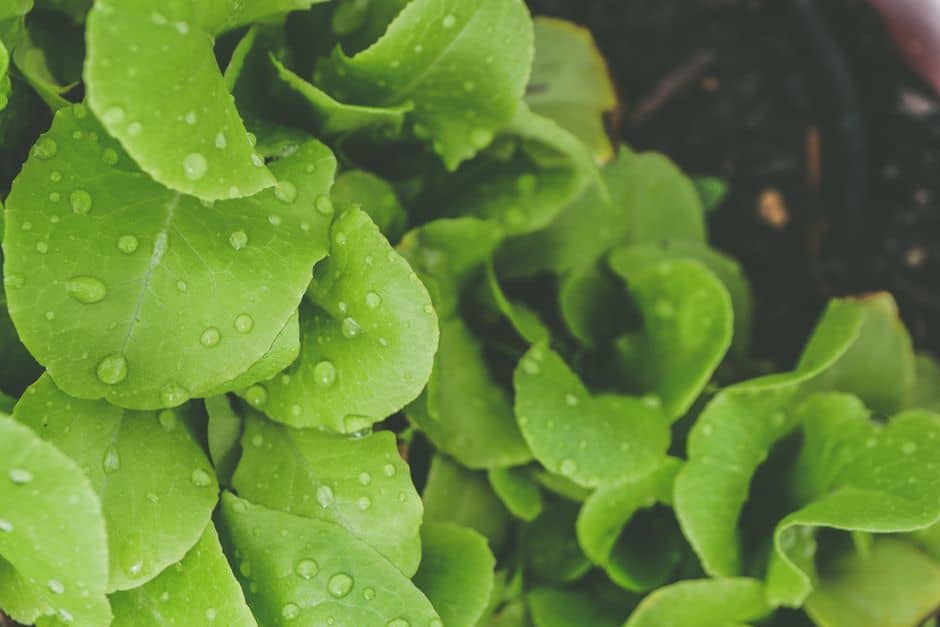
If you’ve ever wanted fresh salad greens without a big garden, learning how to grow lettuce in small containers indoors is honestly one of the best things you can do. I started doing this a few years ago when Florida summers made outdoor gardening feel impossible, and I’ve never looked back. Fresh lettuce, right on my kitchen counter, any time I want it! “how to Grow Lettuce in Small Containers Indoors” is a popular choice for gardeners.
The best part is that lettuce is one of the most beginner-friendly crops out there. It grows fast, doesn’t need a ton of space, and you can harvest it over and over again. If you’re new to indoor gardening, this is the perfect place to start.
How to Grow Lettuce in Small Containers Indoors: Picking the Right Setup
The first thing to figure out is your container. Lettuce has shallow roots, so you don’t need anything deep. I usually go with containers that are about 6 to 8 inches deep, which gives the roots plenty of room to spread out without needing a giant pot.
Width matters more than depth with lettuce. A wider container means you can plant more seeds and get a bigger harvest. I love using window boxes for this reason. You can line them up on a sunny windowsill and have a little lettuce garden going without taking up much space at all.
For drainage, make sure your container has holes in the bottom. Lettuce roots sitting in soggy soil will rot quickly, and you’ll lose your whole planting. I always put a small tray underneath to catch water, but I dump it out after 30 minutes so the roots aren’t sitting in it.
Fill your container with a good quality potting mix, not garden soil. Garden soil gets compacted in containers and drains poorly. A light, fluffy potting mix is what lettuce loves. I sometimes mix in a little perlite to help with drainage, especially during Florida’s humid months.
Light and Temperature Tips for Growing Lettuce Indoors in Containers
You might also enjoy: How to Grow Rudbeckia Maxima (Giant Coneflower)
Lettuce needs about 12 to 14 hours of light each day to really thrive indoors. A south-facing window is your best bet if you have one. I have mine set up near a big sliding glass door and the plants do really well there.
If you don’t have a super sunny window, don’t worry! A simple LED grow light works great for lettuce. I use one that sits about 6 inches above my containers, and it runs on a timer so I don’t have to think about it. You can find affordable ones online for around $20 to $30.
Temperature is where things get interesting, especially here in Florida. Lettuce actually prefers cooler temperatures, ideally between 60 and 70 degrees Fahrenheit. That’s why I grow it indoors during our hot summers, where the AC keeps things nice and cool. According to the University of Florida IFAS Extension, lettuce is a cool-season crop that can bolt (go to seed) quickly in heat, so keeping it in a climate-controlled space is a real advantage for us Florida gardeners.
If your lettuce starts looking tall and leggy with bitter-tasting leaves, it’s bolting from too much heat. Move it somewhere cooler or adjust your grow light placement. I’ve had this happen and it’s a bummer, but it’s easy to prevent once you know what to look for.
Watering and Feeding Your Indoor Container Lettuce
Watering lettuce in containers is pretty simple once you get the hang of it. I use the finger test every single day. Stick your finger about an inch into the soil, and if it feels dry, it’s time to water. Lettuce likes consistently moist soil, but not waterlogged.
I water my lettuce containers gently and slowly, making sure the water reaches all the way down to the roots. Overhead watering can sometimes cause issues with fungal problems, especially in humid climates like Florida. I try to water at the base of the plants when I can.
For feeding, lettuce is a light feeder and doesn’t need a ton of fertilizer. I use a diluted liquid fertilizer about once every two weeks. A balanced fertilizer with nitrogen works well because nitrogen helps produce those lush, green leaves you’re after. Don’t overdo it though, too much fertilizer can make leaves taste bitter.
Harvesting and Keeping Your Lettuce Coming Back
This is honestly my favorite part! Once your lettuce plants are about 4 to 6 inches tall, you can start harvesting. The best method is called “cut and come again,” where you snip the outer leaves and leave the center of the plant intact. The plant will keep producing new leaves for weeks.
I use clean scissors for harvesting and cut leaves about an inch above the base of the plant. Harvesting this way regularly actually encourages the plant to keep growing. The Old Farmer’s Almanac recommends harvesting in the morning when leaves are at their freshest and most crisp, and I totally agree!
Loose-leaf varieties like Black Seeded Simpson, Buttercrunch, or Oak Leaf are the best choices for indoor container growing. They’re faster to mature and handle the cut-and-come-again method really well. I’ve tried several varieties and Buttercrunch is my personal favorite because the leaves are so tender.
Plan on replanting every 6 to 8 weeks to keep a continuous harvest going. I stagger my plantings so I always have lettuce at different stages of growth. It takes a little planning upfront, but once you get the system going, you’ll have fresh greens all the time!
Learning how to grow lettuce in small containers indoors has genuinely changed how I think about cooking at home. There’s something so satisfying about walking to your windowsill and snipping fresh greens for dinner. It feels fancy, but it’s actually really easy and affordable.
If you’re just getting started, I promise you can do this! Pick up a simple container, some potting mix, and a packet of loose-leaf lettuce seeds, and you’ll be harvesting your first salad before you know it. Give it a try and let me know how it goes!
