

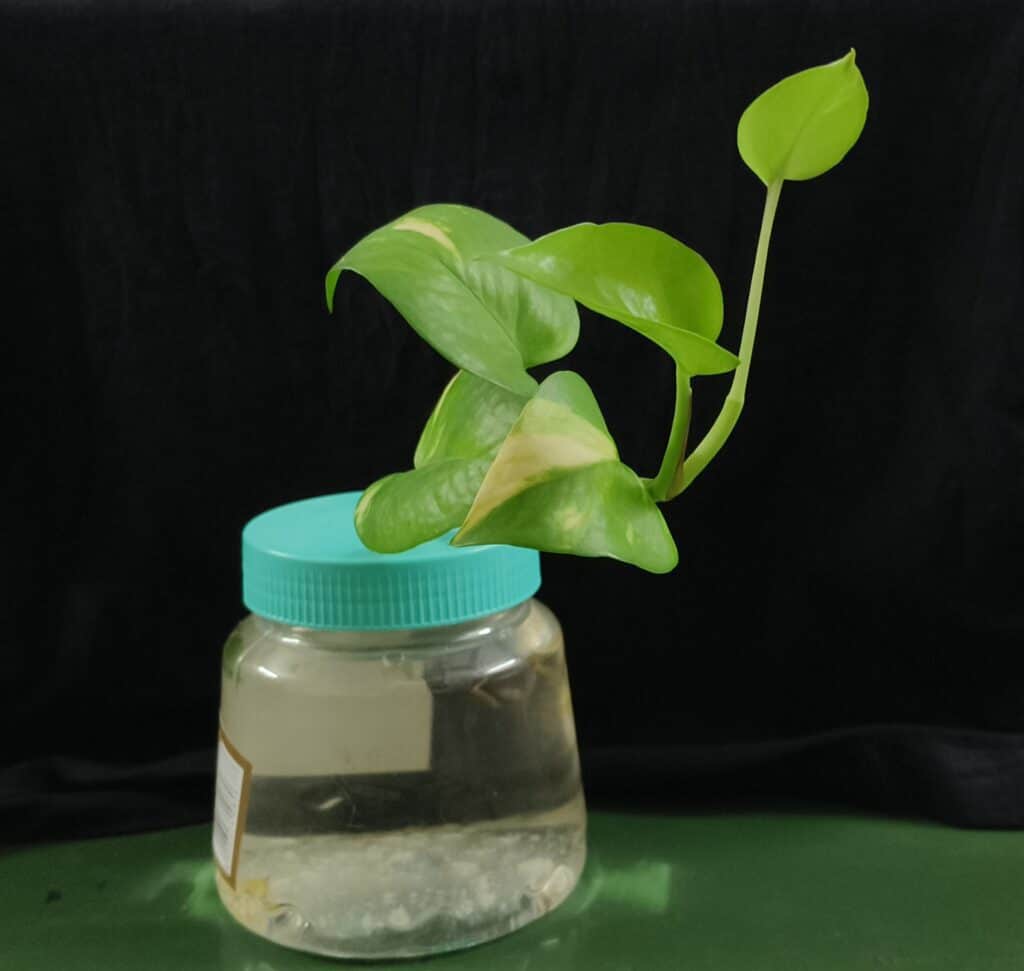
If you’ve ever wondered how to grow golden pothos (Epipremnum aureum): the complete beginner’s guide is exactly what you need, and I’m so excited to share everything I know about this amazing plant! Pothos is honestly one of my all-time favorites, and I recommend it to every single person who tells me they’ve killed every plant they’ve ever owned. It’s that forgiving. How to Grow Golden Pothos (epipremnum Aureum): the Complete Beginner’s Guide is a popular choice for gardeners.
I’ve had pothos vines trailing across my Florida sunroom for years, and they just keep going no matter what I throw at them. They handle humidity, low light, and even the occasional forgotten watering like total champs. If you’re just getting started with houseplants, this is absolutely the one to begin with.
What You Need to Know Before Growing Golden Pothos (Epipremnum Aureum)
Golden pothos gets its name from those gorgeous yellow-streaked green leaves that look almost painted. The scientific name is Epipremnum aureum, but honestly, most people just call it pothos or devil’s ivy. It’s part of the same plant family as philodendrons, which is why the two look so similar.
One thing I love about pothos is how fast it grows. We’re talking a foot or more of new growth every single month when the plant is happy. That means you’ll actually see results quickly, which is so encouraging when you’re just starting out with plants.
Here in Florida, pothos thrives like crazy because our warm, humid climate is basically its dream home. It’s native to tropical regions, so our muggy summers feel totally comfortable to it. You can even grow it outdoors in shaded spots if you’re in zones 10-11, though I keep most of mine inside where I can enjoy them up close.
One heads-up though: pothos is toxic to pets and kids if eaten. I always mention this because it’s worth knowing before you decide where to put your plant. The University of Florida IFAS Extension has great resources on houseplant safety if you want to read more.
How to Grow Golden Pothos (Epipremnum Aureum): Light, Water, and Soil
For more gardening tips, check out: How to Grow and Blanch Cardoon: the Forgotten Mediterranean Artichoke Cousin
Let’s talk about the basics, because getting these right makes everything else so much easier. Pothos is super flexible with light. It does best in bright, indirect light, but it can handle low light too. I’ve had vines growing in a dim corner of my bathroom for months with no complaints.
Direct sun is the one thing to avoid. Too much harsh sunlight will bleach those pretty leaves and cause brown, crispy patches. In Florida especially, keep your pothos away from south-facing windows in summer unless you have a sheer curtain to soften the light.
For watering, I use what I call the finger test. Stick your finger about two inches into the soil, and if it feels dry, it’s time to water. If it still feels damp, wait a few more days. Overwatering is honestly the number one way people accidentally kill pothos, and I’ve made that mistake myself.
Soil-wise, a basic well-draining potting mix works perfectly. You don’t need anything fancy. I sometimes mix in a little perlite to help with drainage, especially during our rainy Florida summers when everything tends to stay wetter than usual.
Fertilizing and Propagating Your Golden Pothos: A Beginner’s Guide to Faster Growth
You don’t need to fertilize pothos constantly, but a little boost during the growing season (spring and summer) really helps. I use a balanced liquid fertilizer about once a month from March through September, then I skip it entirely in fall and winter when the plant naturally slows down. Less is more with fertilizer, trust me.
Propagating pothos is one of the most fun parts of growing this plant, and it’s ridiculously easy. All you do is cut a stem just below a leaf node (that little bump where roots will grow), pop it in a glass of water, and wait. Within a week or two, you’ll see little white roots forming. Once they’re a couple inches long, plant the cutting in soil and you’ve got a brand new plant!
I’ve propagated dozens of pothos cuttings over the years and given them to neighbors, friends, and coworkers. It’s such a great way to share the plant love without spending any money. Epipremnum aureum on Wikipedia has some interesting background on the plant’s origins if you’re curious about where it originally came from.
One more tip: pothos leaves will actually turn toward the light source, which means rotating your pot every few weeks helps the plant grow more evenly on all sides.
Common Problems and How to Fix Them
Even the toughest plants run into trouble sometimes, and pothos is no exception. The most common issue I see is yellowing leaves, which almost always means overwatering. If your leaves are turning yellow and the soil feels soggy, let it dry out completely before watering again. You might even need to repot into fresh, dry soil if the roots are starting to rot.
Brown, crispy leaf tips usually mean the air is too dry or the plant got too much direct sun. In Florida, dry air isn’t usually our problem, but if you’re running the AC constantly in summer, that can dry things out indoors. A small humidifier nearby or a pebble tray with water underneath the pot can help a lot.
Pests are occasionally an issue, especially mealybugs and spider mites. I check my plants every couple of weeks by looking under the leaves. If I spot anything, a quick wipe-down with a damp cloth or a spray of diluted neem oil usually takes care of it fast.
If your pothos is growing really slowly or the leaves look pale, it might just need more light or a little fertilizer. Move it closer to a bright window and give it a feeding, and you should see it perk up within a few weeks.
Learning how to grow golden pothos (Epipremnum aureum): the complete beginner’s guide really does come down to a few simple habits. Water only when the soil is dry, give it bright indirect light, and don’t overthink it. This plant genuinely wants to thrive for you.
Whether you’re a total plant newbie or just adding to your collection, pothos is one of those plants that will make you feel like a gardening pro right from the start. I hope this guide gives you all the confidence you need to get growing!
