

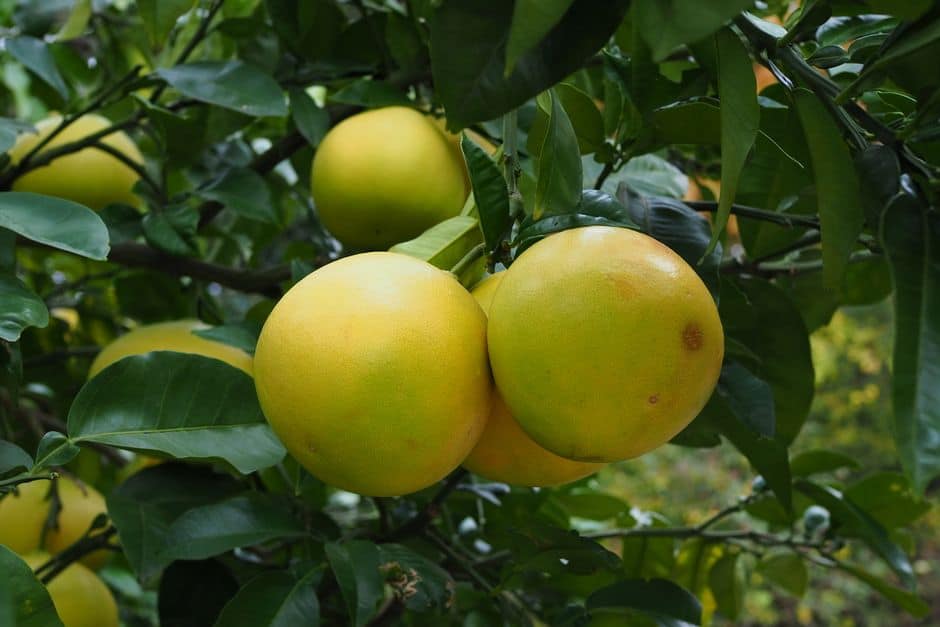
If you’ve ever wanted to know how to grow dwarf citrus trees in containers indoors, you are in for such a treat! I started my first indoor citrus about four years ago with a little Meyer lemon tree, and honestly, it changed everything about how I think about indoor gardening. There is something so satisfying about picking a fresh lemon from a tree sitting right in your living room. “how to Grow Dwarf Citrus Trees in Containers Indoors” is a popular choice for gardeners.
The best part is that dwarf citrus trees are surprisingly manageable, even for beginners. They stay small enough to thrive in pots, they smell absolutely amazing when they bloom, and they actually produce real fruit you can eat. What’s not to love?
Choosing the Right Tree When You Grow Dwarf Citrus Trees in Containers Indoors
Not all citrus trees are created equal when it comes to container growing. You want to look specifically for trees labeled “dwarf” because they’ve been grafted onto rootstock that keeps them compact. Most dwarf citrus trees stay between 4 and 8 feet tall indoors, which is very manageable.
My personal favorites for indoor growing are Meyer lemon, Calamondin orange, and Kaffir lime. Meyer lemons are incredibly popular because they fruit almost year-round and have a sweeter flavor than regular lemons. Calamondin oranges are gorgeous little trees with tiny bright fruits that look like ornaments on the branches.
When you’re shopping, look for trees that are already 2 to 3 years old. Younger trees can take a long time to fruit, and honestly, starting with a more established plant just gives you better results faster. I learned this the hard way with my first purchase!
You can find good dwarf citrus trees at local nurseries or through reputable online sellers. Here in Florida, we’re lucky because citrus is everywhere, but if you’re shopping online, the University of Florida’s IFAS Extension has great variety guides to help you pick the right tree for your situation.
Sunlight and Soil: The Foundation of Growing Dwarf Citrus in Containers
You might also enjoy: How to Get Rid of Aphids on Roses Naturally
Citrus trees are sun lovers. Full stop. To grow dwarf citrus trees in containers indoors successfully, you need to give them at least 8 hours of bright light every day. A south-facing window is your best bet, but east or west-facing windows can work too if the light is strong enough.
If your home doesn’t get great natural light, don’t give up! A grow light set up about 6 inches above the tree for 12 to 16 hours a day works really well. I use a simple LED grow light during our cloudier winter months, and my Meyer lemon doesn’t even notice the difference.
For soil, skip the regular potting mix. Citrus needs really well-draining soil because soggy roots are the number one killer of container citrus. I use a mix made specifically for citrus and palms, or I mix regular potting soil with perlite at about a 2:1 ratio. This keeps the roots happy and healthy without staying too wet between waterings.
Pick a container with plenty of drainage holes at the bottom. A pot that’s about 12 to 15 inches wide works well for a young dwarf tree, and you can size up as it grows. I like terracotta pots because they help the soil dry out faster, which citrus really appreciates.
Watering and Feeding Your Indoor Dwarf Citrus Container Trees
Watering citrus is honestly where most beginners go wrong. The golden rule is to water deeply but let the soil dry out a bit between waterings. I stick my finger about 2 inches into the soil, and if it still feels damp, I wait another day or two. If it feels dry, it’s time to water.
When you do water, water thoroughly until it drains out the bottom of the pot. Then empty the saucer so the roots aren’t sitting in standing water. Overwatering causes root rot, and root rot is really hard to come back from. Trust me on this one!
Feeding your tree is just as important as watering. Citrus trees are heavy feeders and need a fertilizer made specifically for citrus. I use a slow-release citrus fertilizer in spring and summer, then back off in fall and winter when growth naturally slows down. Look for a fertilizer with micronutrients like iron and magnesium, because citrus can get deficiencies that show up as yellowing leaves.
Here in Florida, our tap water can sometimes be high in minerals, which can build up in container soil over time. Every few months, I water really heavily to flush the soil out and prevent salt buildup. It’s a small step that makes a big difference in how the tree looks and performs.
Dealing With Pests and Getting Your Tree to Fruit
Indoor citrus can attract a few common pests, especially spider mites, scale insects, and aphids. I check my trees every week or so when I’m watering, just looking at the undersides of leaves for anything suspicious. Catching problems early makes them so much easier to deal with.
For most pest issues, a simple spray of neem oil mixed with water does the trick. The Old Farmer’s Almanac has a great guide on dealing with common houseplant pests if you want more detail on treatment options. Consistency is key, so repeat the treatment every week until the problem is gone.
Now, here’s something that surprises a lot of new citrus growers: indoor trees sometimes need a little help with pollination. Outside, bees and wind do this job automatically. Inside, you might need to step in. When your tree is blooming, use a small soft paintbrush or even a cotton swab to gently transfer pollen from flower to flower. I do this every couple of days during bloom time, and it makes a huge difference in how much fruit sets.
Be patient with fruiting because it can take several months from bloom to ripe fruit. Meyer lemons, for example, take about 6 to 9 months to ripen after flowering. But when you finally pick that first fruit from your own indoor tree, it is completely worth the wait!
Growing dwarf citrus trees in containers indoors is one of the most rewarding things I’ve done as a gardener. You get beauty, fragrance, and actual edible fruit all from one plant sitting in your home. With the right light, well-draining soil, and consistent care, these little trees absolutely thrive.
So if you’ve been thinking about it, go ahead and give it a try! Learning how to grow dwarf citrus trees in containers indoors is totally within reach for any gardener, beginner or experienced. I’m cheering you on every step of the way!
