

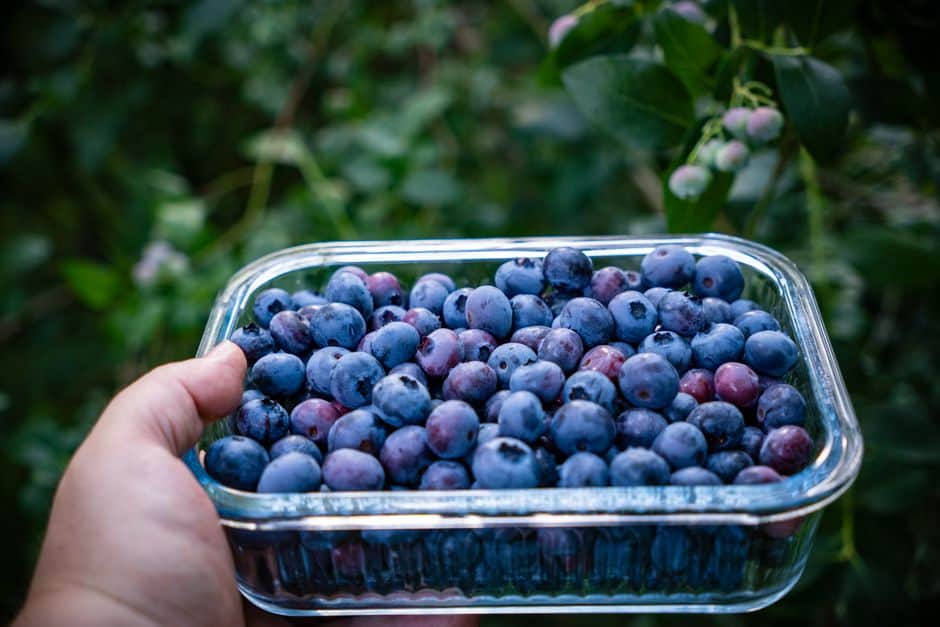
If you’ve ever wanted fresh blueberries from your own backyard but don’t have a lot of space, learning how to grow dwarf blueberries in containers is honestly a game changer. I tried it for the first time a few years ago on my little patio in Central Florida, and I was completely hooked. These compact little plants are adorable, productive, and surprisingly easy to manage. “how to Grow Dwarf Blueberries in Containers” is a popular choice for gardeners.
The best part? You don’t need a big yard or perfect garden soil. A container gives you total control over the growing conditions, which is a huge advantage here in Florida where our native soil is often too sandy or has the wrong pH for blueberries.
How to Grow Dwarf Blueberries in Containers: Picking the Right Variety
Not all blueberries work well in pots, so variety selection really matters. For Florida gardeners, you want to look for low-chill southern highbush or rabbiteye varieties that don’t need a long cold winter to produce fruit. Some of my favorites are “Sunshine Blue,” “Emerald,” and “Jewel” – all of these do really well in our warmer climate.
Dwarf varieties like Sunshine Blue stay around 3-4 feet tall, which makes them perfect for containers. They’re also pretty self-fertile, but blueberries almost always produce more fruit when you plant two different varieties near each other for cross-pollination. I always keep at least two pots side by side for this reason.
You can check out UF/IFAS Extension’s blueberry growing guide for a full list of Florida-recommended varieties. It’s a fantastic resource and totally free!
The Best Soil and Container Setup for Growing Dwarf Blueberries in Containers
For more gardening tips, check out: How to Grow Tomatoes in Containers: Complete Guide for Beginners
This is where so many beginners go wrong, and honestly, I made this mistake too at first. Blueberries are very picky about soil pH. They need acidic soil in the range of 4.5 to 5.5, which is much more acidic than most standard potting mixes.
I use a blend of peat moss and perlite, or you can buy a mix specifically made for acid-loving plants like azaleas and camellias. Either way, skip the regular all-purpose potting soil because it won’t keep the pH low enough. I also add a little sulfur to help bring the acidity down when needed.
For the container itself, go bigger than you think you need. A 15-20 gallon pot is ideal for a dwarf blueberry. Good drainage holes are a must because blueberries hate sitting in soggy water. I use fabric grow bags sometimes, and they work really well because they prevent overwatering and keep the roots healthy.
Watering, Feeding, and Sunlight Tips for Growing Dwarf Blueberries in Containers
Blueberries love full sun, so aim for at least 6-8 hours of direct sunlight each day. Here in Florida, afternoon shade during the hottest summer months can actually help prevent heat stress, especially in zones 9-11. I move my pots to a spot that gets morning sun and a little afternoon shade from June through August.
Watering is where you need to pay close attention. Containers dry out faster than garden beds, especially in Florida’s heat. I check my blueberry pots every day in summer and water whenever the top inch of soil feels dry. Blueberries have shallow roots, so they can’t pull moisture from deep in the soil the way other plants can.
For fertilizer, use an acidic fertilizer made for blueberries or azaleas. I feed mine every 4-6 weeks during the growing season with a slow-release granular formula. Don’t over-fertilize though – too much nitrogen will give you lots of leaves and very little fruit. Less is more here!
Pollination, Pruning, and Common Problems to Watch For
Once your plants are established, you’ll start to see flowers in late winter or early spring. This is so exciting! Bees are your best friends at this stage, so try to avoid spraying any pesticides while the plants are blooming. I actually plant some pollinator-friendly flowers nearby to attract more bees to the area.
Pruning is pretty simple for dwarf varieties. In the first year or two, pinch off any flowers so the plant puts its energy into root and branch development instead of fruit. I know it’s hard to do, but it really does pay off with a bigger harvest later. After that, just remove any dead or crossing branches in late winter before new growth starts.
Watch out for a few common pests in Florida, including spider mites and aphids. UF/IFAS recommends insecticidal soap spray as a safe first option for most soft-bodied insects. Also keep an eye on birds – they absolutely love ripe blueberries just as much as we do! A simple net draped over the plant works perfectly to protect your harvest.
Knowing how to grow dwarf blueberries in containers means you can enjoy fresh, homegrown fruit even without a traditional garden. With the right variety, acidic soil, good drainage, and plenty of sun, these little plants will reward you with a beautiful harvest year after year.
If you’re just starting out, don’t overthink it! Pick up a Sunshine Blue or Emerald variety, grab some acid-loving potting mix, and give it a try. I promise you’ll be so proud when you pick your first handful of berries straight from your own patio.
