

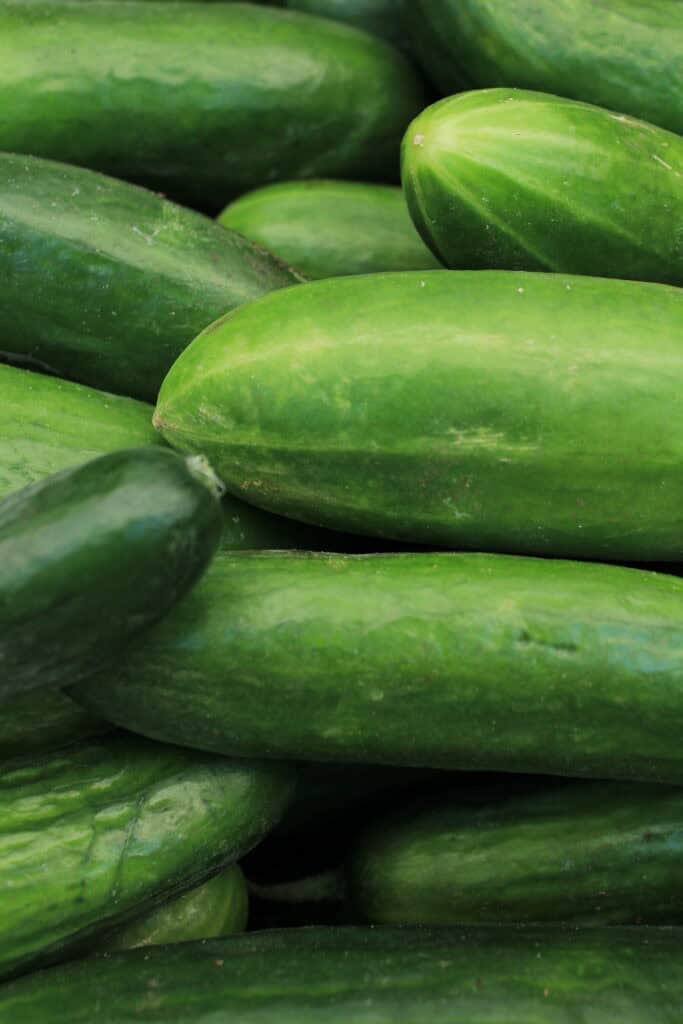
Learning how to grow cucumbers is one of the most rewarding gardening adventures you can start, especially here in Florida where our warm climate gives us such a long growing season. I’ve been growing these crispy, refreshing vegetables for years, and they never fail to amaze me with how productive they can be. There’s nothing quite like picking a fresh cucumber from your own garden and adding it to your salad or making homemade pickles.
Cucumbers are actually pretty forgiving plants once you understand their basic needs. They love warmth, need consistent water, and reward you with an abundance of fruit that keeps coming all season long. Plus, they’re perfect for both ground planting and containers, so even if you’re working with limited space, you can still enjoy homegrown cucumbers.
Getting Started: How to Grow Cucumbers from Seed
The best time to start cucumbers here in Florida is after our last frost, which means you can plant as early as March in most areas. I always start mine from seed because it’s so much cheaper than buying transplants, and cucumbers actually prefer being direct-seeded rather than transplanted. The seeds are large and easy to handle, making them perfect for beginner gardeners.
You’ll want to plant your seeds about an inch deep in well-draining soil that’s been enriched with compost. I space mine about 12 inches apart because these plants really spread out as they grow. If you’re planting in rows, keep them about 3 feet apart to give yourself room to walk and harvest. The soil temperature should be at least 65°F for good germination, which usually happens within 7-10 days in our warm Florida weather.
One thing I learned the hard way is that cucumbers are heavy feeders. Before planting, I always work in a good amount of compost or well-aged manure into the soil. This gives them the nutrients they need to produce all those delicious fruits. If your soil tends to be sandy like much of Florida, adding organic matter also helps retain moisture, which cucumbers absolutely need.
Essential Care Tips for Growing Healthy Cucumber Plants
Related article: How to Get Rid of Aphids on Tomato Plants Naturally
Water is probably the most important factor when learning how to grow cucumbers successfully. These plants need consistent moisture throughout the growing season, and I mean really consistent. I water mine deeply every 2-3 days, making sure the soil stays evenly moist but never waterlogged. Inconsistent watering leads to bitter cucumbers or misshapen fruits, and trust me, you don’t want that after all your hard work.
Mulching is your best friend with cucumbers. I use a thick layer of straw or shredded leaves around my plants to help retain moisture and keep the roots cool. This is especially important during our hot Florida summers when the soil can heat up quickly. The mulch also helps suppress weeds, which compete with your cucumbers for water and nutrients.
Most cucumber varieties are vining plants that love to climb, so providing some kind of support makes a huge difference. I use simple tomato cages or build trellises from bamboo poles and string. University of Florida extension research shows that vertical growing actually increases yields and makes harvesting much easier. Plus, it keeps the fruits off the ground where they’re less likely to rot or get eaten by pests.
Common Problems and How to Grow Cucumbers Successfully
Cucumber beetles are probably the biggest challenge you’ll face, especially here in Florida where they’re active almost year-round. These little striped or spotted beetles not only damage the plants by eating the leaves, but they also spread bacterial wilt disease. I’ve found that row covers work great for protecting young plants, but you’ll need to remove them once the plants start flowering so bees can pollinate.
Powdery mildew is another common issue, particularly during our humid summers. The leaves develop a white, powdery coating that eventually kills the plant if left untreated. Good air circulation is key to preventing this, which is another reason why I like growing cucumbers vertically. If you do see signs of powdery mildew, there are organic fungicides that work well, or you can try a homemade spray of baking soda and water.
Don’t panic if your first flowers drop off without forming cucumbers. This is totally normal! Cucumber plants produce both male and female flowers, and the males always appear first. The female flowers have a tiny cucumber-shaped swelling behind the bloom, and these are the ones that will develop into full-sized fruits once they’re pollinated.
Harvesting and Enjoying Your Cucumber Crop
The exciting part about growing cucumbers is how quickly they go from flower to harvest-ready fruit. Most varieties are ready to pick in just 7-10 days after the flower is pollinated. I check my plants daily once they start producing because cucumbers can go from perfect to overripe seemingly overnight, especially in our warm climate.
Size matters when it comes to harvesting, but bigger isn’t always better. I pick my slicing cucumbers when they’re about 6-8 inches long and still firm. Pickling varieties are best harvested smaller, around 3-4 inches. The key is to harvest regularly because leaving overripe cucumbers on the vine signals the plant to stop producing new ones.
USDA guidelines suggest storing fresh cucumbers in the refrigerator where they’ll keep for about a week. I like to wrap mine in paper towels to absorb excess moisture, which helps prevent them from getting slimy. Of course, the best way to enjoy them is straight from the garden while they’re still warm from the sun.
One of my favorite things about growing cucumbers is how versatile they are in the kitchen. Fresh cucumber water is incredibly refreshing during hot Florida summers, and homemade pickles are so much better than store-bought. I also love adding them to salads, sandwiches, and even blending them into cold soups.
Learning how to grow cucumbers successfully takes a little practice, but once you get the hang of it, you’ll wonder why you ever bought them from the store. The satisfaction of growing your own food, combined with the superior taste of homegrown cucumbers, makes all the effort worthwhile. Start with just a few plants your first season, and I guarantee you’ll be planning a bigger cucumber patch next year!
