

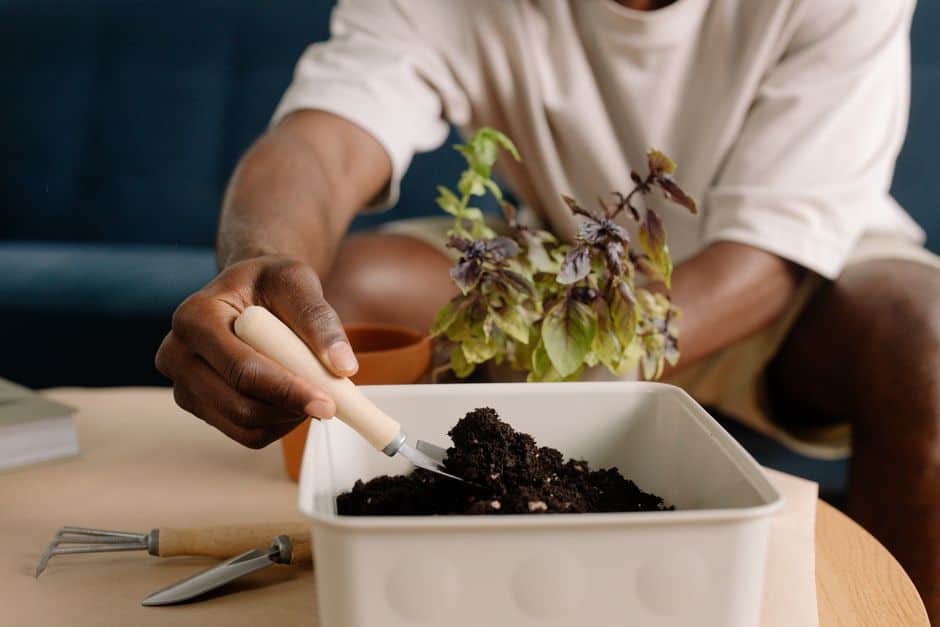
If you want to learn how to grow basil in self-watering containers on a sunny windowsill, you’re in for a treat. Basil is one of my all-time favorite herbs, and I’ve kept a pot or two on my kitchen window for years. Nothing beats snipping fresh leaves right into a pan of pasta sauce. How to Grow Basil in Self-watering Containers on a Sunny Windowsill is a popular choice for gardeners.
Self-watering containers take a lot of the guesswork out of growing herbs indoors. Basil gets thirsty fast, and I used to forget to water mine until the whole plant drooped like it was auditioning for a dramatic movie scene. A container with a built-in water reservoir fixed that problem for me.
The best part is how forgiving this setup is for beginners. You don’t need a green thumb or fancy equipment. You just need a sunny spot, a decent pot, and a little patience while your seedlings settle in.
Why Self-Watering Containers Work So Well for Basil
Basil likes its soil evenly moist, but not soggy. That’s a tricky balance when you’re watering from the top. Water too little and the leaves wilt, water too much and the roots start to rot.
A self-watering container has a reservoir at the bottom that feeds water up into the soil as the plant needs it. The soil stays steadily damp without drowning the roots. When I switched to these containers, my basil stopped swinging between thirsty and waterlogged, and the leaves got bigger and glossier.
You can buy self-watering pots at most garden centers, or you can make one from a plastic bottle or two nested containers. I’ve tried both. The store-bought ones are tidier on a windowsill, but my homemade version worked fine for a couple of seasons.
Choose a pot that’s at least 6 to 8 inches deep and wide. Basil roots like some room to stretch out. A tiny pot will keep the plant small and stressed.
Setting Up Basil in Self-Watering Containers on a Sunny Windowsill
Related article: “How to Get Rid of Fungus Gnats in Your Indoor Plants”
Light is the make-or-break factor here. Basil needs about 6 to 8 hours of bright light each day to stay bushy and full of flavor. A south-facing window is ideal, and an east or west window can work if it gets plenty of direct sun.
Here in Florida, I’ve learned that a window can get surprisingly hot. Glass magnifies the afternoon sun, and basil leaves can scorch if they press against a blazing pane. If you see crispy brown edges, pull the pot back a few inches or hang a sheer curtain to soften the light.
Fill your container with a light, well-draining potting mix. Skip garden soil, because it gets heavy and compacted in pots. I like a mix labeled for containers or herbs, with a little perlite stirred in for extra drainage.
You can start from seed or buy a small plant from the nursery. Seeds are cheap and fun, and they usually sprout in about a week when kept warm. Sprinkle a few on top of damp soil, cover them with a thin layer of mix, and keep everything moist until they pop up.
When your seedlings have two sets of true leaves, thin them so each plant has some breathing room. It feels mean to pull out healthy babies, but crowded basil gets leggy and prone to mold. I usually keep two or three plants per 8-inch pot.
Daily Care Tips for Growing Basil in Self-Watering Containers on a Sunny Windowsill
Once your basil is settled in, care is pretty relaxed. Fill the reservoir when it runs low, and check the water level every few days. In Florida’s heat, my reservoirs empty faster in summer, so I peek at them more often.
Even with a self-watering pot, I still give the top of the soil a quick finger test now and then. If it feels bone dry an inch down, I water gently from above to help things along. Seedlings especially need a little top watering until their roots reach the reservoir.
Pinching is the secret to bushy basil, and it’s the tip I wish I’d learned sooner. When your plant has about six leaves, snip off the top set just above a pair of leaves. The plant will branch out into two new stems, and you’ll get twice as much to harvest. You can read more about harvesting herbs in this helpful guide from UF/IFAS Gardening Solutions.
Pinch off any flower buds as soon as you spot them. Once basil flowers, the leaves turn bitter and the plant starts winding down. Keeping those buds trimmed tells your basil to keep making tasty foliage instead.
Feed your basil lightly every few weeks with a diluted liquid fertilizer. Too much food gives you lots of leaves with weak flavor. I mix mine at half strength and it works beautifully.
Troubleshooting and Harvesting Your Basil
Even happy basil has an off day now and then. Yellow leaves usually mean the soil is too wet or the plant needs more light. Black spots on the leaves can signal a cold draft, which basil hates, so keep it away from air conditioning vents and chilly windowpanes.
Tiny pests like aphids and whiteflies sometimes show up, especially in humid Florida homes. I rinse the leaves gently in the sink and wipe the undersides with a damp cloth. For stubborn bugs, a little insecticidal soap does the trick, and you can learn more about common herb pests through the University of Minnesota Extension.
Harvest often, because basil loves a haircut. Snip stems just above a pair of leaves, and never take more than a third of the plant at once. Fresh leaves taste best right away, and you can toss them into salads, sandwiches, and sauces within minutes of picking.
If you end up with extra, chop the leaves and freeze them in ice cube trays with a splash of olive oil. I do this every fall and enjoy summery flavor all winter. For more background on this herb’s history and varieties, check out Wikipedia’s basil page.
Growing basil on a windowsill is one of the most rewarding little projects you can try. Self-watering containers keep the work simple, and a sunny window does most of the heavy lifting. Before long, you’ll have a bushy plant and a steady supply of fresh leaves.
Don’t worry if your first pot isn’t perfect, because mine certainly wasn’t. Now you know how to grow basil in self-watering containers on a sunny windowsill, so grab a pot and give it a try. Your kitchen is about to smell amazing!
