

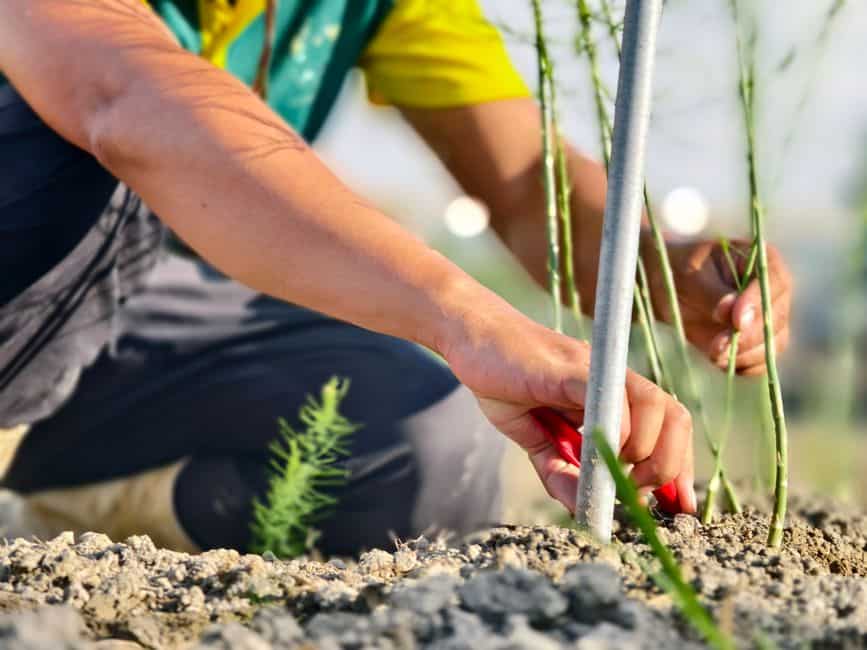
Learning how to grow asparagus from crowns: soil, spacing, and patience-based harvesting is one of the best things you can do for your garden. I planted my first bed years ago and almost gave up in the first season because nothing looked like the asparagus I buy at the store. Then I realized the plant was just busy building its roots. How to Grow Asparagus From Crowns: Soil, Spacing, and Patience-based Harvesting is a popular choice for gardeners.
Here’s the thing that makes asparagus so special. It’s a perennial, which means you plant it once and it comes back every spring for 15 years or more. Think about that for a second. One afternoon of work now means fresh, sweet spears for well over a decade.
Florida adds a few twists, since most asparagus guides are written for cold climates. Don’t worry, you can still do this. I’ll share what works for me, and I’ll point out where our heat and sandy soil change the game.
How to Grow Asparagus From Crowns: Picking Your Crowns and Your Spot
Crowns are just one-year-old asparagus plants sold as bare roots. They look like a spidery octopus with a bud in the middle. I always buy crowns instead of starting from seed because it saves you an entire year of waiting.
Look for crowns that feel firm and plump, not dried out or mushy. Mary Washington is the classic variety and it’s reliable almost everywhere. If you’re in North or Central Florida, you’ll have the best luck with it, and the University of Florida’s IFAS Extension guide to vegetable gardening is a great place to check planting dates for your area.
Asparagus needs full sun, so aim for at least 6 to 8 hours a day. Pick your spot carefully because this bed is going to stay put for a very long time. I chose a corner along the back fence where it wouldn’t get in the way of my yearly veggie rotation.
One honest note about Florida. Asparagus loves a winter rest, and our mild winters don’t give it much of one. Gardeners in the Panhandle and North Florida have the most success, while South Florida growers often treat it as a challenge. Plant in fall or winter, around November through February, so the crowns settle in during our cooler months.
Soil Prep That Sets Up Your Asparagus for Years
Related article: Chaos Gardening Explained
Soil is where I put most of my effort, because you only get one chance to do this right. Asparagus wants loose, well-draining soil with a pH around 6.5 to 7.5. Our Florida sand drains fast, which is great, but it’s also low in nutrients and a bit acidic.
I test my soil first with a simple kit or through the county extension office. Many Florida soils need a little lime to bring the pH up. Then I mix in lots of compost, aged manure, or both, because sand just doesn’t hold nutrients on its own.
Weeds are the number one enemy of an asparagus bed. Their roots tangle up with the crowns and they’re a nightmare to pull later. So I clear every last weed before planting, including the roots, and I keep mulching all year long.
Drainage matters just as much. Asparagus crowns rot in soggy ground, and Florida’s summer rains can be intense. If your yard stays wet, build a raised bed or plant on a gentle mound so water runs away from the roots.
Spacing and Planting Your Crowns the Right Way
Now for the fun part, which is actually getting those crowns in the ground. Dig a trench about 6 to 8 inches deep and roughly a foot wide. I make mine in the shape of a long, shallow ditch right in the prepared bed.
Space your crowns about 12 to 18 inches apart along the trench. If you plant more than one row, leave around 3 to 4 feet between rows. It feels like a lot of empty space at first, but those ferny plants fill out and get surprisingly big.
Set each crown on a little mound of soil in the bottom of the trench and spread the roots out like an umbrella. Place the buds facing up. Then cover them with just 2 inches of soil to start.
Here’s the trick I learned from experience. As the shoots grow over the next few weeks, keep adding soil until the trench is filled in level with the ground. This gentle approach helps the plants push up strong instead of struggling through a deep blanket of dirt right away.
Water well after planting and keep the soil evenly moist, not soaked. I mulch with a few inches of straw or pine bark to hold in moisture and block weeds. That mulch is a lifesaver during our hot, dry spells.
Patience-Based Harvesting: Waiting Pays Off
This is the part that tests everyone, and I’ll be honest, it tested me too. You shouldn’t harvest at all during the first year after planting. The plants need every bit of energy to grow big, strong roots.
In year two, you can pick lightly for about two to three weeks. Only cut the spears that are thicker than a pencil. By year three, you can harvest for six to eight weeks, and from then on you get a full season of spears.
When harvesting, I snap or cut spears at ground level when they’re around 6 to 8 inches tall. The tips should still be tight and closed. Check your bed daily in spring because spears can shoot up several inches in a single warm day.
Stop harvesting when new spears get skinny, about pencil-thin or smaller. That’s the plant telling you it needs to recharge. Let those last spears grow into tall, feathery ferns, which feed the roots for next year’s crop.
If you want more detail on timing and care, the University of Minnesota Extension asparagus guide breaks down the harvest schedule well. Cold climates are different from ours, but the patience rule is exactly the same. Keep the bed watered and fed with a balanced fertilizer after harvest season ends.
Cut the old ferns back once they turn brown, which in Florida often happens in winter. I leave them standing until they’ve fully yellowed so the roots get all the energy they can. Then I clean up the bed and add fresh compost before spring.
Growing asparagus asks for a little faith, but the reward is worth every bit of waiting. Prep your soil well, give the crowns room to spread, and resist the urge to pick too early. Your future self will thank you with armloads of sweet, tender spears.
If you’re ready to try how to grow asparagus from crowns: soil, spacing, and patience-based harvesting in your own yard, start with just a dozen crowns. Even if your first season looks like a patch of weird green fluff, you’re doing it right. I promise that first spring harvest will make you grin from ear to ear!
