

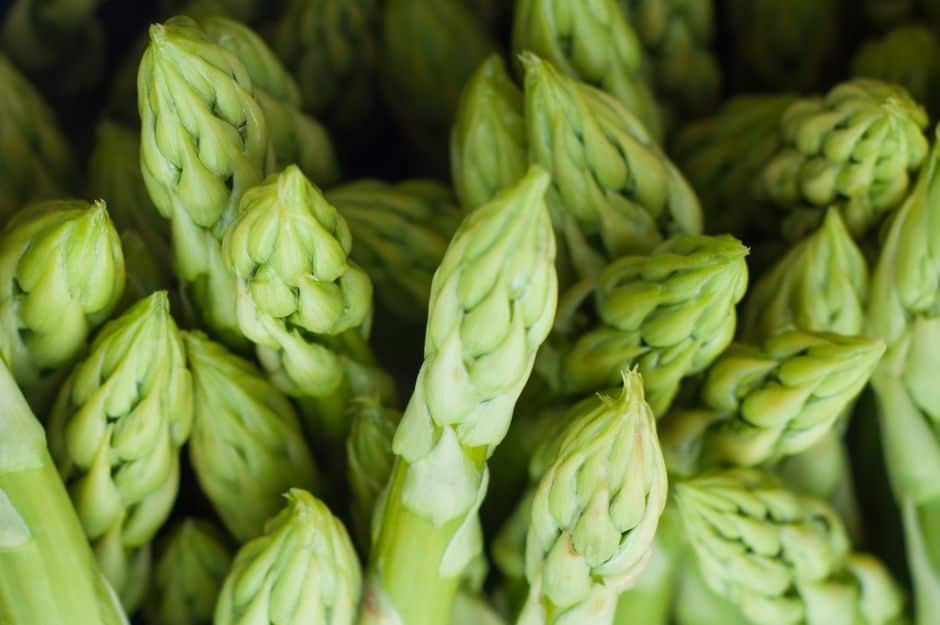
If you want a veggie that comes back every spring without replanting, you need to know how to grow asparagus from crowns for a perennial harvest. I planted my first bed years ago, and I still get tender spears from it today. It’s honestly one of the best long-term investments you can make in your garden. How to Grow Asparagus From Crowns for a Perennial Harvest is a popular choice for gardeners.
Here’s the part that surprises people. Asparagus is a perennial, so one planting can feed you for 15 to 20 years or more. You do have to be patient at the start, but the payoff is huge.
Florida gardeners can grow it too, though we have to get a little creative. Our heat and humidity are different from what most asparagus guides assume. Don’t worry, I’ll share what has worked for me.
How to Grow Asparagus From Crowns: Getting Started Right
A crown is just a young asparagus plant with a clump of fleshy roots that look a bit like a sleepy octopus. Crowns are the way to go because they save you about a year compared to starting from seed. Most people buy one-year-old crowns from a nursery or a trusted online seller.
Pick a spot that gets full sun, meaning at least 6 to 8 hours a day. Remember that this bed will stay put for a very long time, so choose carefully. I made the mistake of planting my first crowns where I later wanted to put a shed, and moving them was no fun.
Asparagus needs soil that drains really well. Soggy roots rot fast, and that is the number one way people lose their crowns. If your yard holds water, build a raised bed instead.
Most of us in Florida have sandy soil, which drains great but holds almost no nutrients. I mix in lots of compost to fix that. The University of Florida’s Gardening Solutions guide on asparagus is a great place to check what works in our climate.
Planting Asparagus Crowns for a Perennial Harvest
You might also enjoy: How to Propagate Succulents
Timing matters a lot here. In northern areas, crowns go in during early spring. In Florida, the best planting window is usually late fall through winter, roughly November to February, when the weather is cooler. Planting in the summer heat is just asking for stressed crowns.
Dig a trench about 6 to 8 inches deep and a foot wide. Add a few inches of compost to the bottom. Then make little mounds along the trench floor and set each crown on top of a mound, spreading the roots down the sides like a skirt.
Space your crowns about 12 to 18 inches apart. They look tiny at first, but they fill in faster than you’d think. Cover them with just 2 inches of soil to start.
Over the next few weeks, as the ferny shoots grow, keep adding soil until the trench is level. This gradual filling helps the plants push up strong. I like to water in my crowns really well right after planting, then keep the soil lightly moist but never soggy.
Caring for Your Asparagus Bed So the Harvest Lasts
Here is the hardest part of this whole process, and I’ll be honest, it tested my patience. You shouldn’t harvest anything the first year. In the second year, you can pick lightly for a couple of weeks. By year three, you can finally harvest for about 6 to 8 weeks.
Skipping those early harvests lets the roots build up energy. A strong root system means more spears for years to come. When I rushed it on my first bed, the plants got weak and the spears came out skinny.
Weeds are asparagus’s biggest enemy, since the plants don’t like competition. I spread a thick layer of mulch, like pine straw or shredded leaves, to keep weeds down and hold moisture. In our Florida heat, mulch is a lifesaver.
Feed your bed with compost each year, plus a balanced fertilizer in early spring. Water deeply during dry spells, about an inch a week. Asparagus beetles and rust can show up, so check the ferns now and then.
Harvesting and Enjoying Your Asparagus
Once your bed is ready, the harvest is the fun part. Pick spears when they’re about 6 to 8 inches tall and as thick as a pencil. Snap or cut them at ground level with a sharp knife.
Don’t be tempted to harvest forever. Stop picking after a few weeks and let the spears grow into tall, feathery ferns. Those ferns feed the roots for next year’s crop. The folks at University of Minnesota Extension have a nice breakdown of harvest timing if you want more detail.
In fall, once the ferns turn yellow or brown, cut them down and clear them away. This helps cut down on pests that overwinter in the old foliage. In Florida, our ferns sometimes stay green longer, so I trim them when they start to look tired.
Fresh asparagus tastes so much better than store-bought. It’s sweet and tender, and it cooks in just a few minutes. I toss mine with olive oil and a pinch of salt and roast them until the tips get crispy.
Growing your own asparagus takes some patience, but it is so worth it. Once you learn how to grow asparagus from crowns for a perennial harvest, you’ll have a gift that keeps on giving for decades. Just plant it right, be kind to it in those early years, and let the roots do their thing.
If you try it, I’d love to hear how your bed turns out. Even if your first attempt has a few bumps, stick with it. Mine did too, and now I can’t imagine my garden without it.
