

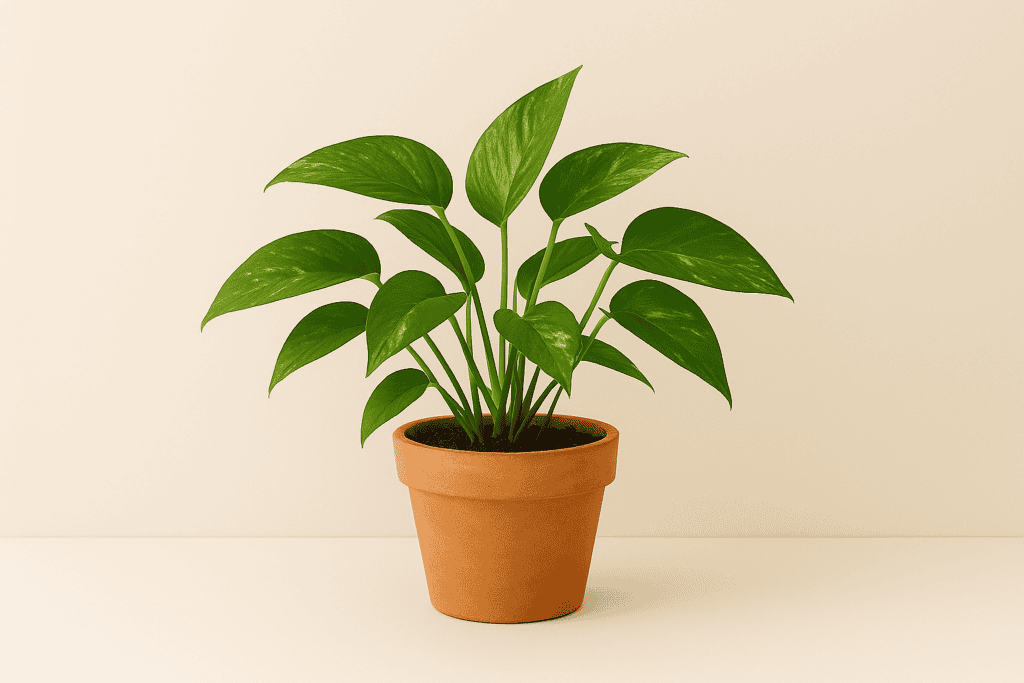
If you’re looking for the perfect beginner houseplant, let me tell you about how to grow and care for pothos (devil’s ivy)! I’ve been growing these gorgeous trailing beauties in my Florida home for years, and they never fail to impress me with their easygoing nature. How to Grow and Care for Pothos (devil’s Ivy) is a popular choice for gardeners.
Pothos (Epipremnum auream), commonly referred to as devil’s ivy, golden pothos, and hunter’s rove, is a great starter plant for the beginner.
They’re honestly one of the most forgiving plants you can have, and I love how they brighten up any corner of the house with their heart-shaped leaves and cascading vines.
Because of its attractive foliage, low maintenance requirements and virtual indestructibility, the pothos plant is one of the most popular houseplants in temperate regions.
What makes these plants so special is their incredible adaptability – they can handle everything from bright indirect light to lower light conditions, making them perfect for almost any spot in your home.
It grows quickly, as much as 12 to 18 inches in length in a month.
That fast growth means you’ll see results quickly, which is so encouraging when you’re just starting your plant parent journey!
Getting Started with Pothos Devil’s Ivy Care
When I first started growing pothos, I was amazed by how simple their care requirements are.
Pothos are truly low-care plants.
The key to success is understanding their basic needs and not overthinking it. These plants originally come from tropical regions, but they’ve adapted beautifully to indoor life.
Pothos plants thrive in bright, indirect light to morning direct sun, but they can tolerate medium to low indirect light.
I keep most of mine near east-facing windows where they get gentle morning light, but I also have some thriving in my bathroom with just artificial lighting. The beautiful thing about pothos is that
it’s tolerant of all kinds of conditions and neglect – it’s thought it gets one of its common names, devil’s ivy, because it can grow in low light levels and is virtually impossible to kill.
For soil, stick with something simple.
Pothos does best in well-drained potting soil.
I use regular houseplant potting mix, and sometimes I’ll add a handful of perlite if I have it on hand to improve drainage.
Choose a pot with a drainage hole in the bottom. Pothos plants do not like to sit in wet soil; their roots will rot.
Trust me, good drainage is your best friend with these plants!
Mastering Pothos Watering and Growing Conditions
Also read: My Top 5 Beginner House Plants
Here’s where I see most people get confused, but watering pothos is actually super straightforward.
Thoroughly water the plant and let the soil dry out between waterings.
I use the finger test – I stick my finger about two inches down into the soil, and if it feels dry, it’s time to water.
Water your Pothos every 1-2 weeks, allowing soil to dry out between waterings.
The biggest mistake I see people make is overwatering.
Continuous damp soil will promote rotting roots. Black spots on the leaves are an indication that the soil has been kept too wet.
If you notice yellow leaves, that’s often a sign you’re watering too frequently. Here in Florida, where humidity is naturally high, I water mine less often than I would in a drier climate.
Pothos prefer high humidity, and bathrooms or kitchens make a great location in your home.
Your plant will prefer a humidity range between 50% and 70%.
If you notice brown tips on the leaves, try increasing humidity by placing a pebble tray under the pot or running a humidifier nearby.
Temperature-wise, these plants are pretty flexible.
Pothos can tolerate a range of temperatures, but they grow best between 70°F and 90°F. Above and below these temperatures, they won’t grow as well.
That makes them perfect for Florida’s warm climate, but they’ll do fine in most homes year-round.
Simple Pothos Plant Care and Maintenance
One of my favorite things about how to grow and care for pothos (devil’s ivy) is how little maintenance they need.
Feed every six to eight weeks with a houseplant fertilizer.
I use a balanced liquid fertilizer during spring and summer, but
it is good to refrain from feeding the plant during its dormant winter months.
Pruning is where you can really have fun with your pothos!
Trim long runners to keep the plant full and dense.
I love to trim mine when the vines get too long, and here’s the best part – you can use those cuttings to propagate new plants!
Pothos plants tolerate heavy pruning and can help if the vines get too long or you want to encourage growth. You can always use the trimmed parts to propagate and fill in any sparse patches in your pot, start a new plant, or share with a friend.
Periodically, clean the foliage. Place the pothos plant in a sink or shower and run lukewarm water over the leaves and stems.
This keeps them looking shiny and helps them breathe better. I do this monthly, and it makes such a difference in how healthy they look.
repot when its roots start growing out of the drainage holes or when it becomes root-bound, typically every 1-2 years depending on how fast it grows.
Spring is the best time to repot, as the plant is actively growing.
Propagating Your Pothos Collection
This is honestly my favorite part of growing pothos – they’re so easy to propagate!
The process to create more plants is easy. All you need is a stem cutting.
I’ve probably given away dozens of pothos babies to friends and family over the years.
See the little brown bumps on the vine? Those are called nodes, and that’s where new roots will form.
To take a stem cutting, you need to cut just below a node on the stem. Place the cutting in water and sit back and watch the roots form.
I use small glass jars and place them on my kitchen windowsill where I can watch the magic happen.
It typically takes three to six weeks for pothos cuttings to grow roots.
When you have well-established roots, transplant the cutting in a pot with potting soil.
I usually wait until the roots are about 2 inches long before planting them.
You can put multiple cuttings in the pot to make a full plant instantly.
The beauty of pothos propagation is that you can do it year-round, though they root faster in warmer months.
After you trim the cuttings and place them in water, roots typically start to form in about 10 days. Once this happens you can pot your pothos in soil.
Growing pothos has brought me so much joy over the years. They’re perfect for beginners because they’re incredibly forgiving, but they’re also rewarding for experienced plant parents who love easy propagation and quick growth. Whether you let them trail from a hanging basket, climb up a moss pole, or drape along a shelf, these versatile plants adapt to whatever style you want.
I live in southern Florida, so pothos do quite well outside.
But even if you’re growing them indoors year-round, you’ll find that mastering how to grow and care for pothos (devil’s ivy) opens up a world of green possibilities for your home. Start with one, and I guarantee you’ll soon have a whole collection of these delightful trailing beauties!
