

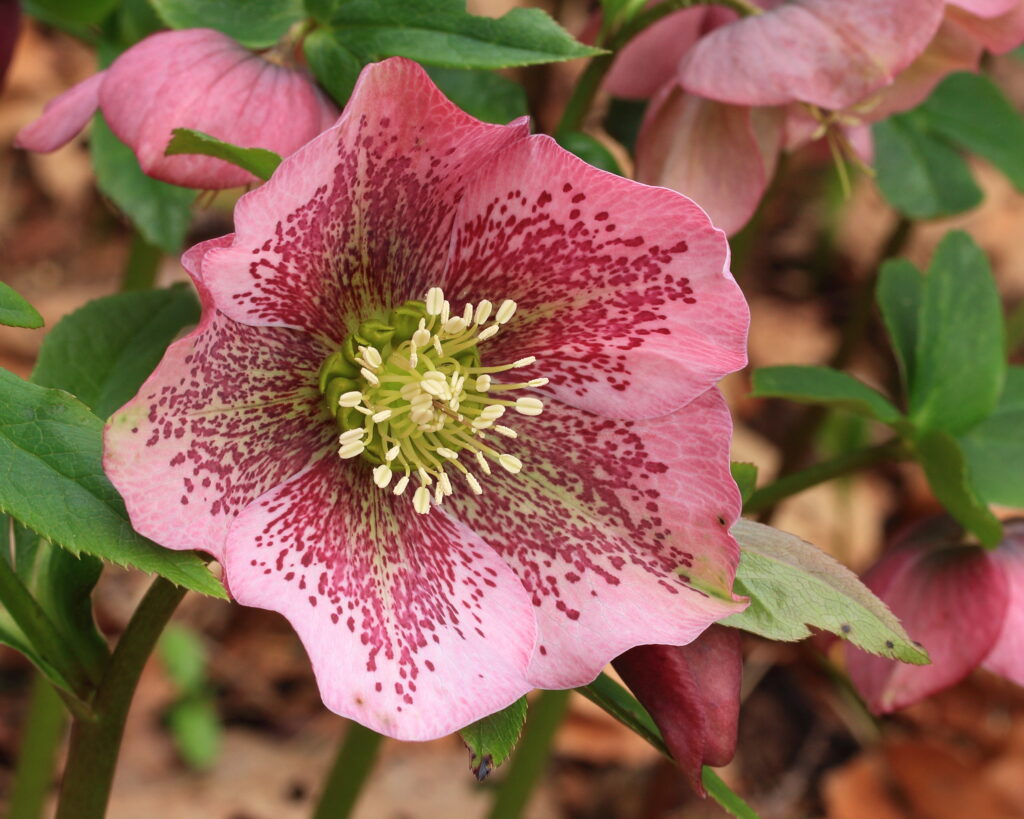
If you’re wondering how to grow and care for hellebores (lenten rose), you’re in for a treat! These gorgeous winter-blooming perennials have become one of my absolute favorite plants over the years. I first discovered hellebores at a local nursery about five years ago, and I was instantly smitten with their elegant nodding flowers and the fact that they bloom when everything else in the garden looks dead. What really sold me was learning they’re practically indestructible once established and they actually prefer shade, which is perfect for those tricky spots under trees where nothing else wants to grow. How to Grow and Care for Hellebores (lenten Rose) is a popular choice for gardeners.
Hellebores are native to Europe and Asia, but they’ve adapted beautifully to gardens across the United States. The common name “lenten rose” comes from their tendency to bloom during the Lenten season in late winter and early spring, though they’re not actually related to roses at all. I love that these plants give you something beautiful to look at when the rest of the garden is still sleeping!
Getting Started: How to Grow and Care for Hellebores Successfully
The best thing about learning how to grow and care for hellebores is discovering just how easy they really are. I planted my first hellebores in a partially shaded area under my oak tree, and they’ve been thriving there ever since. These plants absolutely love shade to partial shade, making them perfect for those areas where you struggle to find plants that will actually flourish.
When it comes to soil, hellebores aren’t too picky, but they do appreciate well-draining soil that’s rich in organic matter. I always mix in some compost when I’m planting new hellebores, and they seem to love it. The soil pH should be neutral to slightly alkaline, but honestly, I’ve never tested my soil pH and my hellebores are doing just fine. They’re pretty forgiving that way!
Here in Florida, I’ve found that hellebores do best in zones 8 and 9, though they can be a bit challenging in the extreme heat of South Florida. If you’re in a warmer zone like I am, make sure to plant them in the shadiest spot you can find and keep them well-watered during our brutal summer months. I’ve learned that morning sun with afternoon shade works perfectly for Florida gardeners.
The timing of planting matters too. I always plant my hellebores in fall or early winter, which gives them time to establish their root systems before the heat hits. This is especially important in warmer climates where summer stress can really knock them back.
Essential Care Tips for Healthy Hellebore Plants
For more gardening tips, check out: How to Get Rid of Aphids on Tomato Plants Naturally
Once your hellebores are established, caring for them becomes incredibly simple. Watering is probably the most important aspect of hellebore care, especially during their first year. I water mine deeply about once a week during dry spells, but I’m careful not to overwater because they don’t like soggy soil. The key is keeping the soil consistently moist but never waterlogged.
Fertilizing hellebores doesn’t require anything fancy. I give mine a light application of balanced, slow-release fertilizer in early spring, right when I start seeing new growth. Some gardeners swear by bone meal, and I’ve tried that too with good results. The truth is, if you’ve got decent soil with some organic matter mixed in, hellebores don’t need much extra feeding.
One thing I learned the hard way is that hellebores don’t like to be disturbed once they’re happy in a spot. I tried moving a mature plant a few years ago, and it took nearly two full seasons to recover and start blooming again. Now I’m much more careful about choosing the right location from the start.
Mulching is something I always recommend for hellebores, especially here in Florida where the soil can dry out quickly. I use a 2-3 inch layer of organic mulch around my plants, keeping it pulled back from the crown to prevent rot issues. This helps retain moisture and keeps the roots cool during our hot summers.
Dealing with Common Hellebore Growing Challenges
Even though hellebores are generally low-maintenance, there are a few issues you might run into when learning how to grow and care for hellebores. The most common problem I see is crown rot, which usually happens when the soil stays too wet or when mulch is piled too close to the plant’s base. I’ve lost a couple plants to this over the years before I figured out the proper mulching technique.
Aphids can sometimes be a problem, especially on new growth in spring. I usually just spray them off with the hose, but you can use insecticidal soap if the infestation is severe. University extension services have great resources for identifying and treating common garden pests if you need more detailed information.
Another issue I’ve encountered is leaf spot disease, which shows up as dark spots on the leaves. This is more common in humid climates like ours here in Florida. The best prevention is making sure your hellebores have good air circulation and avoiding overhead watering. If you do get leaf spot, just remove the affected leaves and dispose of them in the trash, not your compost pile.
Sometimes gardeners get worried when their hellebores don’t bloom the first year after planting. Don’t panic! This is totally normal, especially if you planted them from small nursery plants. Hellebores often take a year or two to get established before they start producing their beautiful flowers. I tell all my gardening friends to be patient because the wait is absolutely worth it.
Enjoying Your Hellebores Year After Year
One of the things I love most about hellebores is how they improve with age. My oldest plants are now massive clumps that produce dozens of flowers each winter, creating the most gorgeous display when everything else looks dormant. The flowers last for months too, slowly fading from their initial colors to lovely green tones that are just as attractive.
If you want to propagate your hellebores, the easiest method is division, though it requires patience. I divide mine every 4-5 years in early fall, carefully separating the crowns with a sharp knife. Each division needs to have both roots and growing points to be successful. I’ve also had good luck letting my hellebores self-seed, though the offspring might not look exactly like the parent plants.
The cut flowers are absolutely stunning in arrangements, and they last surprisingly long in a vase. I love bringing a few stems inside during winter when there’s not much else blooming in the garden. Just remember to cut them early in the morning and immediately put the stems in water.
For companion planting, hellebores pair beautifully with other shade-loving perennials like hostas, ferns, and heuchera. I’ve created some lovely woodland-style plantings by combining hellebores with these plants, and the different textures and colors work together perfectly throughout the seasons.
Learning how to grow and care for hellebores has been one of the most rewarding experiences in my gardening journey. These remarkable plants offer so much beauty with so little effort, and they’ve taught me to appreciate the quieter seasons in the garden. Whether you’re a beginner gardener or someone with years of experience, hellebores are definitely worth adding to your shade garden. Trust me, once you see those elegant flowers nodding in the winter breeze, you’ll be hooked just like I was! Many gardening resources can help you find the perfect varieties for your specific growing conditions, so don’t be afraid to experiment with different types and colors.
