

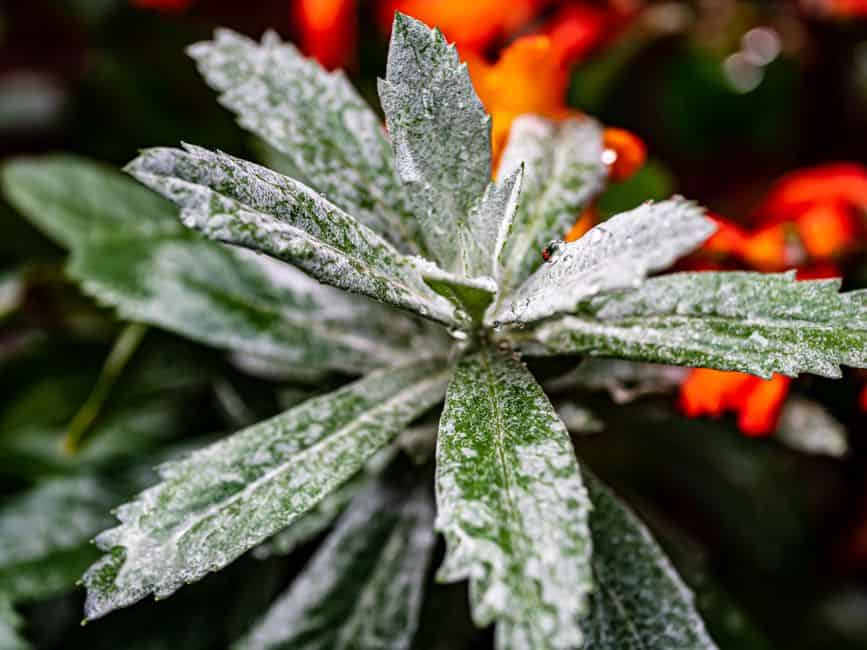
If you’ve ever walked out to your garden and spotted those chalky white patches spreading across your squash leaves, you already know the frustration. Learning how to get rid of powdery mildew on squash plants is something almost every squash grower deals with at some point. I’ve been there more times than I’d like to admit, staring at my beautiful zucchini plants wondering what went wrong. “how to Get Rid of Powdery Mildew on Squash Plants” is a popular choice for gardeners.
The good news is that powdery mildew is very treatable, and you don’t need a ton of fancy products to fix it. With a little know-how and some quick action, your squash plants can bounce right back.
What Causes Powdery Mildew on Squash Plants
Powdery mildew is a fungal disease, and it loves warm days combined with cool nights and high humidity. That’s basically Florida’s fall and spring weather in a nutshell, which is why I see it constantly in my garden during those seasons. The fungus spreads through tiny airborne spores that land on your leaves and set up shop.
Here’s something that surprised me when I first started gardening: powdery mildew doesn’t actually need wet leaves to spread. Unlike a lot of other fungal diseases, it thrives in dry conditions with just moderate humidity in the air. So watering your leaves doesn’t cause it, but poor air circulation definitely makes things worse.
Squash plants are especially vulnerable because they have such big, broad leaves that sit close together. When the leaves overlap and crowd each other, air can’t flow through the plant freely. That warm, still air between the leaves is basically a perfect little home for mildew spores to grow.
You can read more about how powdery mildew spreads and affects plants over at the University of Minnesota Extension, which has some really solid information on fungal diseases in the garden.
How to Get Rid of Powdery Mildew on Squash Plants Fast
Also read: What to Plant in Florida in May Before Summer Heat
The moment you spot those white powdery patches, start treating right away. The faster you act, the easier it is to stop the spread. I’ve learned from experience that waiting even a few days lets the mildew get a real foothold on the plant.
First things first: remove any heavily infected leaves. I know it feels drastic, but cutting off the worst leaves stops the spores from spreading to healthy parts of the plant. Just bag those leaves and throw them in the trash, not the compost pile. You definitely don’t want mildew spores hanging out in your compost.
After pruning, try a baking soda spray. Mix one tablespoon of baking soda with one teaspoon of dish soap and a gallon of water, then spray it all over the affected leaves, including the undersides. The baking soda changes the pH on the leaf surface, which makes it much harder for the fungus to survive. I spray mine in the early morning so the leaves dry out during the day.
Another option I love is a diluted neem oil spray. Neem oil is a natural fungicide and pesticide all in one, which is a great bonus for us Florida gardeners dealing with multiple pest issues at once. Mix two tablespoons of neem oil with a gallon of water and a few drops of dish soap, and spray every seven to ten days until the mildew clears up.
Preventing Powdery Mildew on Squash in Your Garden
Once you’ve dealt with an outbreak, you’ll want to make sure it doesn’t come back. Prevention really is so much easier than treatment, and a few simple habits can make a huge difference. I completely changed how I plant my squash after my first bad mildew season.
Give your squash plants plenty of space. I plant mine at least three feet apart so air can circulate freely between them. It feels like a lot of room when the plants are tiny seedlings, but trust me, squash spreads out fast and gets big quickly. Good spacing is one of the best things you can do for healthy plants.
Water at the base of the plant, not overhead. Wet leaves aren’t the direct cause of powdery mildew, but keeping foliage dry reduces stress on the plant overall. I use a drip irrigation setup in my garden, and it’s made a noticeable difference in plant health across the board.
You can also look for mildew-resistant squash varieties when you’re shopping for seeds. Plant breeders have done amazing work developing varieties that hold up much better against fungal diseases. Seed catalogs usually note which varieties have disease resistance, so keep an eye out for that when planning your garden.
Keeping Your Squash Plants Healthy All Season Long
Healthy plants fight off disease so much better than stressed ones. This sounds simple, but it took me a while to really understand how connected plant health and disease resistance are. When your squash is thriving, it has a much better chance of shrugging off a mildew attack.
Make sure your squash gets at least six to eight hours of full sun every day. Squash is a sun-loving vegetable, and shaded plants tend to be weaker and more prone to disease. Here in Florida, I plant my squash in the fall or early spring to avoid the brutal summer heat, which stresses the plants and makes them more vulnerable.
Feed your squash regularly with a balanced vegetable fertilizer. I use a slow-release granular fertilizer at planting, then switch to a liquid feed every few weeks once the plants start flowering. Well-nourished plants grow stronger leaves that resist disease better.
The University of Florida IFAS Extension has fantastic guidance on growing squash in Florida’s climate, including timing, fertilizing, and dealing with common problems. It’s one of my go-to resources whenever I have a question about Florida-specific gardening.
Check your plants regularly, at least a few times a week during the growing season. Catching problems early, whether it’s mildew, pests, or nutrient issues, makes everything so much easier to manage. I do a quick walk-through of my garden every morning with my coffee, and it’s honestly one of my favorite parts of the day.
Knowing how to get rid of powdery mildew on squash plants gives you the confidence to tackle this common problem without panic. A baking soda spray, some strategic pruning, and better spacing can turn things around quickly. Don’t let a little white fuzz discourage you from growing squash, because these plants are absolutely worth the effort.
You’ve got this! With a little attention and the right approach, your squash plants will be producing all season long.
