

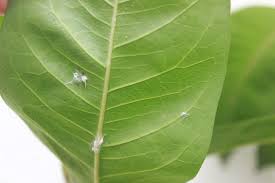
Nothing makes my heart sink faster than discovering tiny green aphids covering my beautiful tomato plants! If you’re wondering how to get rid of aphids on vegetable plants naturally, you’re in the right place. These little pests can multiply incredibly fast and damage your precious vegetables, but the good news is you don’t need harsh chemicals to send them packing. How to Get Rid of Aphids on Vegetable Plants Naturally is a popular choice for gardeners.
I’ve been dealing with aphids in my Florida garden for years, and I’ve learned that natural methods work just as well as chemical sprays. Plus, they’re safer for your family, pets, and the beneficial insects that actually help your garden thrive.
Understanding Aphids and Why Natural Methods Work Best for Getting Rid of Them
Aphids are those tiny, soft-bodied insects that love to cluster on new growth, stems, and the undersides of leaves. They come in green, black, red, or white colors and literally suck the life out of your plants by feeding on their sap. I remember the first time I saw them on my pepper plants – it looked like someone had sprinkled tiny green rice all over the leaves!
What makes aphids so frustrating is how quickly they reproduce. A single female can produce up to 80 offspring in just one week without even needing to mate! In Florida’s warm climate, this means we can have multiple generations throughout the growing season.
The reason I always choose natural methods to get rid of aphids on vegetable plants naturally is because chemical pesticides often kill beneficial insects too. Ladybugs, lacewings, and parasitic wasps are nature’s aphid control team, and we want to keep them around. Plus, if you’re growing food, you don’t want to spray chemicals on something you’re going to eat.
Natural aphid control also tends to be gentler on your plants. I’ve seen chemical sprays burn tender leaves, especially during hot Florida afternoons. Natural methods work with your garden’s ecosystem instead of against it.
Simple Spray Solutions to Get Rid of Aphids on Vegetable Plants Naturally
For more gardening tips, check out: Grow Purple Shamrock with me!
My go-to method for dealing with aphids is a simple soap spray that I can whip up in minutes. Mix one tablespoon of mild liquid dish soap (not detergent!) with one quart of water in a spray bottle. I spray this directly on the aphids in the early morning or evening when it’s cooler.
The soap works by breaking down the aphids’ protective coating, causing them to dehydrate. I usually see results within 24 hours, and the best part is it’s completely safe around kids and pets. Just make sure to rinse the plants with clean water a few hours after spraying to prevent any soap buildup.
Another effective spray I love is the garlic and pepper solution. I blend three cloves of garlic and one small hot pepper with two cups of water, then strain out the solids. This creates a natural repellent that aphids absolutely hate. The smell might be strong for us, but it’s unbearable for these tiny pests.
For a gentler approach, try a milk spray made with one part milk to two parts water. This sounds weird, but it actually works by creating an environment that’s hostile to aphids while being completely harmless to your plants. I discovered this method by accident when I spilled some milk near my cucumber plants and noticed the aphids avoided that area!
How to Get Rid of Aphids on Vegetable Plants Naturally Using Beneficial Insects
One of my favorite long-term strategies is attracting beneficial insects that naturally control aphid populations. Ladybugs are probably the most famous aphid predators – a single ladybug can eat up to 50 aphids per day! I plant sweet alyssum, dill, and fennel around my vegetable garden to attract them.
Lacewings are another fantastic ally in the fight against aphids. Their larvae are sometimes called “aphid lions” because they’re such voracious predators. Adult lacewings are attracted to plants like cosmos, coreopsis, and angelica. I always keep some of these flowering plants mixed in with my vegetables.
You can actually purchase beneficial insects online or from garden centers if your natural population needs a boost. I’ve done this a few times when aphid infestations got out of hand early in the season. Just release them in the evening when it’s cooler, and make sure you have some pollen and nectar sources available to keep them happy.
Parasitic wasps might sound scary, but they’re tiny and don’t sting humans. They lay their eggs inside aphids, which eventually kills the pest. You’ll know they’re working when you see brown, mummified aphids on your plants – that’s actually a good sign that the wasps are doing their job!
Physical Removal and Prevention Strategies That Really Work
Sometimes the most effective approach is the simplest one. I often start by blasting aphids off my plants with a strong spray from the garden hose. This works especially well on sturdy plants like tomatoes and peppers. The key is to spray the undersides of leaves where aphids like to hide.
For more delicate plants, I use a soft brush or my fingers to gently wipe the aphids away. It might seem tedious, but it’s actually quite satisfying once you get into a rhythm! I always wear gloves and have a bucket of soapy water nearby to dunk the aphids in.
Row covers can be a game-changer for preventing aphid problems in the first place. I use lightweight fabric covers over my young plants, especially during peak aphid season in spring and fall here in Florida. Just remember to remove them once plants start flowering if they need pollination.
Companion planting has been one of my most successful prevention strategies. I plant strong-smelling herbs like basil, cilantro, and chives throughout my vegetable garden. Research shows that these aromatic plants can help repel aphids naturally. Plus, I get fresh herbs for cooking – it’s a win-win!
Dealing with aphids doesn’t have to involve harsh chemicals or expensive treatments. These natural methods have kept my vegetable garden healthy and productive for years, even in Florida’s challenging climate where pests can be active year-round.
Remember, the key to success with natural aphid control is consistency and early intervention. Check your plants regularly, especially during cooler months when aphids are most active, and you’ll be able to tackle problems before they get out of hand. Your vegetables (and your family) will thank you for choosing the natural route!
