

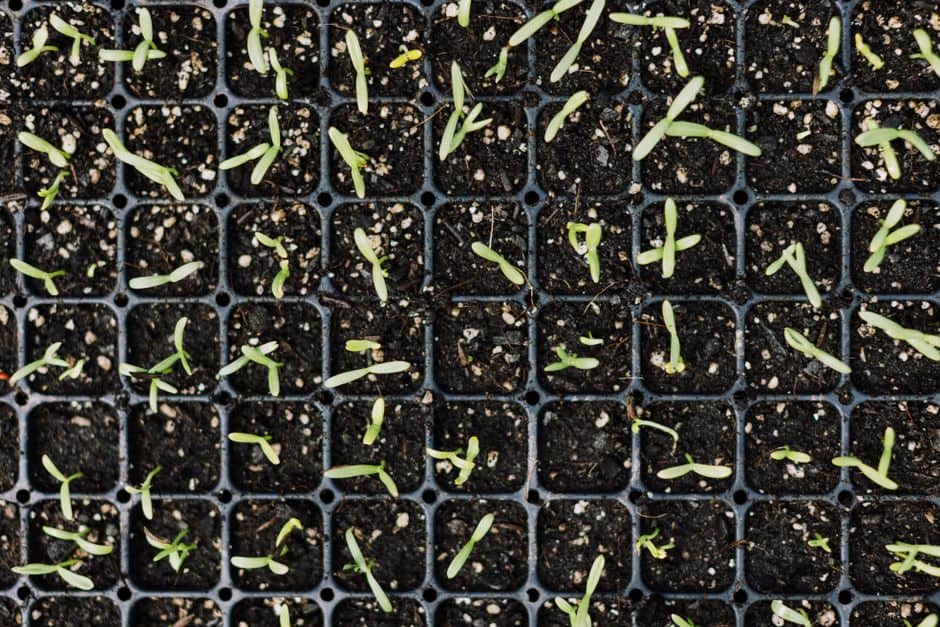
If you’ve ever started seeds indoors and ended up with tall, floppy, pale little plants that look like they’re desperately reaching for something, you already know the frustration. Learning how to fix leggy seedlings that are stretching toward the light is one of those skills every gardener needs, whether you’re a total beginner or you’ve been growing things for years. I’ve been there so many times, staring at my sad little tomato seedlings wondering what went wrong. “how to Fix Leggy Seedlings That Are Stretching Toward the Light” is a popular choice for gardeners.
The good news is that leggy seedlings are almost always fixable, and they’re even easier to prevent once you understand what’s causing the problem. Let’s dig in!
Why Your Seedlings Are Stretching Toward the Light in the First Place
When seedlings stretch out and get tall and spindly, it’s basically their way of saying “I need more light!” Plants naturally grow toward their light source, and when that light is too dim or too far away, they put all their energy into growing taller to reach it. The stems get long and weak, the leaves stay small, and the whole plant looks a little sad and pale.
This happens a lot with seedlings grown on windowsills. Even a bright south-facing window usually doesn’t give seedlings the intensity they need, especially during winter or early spring when days are shorter. I used to think my kitchen window was plenty, but my tomatoes and peppers always ended up leaning like tiny little towers of Pisa.
In Florida, we’re lucky to have lots of sunshine year-round, but even here, a window can fall short. Glass filters out some of the light intensity, and if your seedlings are a few feet back from the window, they’re not getting nearly as much as you’d think. Understanding this is the first step to knowing how to fix leggy seedlings that are stretching toward the light.
How to Fix Leggy Seedlings That Are Stretching Toward the Light Right Now
Also read: Starting Cool-season Vegetables Indoors in January for Early Spring Harvests
Okay, so your seedlings are already leggy. Don’t panic! Here’s what you can do right now to help them out.
The fastest fix is to add a grow light. You don’t need anything fancy or expensive. A simple LED grow light positioned just 2 to 4 inches above your seedlings makes a huge difference. I picked up a basic one online for under $30 and it completely changed my seed starting game. Keep it on for about 14 to 16 hours a day, and your seedlings will start looking stronger within a week or two.
If your seedlings are really stretched out, you can also bury the stem deeper when you pot them up. This works especially well for tomatoes, which can actually grow roots along their buried stems. Gently plant them deeper so that only the top few leaves are showing above the soil. It’s a great trick that I use every single season. UF/IFAS Extension has great tomato growing resources if you want to learn more about tomato care in Florida specifically.
For seedlings you can’t bury deeper (like peppers or herbs), try gently brushing your hand over the tops of the plants a few times a day. It sounds silly, but this simulates wind and actually helps the stems get stronger. I learned this tip years ago and it really does work!
Preventing Leggy Seedlings That Are Stretching Toward the Light Next Time
Prevention is honestly so much easier than fixing the problem after it happens. The number one thing you can do is start with good lighting from day one.
If you’re starting seeds indoors, set up your grow light before you even plant your seeds. Position it close to the soil surface, then raise it gradually as the seedlings grow. Most seedlings do best with the light source just 2 to 4 inches above them. Keeping the light on a timer makes this so much easier because you don’t have to remember to turn it on and off every day.
You should also make sure you’re not starting your seeds too early. I know it’s tempting to get a jump on the season, especially here in Florida where we’re eager to get things in the ground, but seedlings that sit indoors for too long before transplanting are way more likely to get leggy. Check your seed packets for the recommended time to start before your last frost date. The Old Farmer’s Almanac has a handy frost date tool to help you figure out your timing.
Rotating your seedling trays every day or two also helps a lot if you’re growing near a window. This way, all sides of the plant get equal light exposure and the seedlings grow more evenly instead of leaning hard in one direction.
Keeping Your Seedlings Strong After You’ve Fixed the Problem
Once your seedlings are looking healthier, you want to keep them that way until it’s time to move them outside. This is where a little extra care really pays off.
Start hardening off your seedlings a week or two before transplanting. This just means gradually introducing them to outdoor conditions. Set them outside in a shady spot for a couple of hours the first day, then slowly increase the time and sun exposure over the next week. Florida sun is intense, and even strong seedlings can get sunburned if you put them outside too fast. I learned that the hard way with my first batch of basil!
Water consistently but don’t overdo it. Seedlings in small cells or pots dry out quickly, but soggy soil can cause root rot and weak growth. I check mine daily by pressing my finger into the soil, and I water when the top inch feels dry. It’s a simple habit that makes a big difference.
Feed your seedlings with a diluted liquid fertilizer once they have their first set of true leaves. A half-strength dose of a balanced fertilizer works great. Strong, well-fed seedlings are so much more likely to thrive when they hit the garden.
Once you know how to fix leggy seedlings that are stretching toward the light, you’ll feel so much more confident about starting seeds. It’s one of those things that seems mysterious at first but makes total sense once you understand what the plant actually needs.
Don’t get discouraged if your first few batches aren’t perfect. Mine certainly weren’t! Every season I learn something new, and that’s honestly the best part of gardening. You’ve totally got this!
