

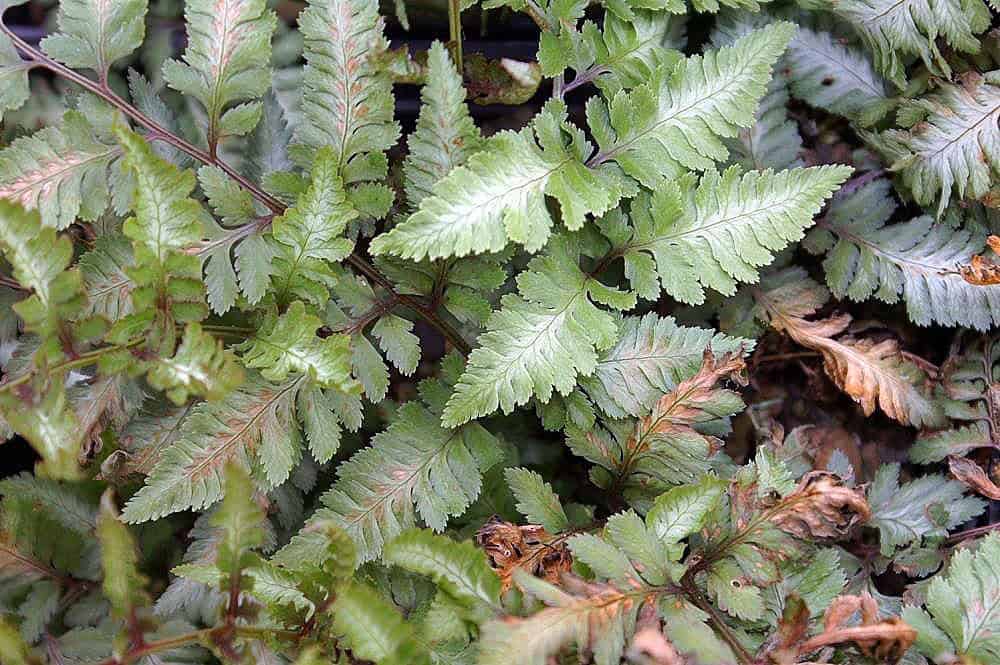
Growing Japanese Painted Fern in Deep Shade: Complete Care Guide is something I get asked about all the time, and for good reason! These gorgeous ferns are absolute showstoppers with their silvery-blue fronds and burgundy stems. They’re like living artwork that actually prefers the shadiest spots in your garden. Growing Japanese Painted Fern in Deep Shade: Complete Care Guide is a popular choice for gardeners.
I fell in love with Japanese painted ferns about five years ago when I was struggling to find something beautiful for the deep shade under my oak tree. Most plants either looked sad or died completely in that spot. Then I discovered these beauties, and wow, they transformed that dark corner into my favorite part of the garden!
Why Japanese Painted Ferns Love Deep Shade
Here’s what makes growing Japanese painted fern in deep shade so perfect – they actually evolved in the understory of Asian forests. In their natural habitat, they’re used to getting filtered light through thick tree canopies. Direct sunlight can actually burn their delicate fronds and fade that gorgeous silver coloring we all love.
I learned this the hard way when I first tried growing one in morning sun. The poor thing looked bleached and crispy within a week! Now I know that the deeper the shade, the happier these ferns are. They’ll tolerate some dappled morning light, but they really shine in areas that get less than two hours of direct sun per day.
In Florida’s intense heat, this shade preference is even more important. Our summer sun can be brutal, so these ferns are perfect for those problem areas where nothing else wants to grow. I’ve had great success placing them under covered patios, on the north side of buildings, and beneath large shrubs.
The silvery coloration actually becomes more pronounced in deeper shade. It’s like the plant is trying to capture every bit of available light with those reflective surfaces. Pretty amazing how nature works!
Essential Care Requirements for Japanese Painted Fern Success
For more gardening tips, check out: Monstera Deliciosa Care: Growing Your Swiss Cheese Plant Like a Pro
Getting the soil right is probably the most important part of growing Japanese painted fern in deep shade successfully. These plants need consistently moist but well-draining soil that’s rich in organic matter. I always mix in plenty of compost or leaf mold before planting.
The soil should feel like a wrung-out sponge – moist but not soggy. In Florida’s sandy soil, I add extra organic matter to help retain moisture without creating waterlogged conditions. Peat moss, compost, and shredded leaves work wonderfully for this.
Watering is pretty straightforward once you get the hang of it. I check the soil with my finger about an inch down, and if it feels dry, it’s time to water. During our hot summers, this might be every other day, but in cooler months, once or twice a week is usually enough.
Temperature-wise, Japanese painted ferns are surprisingly adaptable. They’re hardy in zones 4-8, which means they can handle some cold but struggle in extreme heat. Here in Florida, I grow them as annuals or keep them in containers that I can move to the coolest spots during summer.
Planting and Growing Japanese Painted Fern in Deep Shade
When I plant Japanese painted ferns, I always choose the shadiest spot available. Under large trees, beside north-facing walls, or in woodland gardens are all perfect locations. The key is finding a spot that stays cool and moist throughout the day.
I like to plant them in spring after the last frost, though here in Florida, fall planting often works better because our summers are so intense. The plants have time to establish before facing the heat. Dig a hole about twice as wide as the root ball but only as deep as the container.
University extension guides recommend spacing them about 18-24 inches apart since they spread slowly through underground rhizomes. I’ve found this gives them room to fill in naturally without crowding each other.
Mulching is absolutely essential for success. I use a 2-3 inch layer of organic mulch like shredded leaves or bark chips. This keeps the soil cool and moist while slowly breaking down to feed the plants. Just keep the mulch a few inches away from the crown to prevent rot.
Common Problems and Solutions
The biggest mistake I see people make is overwatering, especially in containers. Even though these ferns like moisture, sitting water will kill them quickly. Make sure your pots have drainage holes and use a well-draining potting mix.
Brown or crispy frond tips usually mean the air is too dry or the plant is getting too much sun. In Florida’s low humidity, I sometimes mist around the plants (not directly on the leaves) to increase humidity. Moving them to a shadier location often solves sun-related problems.
Slug and snail damage can be an issue, especially in our humid climate. I’ve found that keeping the area clean of debris and using organic slug bait when needed works well. Organic gardening methods are always my first choice for pest control.
If the fronds start looking ratty by midsummer, don’t panic! I just cut them back to about 2 inches from the ground, keep watering, and new growth usually appears within a few weeks. This is especially common in hot climates like ours.
Growing Japanese painted fern in deep shade has been one of my most rewarding gardening experiences. These plants prove that you can have stunning beauty even in the darkest corners of your garden. With the right care and placement, you’ll have gorgeous silvery fronds that brighten up any shady spot.
Don’t be discouraged if your first attempt doesn’t go perfectly – I’ve killed my share of plants while learning! The key is starting with good soil, finding the right shady location, and keeping the moisture levels consistent. Once you get the hang of it, you’ll want to add these beauties everywhere!
