

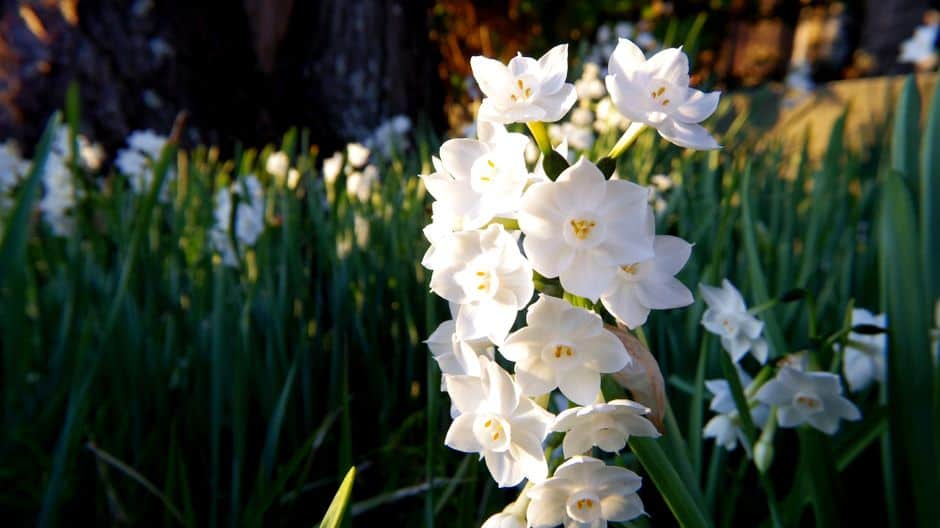
Forcing Paperwhite Narcissus Bulbs for Winter Blooms Indoors is one of my favorite ways to bring a little cheer into the house during the cooler months. Even here in Florida, where our winters feel more like a gentle autumn, I love having something fresh and fragrant blooming on my kitchen counter. These bulbs practically do all the work for you. Forcing Paperwhite Narcissus Bulbs for Winter Blooms Indoors is a popular choice for gardeners.
The best part is how fast they go. You can go from a bare bulb to a cluster of delicate white flowers in about four to six weeks. If you’ve ever felt like gardening takes too much patience, paperwhites are the perfect cure!
Why Forcing Paperwhite Narcissus Bulbs Works So Well in Florida
Here’s the thing most northern gardeners don’t have to think about. Many spring bulbs, like tulips and hyacinths, need weeks of cold storage before they’ll bloom. Paperwhites skip that step completely, which makes them a dream for those of us in warm climates.
You can plant them right out of the bag without any chilling time. I’ve never once had to stash mine in the fridge. That makes them one of the easiest bulbs for Florida gardeners, especially in zones 8 through 11.
Paperwhites are a type of daffodil, and they’re sometimes called tazetta narcissus. If you want to read more about the plant family, the Narcissus page on Wikipedia is a fun place to start. Our warm weather means they can also grow outdoors in parts of Florida, but I still love forcing them indoors for a controlled, cozy display.
I usually buy my bulbs in October or November, and I plant a new batch every two weeks. That way I get blooms all winter long instead of one big burst. It’s a little trick that keeps the house smelling wonderful through the holidays.
Easy Steps for Forcing Paperwhite Narcissus Bulbs Indoors
For more gardening tips, check out: How to Grow Allium Chinense
You only need a few simple things to get started. Grab a shallow container with no drainage holes, like a glass bowl or a pretty ceramic dish. Then pick up some pebbles, marbles, or decorative stones, plus your bulbs.
Start by adding about two inches of pebbles to the bottom of your dish. Set the bulbs on top with the pointy end facing up, and squeeze them in snugly. Don’t worry about crowding them because they actually like being close together and it helps support the stems later.
Next, tuck more pebbles around the bulbs to hold them steady. Leave the top third of each bulb exposed, since burying them completely can lead to rot. Then pour in water until it reaches just below the bottom of the bulbs.
That last part matters a lot. The roots should touch the water, but the bulb itself shouldn’t sit in it. I learned this the hard way my first year, when I filled the bowl too high and ended up with a mushy, smelly mess.
You can also plant paperwhites in potting soil if you prefer. Use a pot with drainage holes and keep the soil lightly moist. I like the pebble method for gift displays, but soil works great too and the bulbs can sometimes be planted outside afterward in warm zones.
Light, Water, and Care for Your Winter Blooms Indoors
Once your bulbs are planted, put them in a cool spot with bright, indirect light. Roots will grow in a week or two, and you’ll see little green shoots poking up soon after. This is the stage where I get a little too excited and check on them every single day!
Keep the water level steady by topping it off whenever it drops. I change the water every week or so to keep it fresh, and I just carefully pour out the old and add new. Cool room temperatures between 60 and 65 degrees help the plants stay compact and sturdy.
Here’s one thing worth knowing about the cooler part. Our Florida homes tend to run warm, so I often set my paperwhites near a window or in a spot away from heating vents. Warmer rooms make the stems grow tall and floppy, and nobody wants that.
If you want a deeper look at forcing bulbs and general bulb care, the Clemson Cooperative Extension has some helpful guidance. It’s a great resource for the science behind why bulbs behave the way they do. I always like checking trusted extension sites when I want to double-check my own habits.
Fixing Floppy Stems and Other Common Problems
Let’s talk about the number one complaint with paperwhites, which is tall, flopping stems. It happens when the plants stretch for light or sit in a room that’s too warm. Sometimes the flowers get so heavy that the whole thing topples over.
There’s a fun trick for this that I started using a few years ago. Once the shoots are about two inches tall, pour out the water and replace it with a mix of one part rubbing alcohol to seven parts water. The leaves and stems stay shorter, but the blooms are still full size.
If you want to try it, check out the Cornell University research that popularized the method. It really works, and it saved my display last winter. Just don’t use the alcohol mix until the shoots are up, and never use sugary drinks or other liquors.
Another common issue is the scent, which some people find strong. I think it’s lovely, but it’s definitely powerful in a small room. If you have pets, keep in mind that narcissus bulbs are toxic if chewed, so keep them out of reach of curious noses.
Finally, remember that paperwhites are mostly a one-time show. After blooming, the bulbs use up most of their energy, so I toss mine or plant them outside in a spot where they might come back. Don’t feel bad about it, because they’ve already given you so much joy for just a little effort.
Forcing paperwhite narcissus bulbs for winter blooms indoors is such a rewarding project, and it’s perfect if you’re new to gardening. You get fast results, wonderful fragrance, and a pretty display that makes the house feel festive. Even if you make a mistake or two, the bulbs are pretty forgiving.
So grab a bag of bulbs, find a pretty bowl, and give it a try this season. I’d love to hear how yours turn out, so leave me a comment and tell me about your first bloom!
