

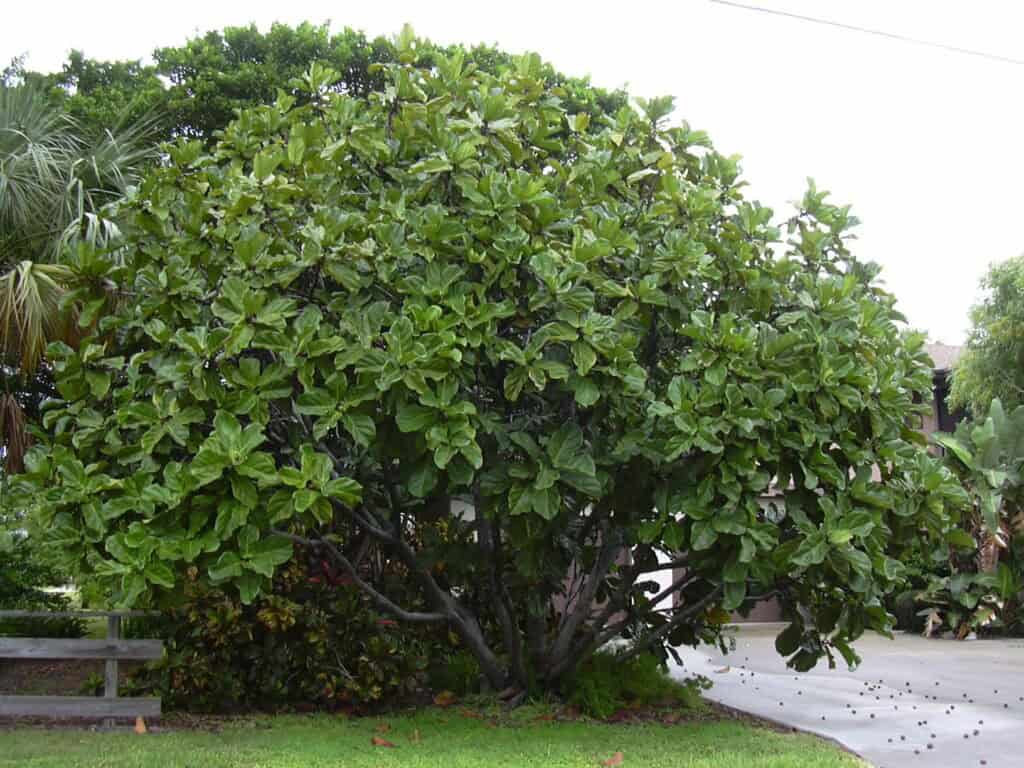
Fiddle leaf fig care is one of those topics that comes up constantly in my gardening community, and honestly, I get it. These plants are stunning with their big, glossy, violin-shaped leaves, and everyone wants one in their home. I’ve had my fiddle leaf fig for several years now, and I’ll be the first to admit it took me a little while to figure out what this plant actually needs.
The good news is that once you understand how a fiddle leaf fig thinks (yes, I talk to my plants!), it’s really not that complicated. Let me share everything I’ve learned so you can skip the trial and error I went through.
Understanding Fiddle Leaf Fig Care: Light and Location
Getting the light right is honestly the biggest key to keeping your fiddle leaf fig happy. These plants want bright, indirect light for most of the day. I put mine near a large east-facing window, and it has been thriving ever since I made that switch.
Direct harsh sunlight can actually scorch those beautiful big leaves, so you don’t want to plop it right up against a south-facing window with no filter. A sheer curtain works great if that’s your only option. Think bright room, not blazing afternoon sun.
Here in Florida, our sun is intense almost year-round, so I’m extra careful about this. I keep my fiddle leaf fig indoors where I can control the light exposure. If you’re in a shadier spot in the house and notice the leaves getting dull or the plant leaning dramatically toward a window, that’s your sign it needs more light.
One thing I learned the hard way is that fiddle leaf figs hate being moved around. Once you find a good spot, leave it there. I made the mistake of rotating mine every few weeks and the poor thing dropped three leaves in protest. Pick a spot with good bright light and let it settle in.
Watering Tips for Fiddle Leaf Fig Care
For more gardening tips, check out: How to Grow Japanese Painted Fern (athyrium Niponicum) in Shade Gardens
Watering is where most people go wrong with this plant, and I totally understand why. Fiddle leaf figs are picky about moisture, and both too much and too little water will cause problems. The trick is finding that sweet middle ground.
I use the finger test every single time before I water. Stick your finger about two inches into the soil, and if it feels dry at that depth, it’s time to water. If it still feels damp, wait a few more days. Simple as that.
When you do water, water thoroughly until it drains out the bottom of the pot. Then don’t water again until that top two inches dries out. In Florida’s heat and humidity, my watering schedule changes with the seasons. During our hot summers, I’m watering about once a week. In the cooler months, I stretch it to every ten days or so.
Root rot is the number one killer of fiddle leaf figs, and it comes from sitting in soggy soil. Make sure your pot has good drainage holes and never let the plant sit in a saucer full of water. I learned that lesson the hard way when I lost my first one to root rot. Now I always check the drainage situation before I even bring a plant home.
According to UF/IFAS Gardening Solutions, proper drainage is one of the most important factors for tropical houseplants grown in Florida’s climate, and I couldn’t agree more.
Soil, Fertilizing, and Fiddle Leaf Fig Care Basics
A good potting mix makes a huge difference for your fiddle leaf fig. You want something well-draining but still rich enough to hold some moisture and nutrients. I use a regular quality potting mix and mix in a little perlite to help with drainage. That combination has worked really well for me.
For fertilizing, I feed my plant during the growing season, which is spring through summer here in Florida. I use a liquid fertilizer with a higher nitrogen content about once a month. Nitrogen is what helps push out all that lush green leaf growth, which is exactly what we want.
Don’t fertilize in the fall and winter when the plant naturally slows down. Pushing fertilizer on a resting plant can actually cause more harm than good. I made that mistake once and ended up with some sad, burned leaf tips.
Repotting is something you’ll need to do every year or two when the plant gets rootbound. You’ll know it’s time when you see roots poking out of the drainage holes or the plant seems to dry out really fast after watering. Go up just one pot size at a time, because too much extra soil holds moisture and can cause root problems.
Troubleshooting Common Problems and Keeping Your Plant Thriving
Brown spots on the leaves are the most common complaint I hear, and they can mean a few different things. Brown spots in the middle of leaves usually point to bacterial infection, often caused by overwatering. Brown, crispy edges usually mean the air is too dry or the plant got too much direct sun.
Here in Florida we have naturally higher humidity, which fiddle leaf figs actually love. They prefer humidity levels around 30 to 65 percent. If you’re in a drier climate or running the AC constantly, a small humidifier near the plant can help a lot.
Pests are another thing to watch for. Spider mites and scale insects are the ones I see most often on my fiddle leaf fig. I check the undersides of leaves regularly and wipe them down with a damp cloth every few weeks. This keeps the leaves clean and makes it easy to spot any unwanted visitors early.
If you notice leaves dropping suddenly, don’t panic right away. Fiddle leaf figs drop leaves when they’re stressed, and stress can come from a move, a draft, a change in temperature, or inconsistent watering. Ficus lyrata, the official name for this plant, is known for being sensitive to environmental changes. Once you stabilize the conditions, the plant usually settles down and stops dropping.
Give your plant time to adjust whenever anything changes. Patience is honestly the most underrated skill in plant care!
Fiddle leaf fig care does take a little attention and consistency, but once you get into a rhythm with your plant, it’s really rewarding. There’s nothing quite like watching a new leaf unfurl on a plant you’ve been nurturing. It’s one of my favorite things in the whole gardening world.
If you’re just starting out, don’t get discouraged by a few dropped leaves or brown spots along the way. Every plant parent goes through a learning curve. Stick with it, keep these tips in mind, and your fiddle leaf fig will reward you with gorgeous growth you’ll be proud of!
