

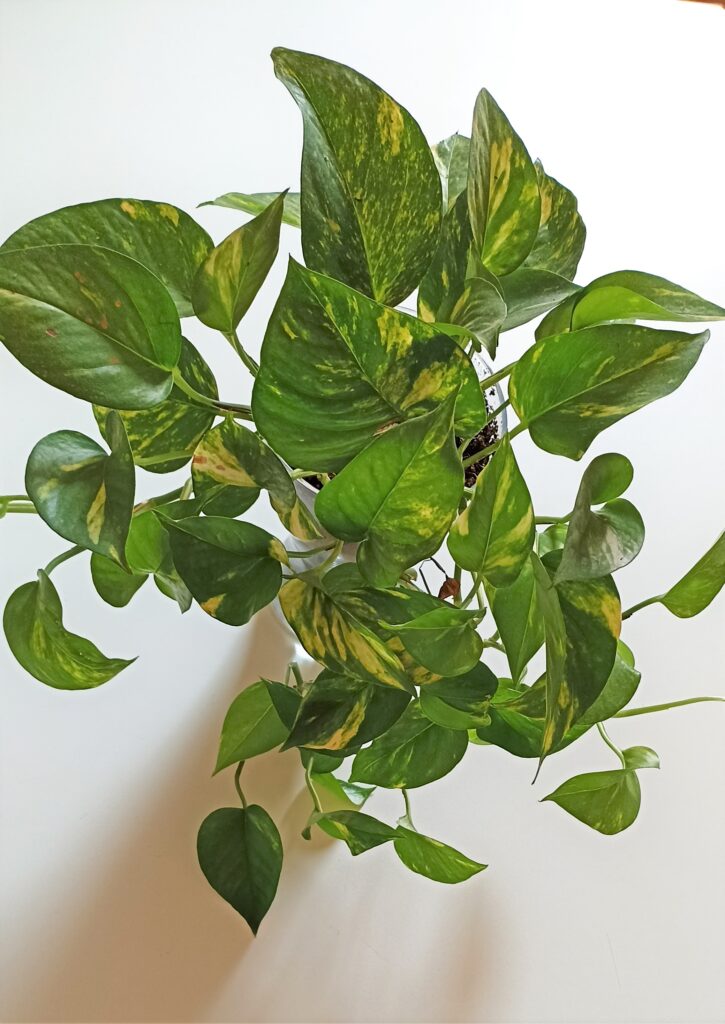
Caring for pothos plants is one of the most rewarding experiences for any plant parent, especially here in Florida where our warm, humid climate makes them absolutely thrive. I’ve been growing these beautiful trailing vines for years, and they never fail to impress me with their resilience and stunning heart-shaped leaves. Whether you’re a complete beginner or just want to brush up on your skills, pothos are incredibly forgiving plants that will reward you with lush, cascading growth.
What I love most about pothos is how quickly they show results. You’ll see new leaves unfurling regularly, and those trailing vines can grow over a foot each month when they’re happy! They’re also fantastic air purifiers, which is a nice bonus for our sometimes stuffy Florida homes during hurricane season when we’re all sealed up indoors.
Getting Started with Pothos Plant Care
When I first started caring for pothos plants, I was amazed at how simple it really is. These plants, also called devil’s ivy, earned their reputation as nearly indestructible houseplants for good reason. They adapt to almost any lighting condition, though they definitely have preferences that will help them look their absolute best.
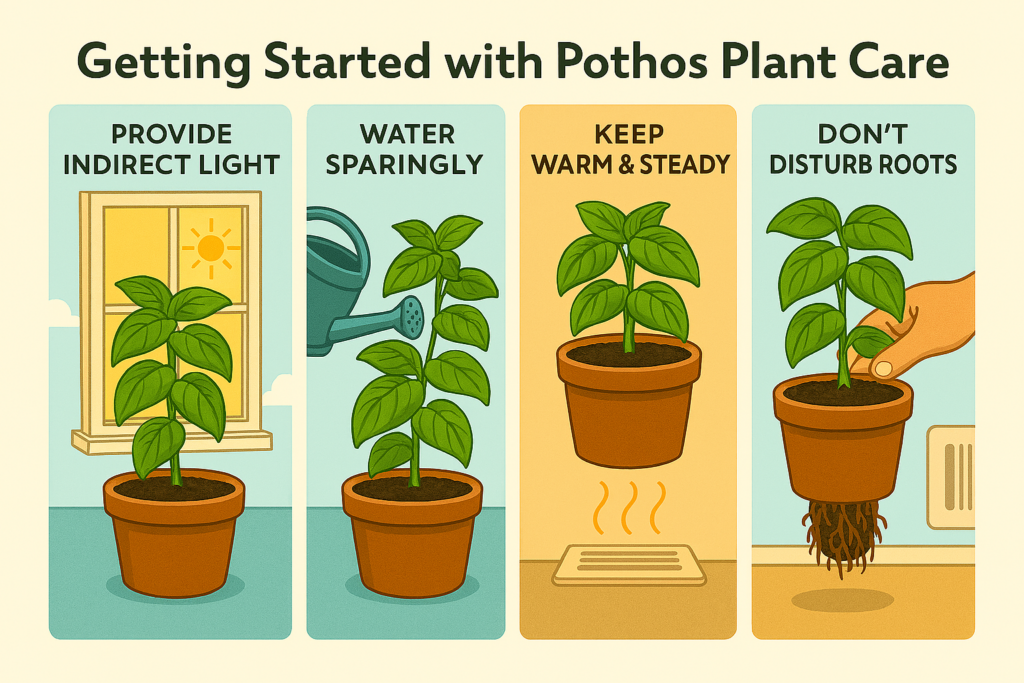
The key to success is understanding that pothos originally come from tropical forests where they climb up trees. This means they love bright, indirect light but can tolerate lower light conditions too. I keep mine near east-facing windows where they get gentle morning sun, and they’re absolutely gorgeous with those glossy, variegated leaves.
Here in Florida, I’ve noticed my pothos grow much faster than friends up north report. Our year-round warmth and natural humidity create perfect conditions. During summer, I sometimes move them slightly away from windows because our intense afternoon sun can actually scorch the leaves.
One thing I learned the hard way is that pothos don’t like to be moved around too much once they’re settled. Pick a good spot and let them get comfortable there. They’ll reward your patience with steady, consistent growth that just keeps going and going.
Watering and Humidity for Healthy Pothos Care
For more gardening tips, check out: How to Propagate Snake Plants From Leaf Cuttings
The biggest mistake I see people make when caring for pothos plants is overwatering. These plants much prefer to dry out a bit between waterings rather than sitting in constantly moist soil. I use the finger test – stick your finger about two inches down into the soil, and if it feels dry, it’s time to water.
During Florida’s hot summers, I typically water my pothos every 5-7 days. In winter when growth slows down and humidity drops slightly, I stretch it to every 10-14 days. The key is watching your specific plant rather than following a rigid schedule, because factors like pot size, soil type, and air conditioning all affect how quickly the soil dries out.
Our natural Florida humidity is actually perfect for pothos, usually sitting right in that sweet spot of 50-70% that these plants love. If you’re running AC constantly and notice the leaf tips browning, try grouping your plants together or placing them on pebble trays with water to boost local humidity.
When you do water, give them a thorough drink until water runs out the drainage holes. I always use room temperature water because cold water can shock the roots. University of Florida extension experts recommend this approach for most tropical houseplants, and it works beautifully for pothos.
Light Requirements and Positioning for Pothos Plants
Understanding light needs is crucial when caring for pothos plants, and I’ve experimented with different locations throughout my home to see what works best. While pothos can survive in low light, they truly shine in bright, indirect light where their variegation becomes more pronounced and growth speeds up dramatically.
I’ve found that rooms with large windows but no direct sun exposure are ideal. My bathroom pothos absolutely love the bright light from a frosted window, plus they get extra humidity from showers. Kitchen windows work great too, as long as you keep them back from the glass where Florida’s intense sun might hit them directly.
The cool thing about pothos is how they tell you what they need through their leaves. In too-low light, new leaves will be smaller and the variegation will fade to mostly green. Too much direct sun will cause yellow or brown patches on the leaves. When the light is just right, you’ll see those beautiful cream and green patterns really pop.
During Florida’s winter months when the sun angle changes, I sometimes need to move plants closer to windows. Our “winter” light is still pretty intense compared to northern states, but the shorter days mean less overall light exposure. Pay attention to how your plants respond and adjust accordingly.
Common Problems and Solutions
Even though pothos are incredibly easy-going, I’ve encountered a few issues over the years that are worth sharing. The most common problem I see is yellowing leaves, which usually means you’re watering too frequently. If you notice yellow leaves appearing regularly, especially from the bottom up, cut back on watering and make sure your pot has good drainage.
Brown, crispy leaf tips often indicate low humidity or fluoride in your tap water. Here in Florida, our water can be pretty hard, so I sometimes use filtered water for my most sensitive plants. You can also let tap water sit out overnight before using it, which helps chlorine evaporate.
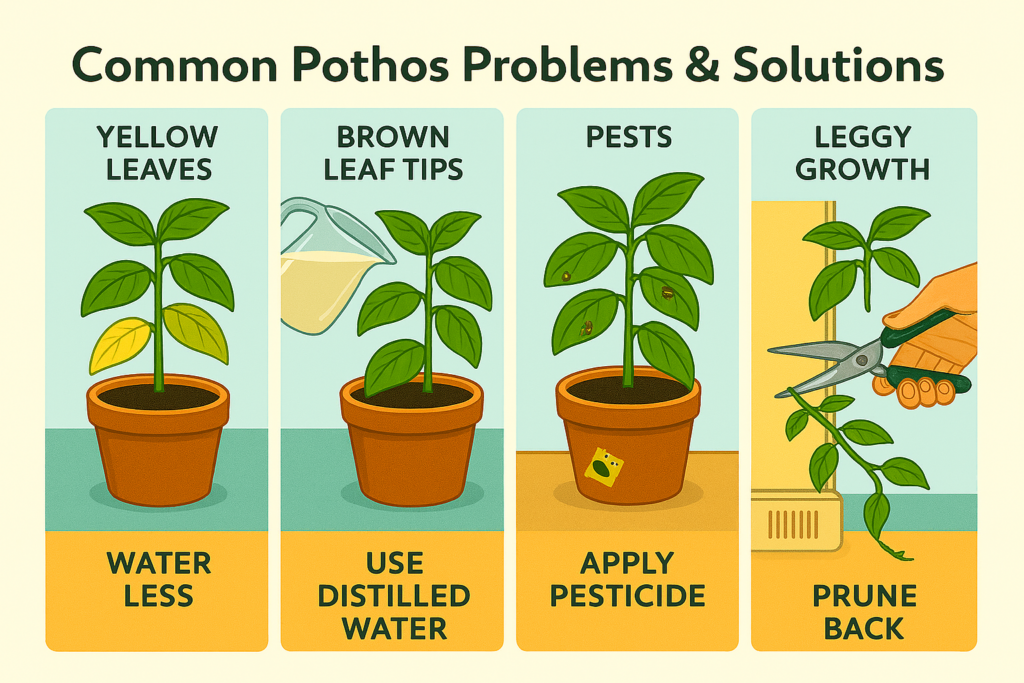
Pest issues are rare with pothos, but I occasionally spot spider mites during our dry winter months. A quick shower in the bathroom usually takes care of minor pest problems, and the plants love the humidity boost too. For persistent issues, I use insecticidal soap spray, which is gentle but effective.
If your pothos starts looking leggy with long spaces between leaves, it’s probably not getting enough light. These plants will stretch toward any available light source, so gradually move it to a brighter location. You can also trim back long vines to encourage bushier growth from the base.
Caring for pothos plants really is as simple as it sounds, and they’re perfect for building confidence as a plant parent. I still get excited every time I see new leaves unfurling on my established plants, and the satisfaction of propagating cuttings to share with friends never gets old.
Start with one pothos, learn its rhythm, and I guarantee you’ll want more. They’re honestly one of the most rewarding plants you can grow, especially here in our beautiful Florida climate where they feel right at home!
